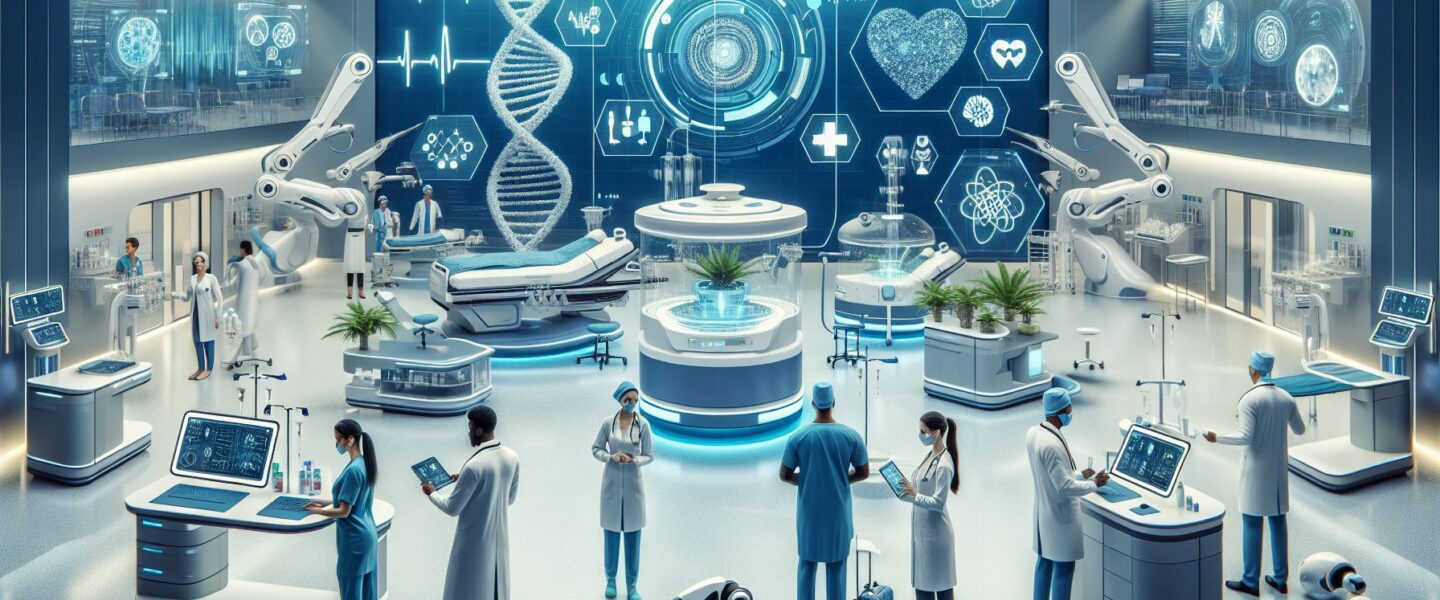
The medical industry is constantly evolving, driven by relentless research and technological advancements. These advancements have led to the development of innovative medical products that are revolutionizing healthcare. From cutting-edge medical devices to life-saving drugs, these products have transformed the way diseases are treated, diagnosed, and managed.
Introduction: A New Era of Medical Products
In recent years, medical products have soared to new heights, thanks to breakthrough technologies such as artificial intelligence, nanotechnology, and regenerative medicine. These advancements have not only improved patient outcomes but have also enhanced the efficiency and precision of healthcare delivery.
Medical Devices: Pioneering Precision
One of the most significant areas of innovation in the medical industry is medical devices. From state-of-the-art imaging machines to robotic surgical systems, these devices are transforming healthcare practices. For instance, the introduction of minimally invasive surgery has dramatically reduced patient trauma, shortened recovery time, and improved surgical precision.
Furthermore, wearable medical devices are empowering patients to actively participate in their own health management. These devices, often worn as bracelets or smartwatches, can continuously monitor vital signs, such as heart rate, blood pressure, and oxygen levels. Real-time data provided by these devices enable healthcare professionals to make informed decisions and intervene promptly, leading to better patient outcomes.
Life-Saving Drugs: Revolutionizing Treatment
The development of novel drugs has significantly revolutionized the treatment of various diseases. With extensive research and clinical trials, pharmaceutical companies have been able to discover innovative therapies that target specific diseases with remarkable precision.
Medical products such as targeted therapies and immunotherapies have revolutionized cancer treatment. These drugs work by precisely identifying and attacking cancer cells while sparing healthy cells, resulting in improved survival rates and fewer side effects.
Moreover, advancements in gene therapy have opened new doors for treating genetic disorders. Through the use of modified viruses or gene-editing technologies like CRISPR-Cas9, scientists can correct faulty genes and potentially cure inherited diseases.
Conclusion: Transforming Healthcare Landscape
The medical products and industry are driving a paradigm shift in healthcare. These groundbreaking advancements are transforming the way diseases are diagnosed, treated, and managed. With the rapid pace of innovation and collaboration between engineers, scientists, and healthcare professionals, we can expect even more remarkable breakthroughs in the future.
As we witness the transformation of medical products and their impact on patient care, it becomes evident that ongoing support for medical research and technological advancement is crucial. Investing in the development of medical devices and drugs will not only improve patient outcomes but also pave the way towards a healthier and more vibrant future for all.
So, let us embrace this new era of medical products and industry, where innovative solutions can help tackle the most challenging healthcare issues, ultimately enhancing the quality of life for patients worldwide.