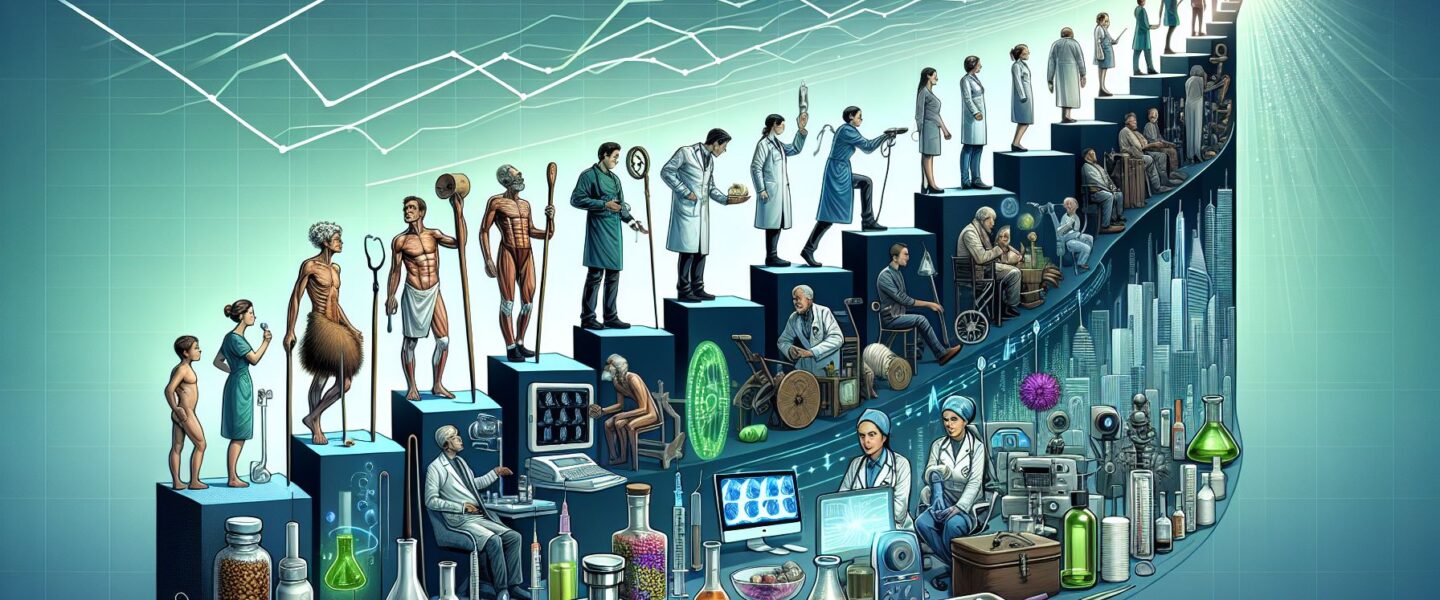
The medical field has undergone significant advancements over the years, revolutionizing the way we diagnose, treat, and prevent diseases. Central to these advancements are the innovative medical products that have emerged and the thriving industry that supports their development. In this article, we will delve into the evolution and impact of medical products on the healthcare sector.
The Power of Medical Products
Medical products encompass a wide range of tools, devices, and equipment utilized by healthcare professionals to enhance patient care. From simple stethoscopes to state-of-the-art MRI machines, these products play a pivotal role in diagnosing illnesses, monitoring health, and delivering effective treatments.
The development of medical products has significantly improved patient outcomes and revolutionized medical practices. Diagnostic tests, such as blood tests and imaging techniques, have become more accurate and expeditious, aiding in early disease detection. Advanced surgical tools have made intricate procedures more accessible and less invasive, leading to faster recovery times and reduced risks for patients.
The Growing Industry
The medical product industry has experienced remarkable growth over the years, driven by technological advancements, increased healthcare spending, and a growing demand for innovative solutions. The global medical device market is expected to exceed $600 billion by 2027, highlighting the industry’s colossal economic impact.
This growth can be attributed to numerous factors, including the rise of chronic diseases, aging populations, and the need for personalized healthcare solutions. As a result, companies have ramped up their research and development efforts to meet these demands, fostering a fiercely competitive market.
Addressing Global Challenges
Medical products have played a crucial role in addressing global health challenges. For instance, portable diagnostic devices have facilitated healthcare delivery in remote areas, enabling timely disease detection and intervention. Similarly, telemedicine platforms have bridged the gap between doctors and patients, providing virtual access to medical professionals and improving healthcare accessibility.
Moreover, medical products have addressed vital issues in public health. The development of vaccines and drug delivery systems has contributed to the eradication of diseases and the control of epidemics. Additionally, innovations in prosthetic limbs and assistive devices have improved the quality of life for individuals with disabilities.
The Future of Medical Products
The future holds immense promise for medical products and the industry as a whole. With the advent of artificial intelligence, machine learning, and nanotechnology, we can expect groundbreaking advancements in diagnostic accuracy, treatment effectiveness, and patient care.
The proliferation of wearable devices will empower individuals to monitor their health in real-time, enabling early intervention and personalized preventive care. Furthermore, 3D printing technology will enhance the production of customized medical devices, reducing costs and increasing accessibility.
In conclusion, medical products have revolutionized the healthcare sector, shaping the way diseases are diagnosed, treated, and prevented. The industry’s continuous growth and technological advancements promise an exciting future, where medical products will play an even more significant role in improving patient outcomes and healthcare delivery. As we strive for a healthier world, let us embrace the transformative power of medical products and support the industry’s ongoing innovation efforts.