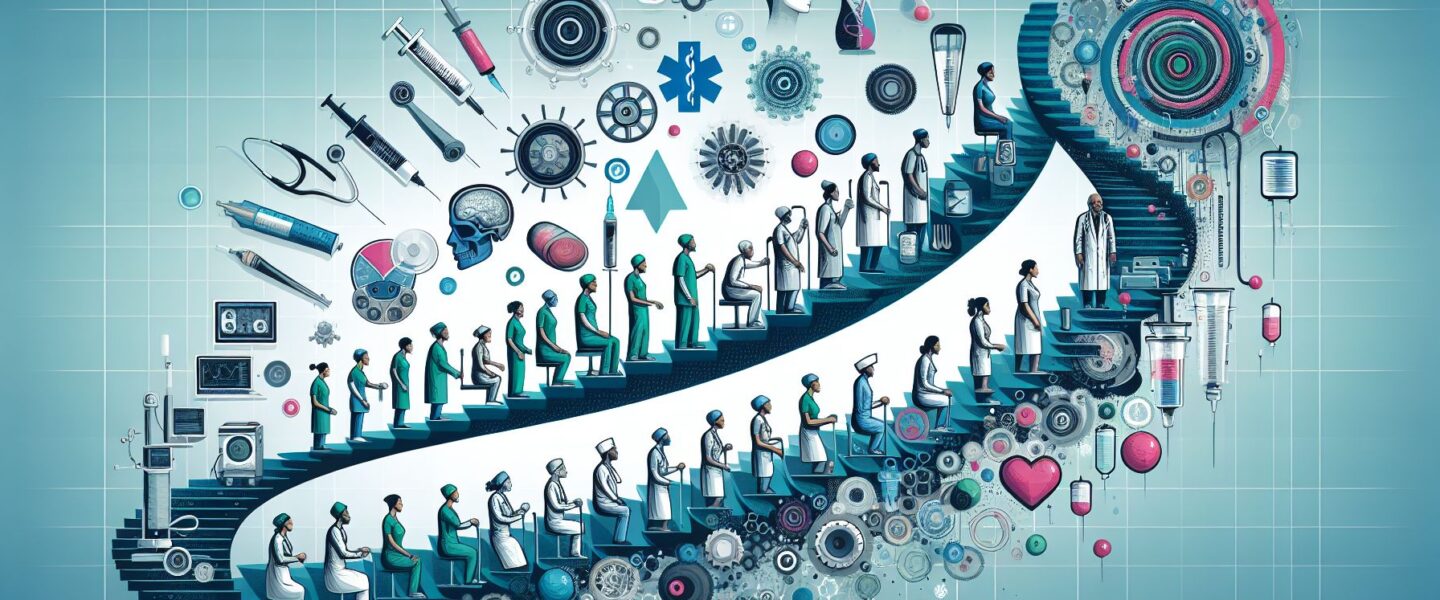
The medical industry is constantly evolving, with new technologies and products being introduced to improve patient care, increase efficiency, and reduce costs. From life-saving devices to innovative medications, the range of medical products available today is vast and diverse.
One of the key drivers of innovation in the medical industry is the growing demand for personalized medicine. Advances in genomics and other areas of research have enabled healthcare providers to tailor treatments to individual patients based on their unique genetic makeup. This has led to the development of targeted therapies for conditions such as cancer, where traditional treatments have been less effective.
In addition to personalized medicine, the medical products industry has also seen a rise in the use of digital health technologies. From wearable devices that monitor vital signs to telemedicine platforms that allow patients to consult with healthcare providers remotely, these technologies are changing the way healthcare is delivered. They not only make it easier for patients to access care but also enable providers to gather more data and make better-informed treatment decisions.
Advances in manufacturing processes have also had a significant impact on the medical products industry. 3D printing, for example, has revolutionized the production of prosthetics, implants, and other medical devices. This technology allows for the creation of complex, customized products that are more durable and less expensive than traditional manufacturing methods.
Despite these advancements, the medical products industry faces a number of challenges. Regulatory hurdles, changing reimbursement models, and increasing competition from generic products all contribute to the complexity of bringing new products to market. Additionally, the high cost of researching and developing new treatments can make it difficult for smaller companies to compete with larger, more established manufacturers.
To address these challenges, companies in the medical products industry are increasingly turning to partnerships and collaborations. By working together, companies can pool their resources and expertise to bring innovative products to market more quickly and efficiently. These partnerships not only benefit the companies involved but also have the potential to improve patient outcomes and reduce healthcare costs.
In conclusion, the medical products industry is a dynamic and rapidly evolving field that plays a crucial role in improving the quality of healthcare worldwide. From personalized medicine to digital health technologies, the industry is at the forefront of innovation, driving advancements that benefit both patients and healthcare providers. By embracing new technologies, collaborating with others, and overcoming regulatory hurdles, companies in the medical products industry can continue to make a positive impact on the health and well-being of people everywhere.