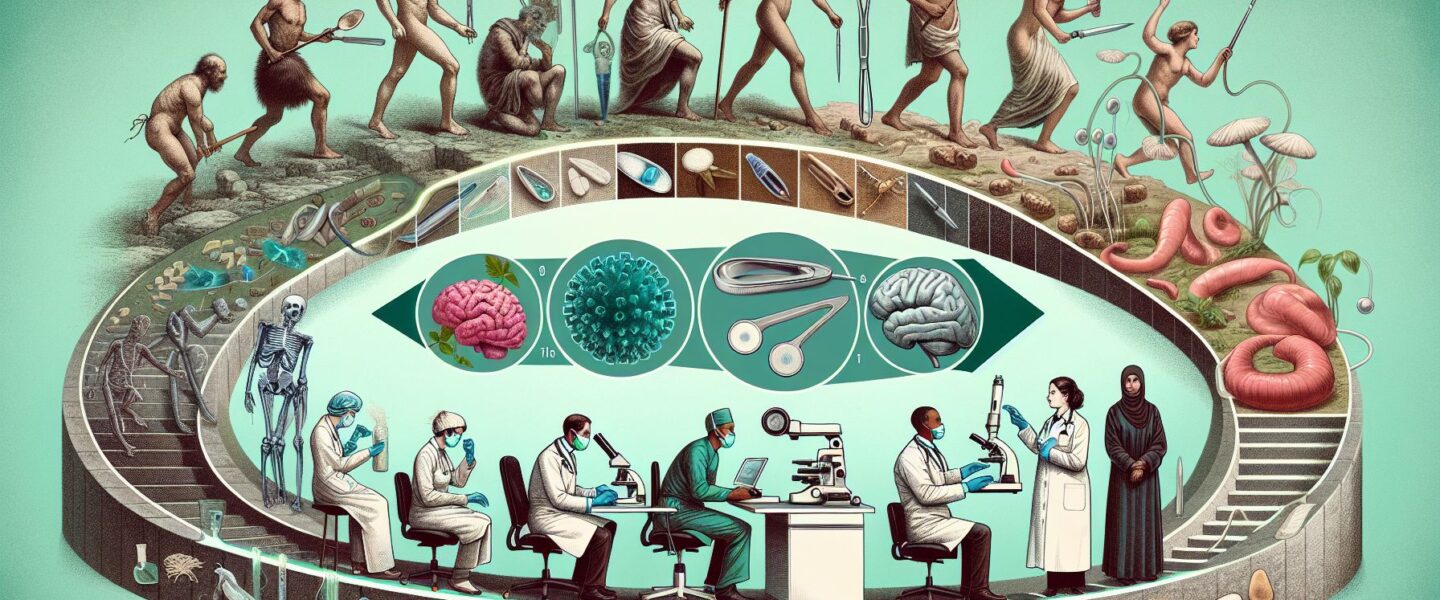
The medical industry has seen tremendous growth over the past few decades, with advancements in technology driving innovation and improving patient outcomes. Medical products, ranging from pharmaceuticals to medical devices, play a crucial role in the diagnosis, treatment, and management of various medical conditions.
One of the key drivers of growth in the medical industry is the increasing prevalence of chronic diseases such as diabetes, cardiovascular diseases, and cancer. As the global population ages and lifestyles continue to change, the demand for medical products that can effectively manage these conditions is on the rise. Pharmaceutical companies are constantly developing new drugs that target specific diseases and conditions, while medical device manufacturers are creating innovative devices that improve patient care and outcomes.
Advancements in technology have also played a significant role in the evolution of medical products and the industry as a whole. The development of precision medicine, for example, has allowed for more personalized treatment plans that take into account an individual’s genetics, lifestyle, and environment. This has led to better outcomes for patients and a more targeted approach to healthcare.
In addition to precision medicine, technologies such as artificial intelligence, robotics, and telemedicine are transforming the way healthcare is delivered. These technologies are enabling healthcare providers to diagnose and treat patients more efficiently, while also improving access to care for patients in remote or underserved areas.
The medical industry is also seeing a shift towards value-based care, where the focus is on improving patient outcomes and reducing healthcare costs. This has led to a greater emphasis on preventive care, early intervention, and patient education. Medical products are being designed with these principles in mind, with a goal of improving patient outcomes and reducing the burden on the healthcare system.
Despite the many advancements in the medical industry, there are still challenges that need to be addressed. The rising cost of healthcare, regulatory hurdles, and ethical considerations are just a few of the issues facing the industry. However, with continued innovation and collaboration between healthcare providers, industry stakeholders, and regulators, these challenges can be overcome.
Overall, the evolution of medical products and the industry as a whole has been remarkable. Advances in technology, changes in healthcare delivery, and a greater focus on patient outcomes have all contributed to a more efficient and effective healthcare system. As we look towards the future, it is clear that the medical industry will continue to evolve, bringing new and innovative products that will improve the lives of patients around the world.