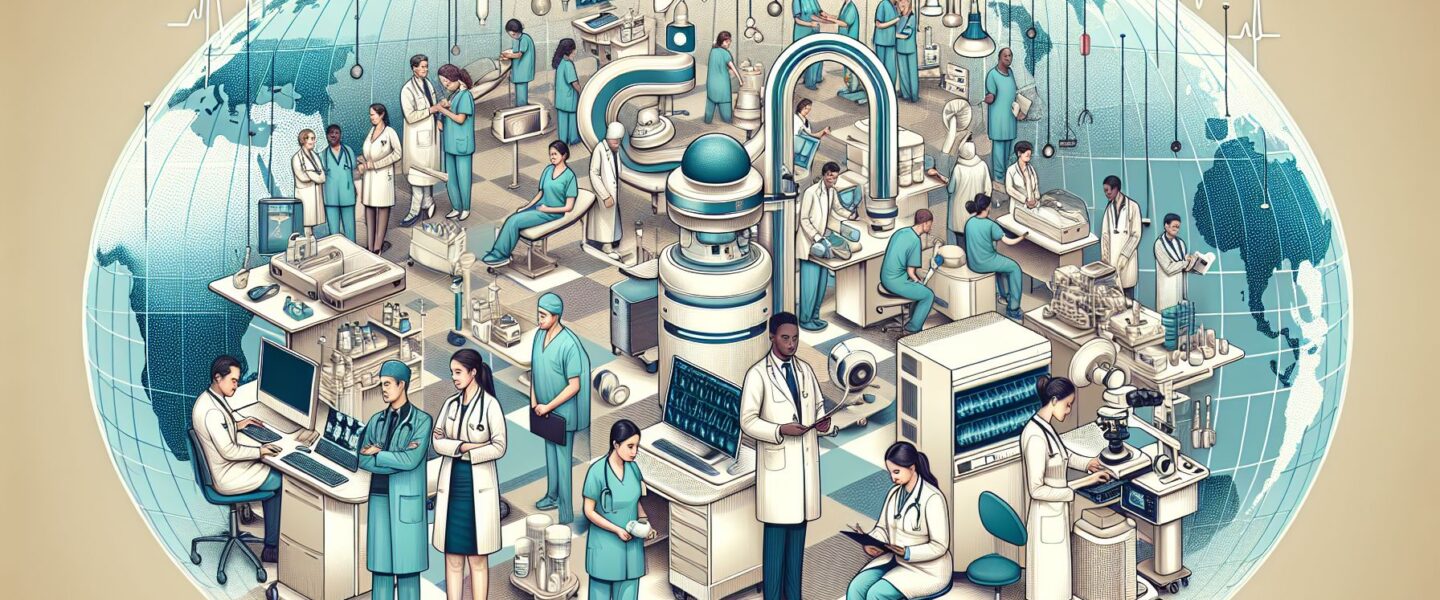
The medical products industry plays a vital role in the healthcare sector by providing essential equipment and supplies for the diagnosis, treatment, and prevention of various medical conditions. From surgical instruments and pharmaceuticals to diagnostic tests and prosthetic devices, medical products are essential for maintaining the health and well-being of patients worldwide.
One of the key aspects of the medical products industry is innovation. Advances in technology have led to the development of new and improved products that have revolutionized healthcare delivery. For example, advancements in medical imaging technology have made it possible to diagnose diseases earlier and with greater accuracy, leading to better patient outcomes. Similarly, the development of minimally invasive surgical techniques has reduced recovery times and improved patient comfort.
In addition to innovation, the medical products industry is also subject to stringent regulations to ensure the safety and efficacy of products. Regulatory bodies such as the Food and Drug Administration (FDA) in the United States and the European Medicines Agency (EMA) in Europe are responsible for evaluating and approving medical products before they can be marketed. This regulatory oversight helps to protect patients from unsafe or ineffective products and promotes trust in the healthcare system.
Furthermore, the global market for medical products continues to grow rapidly as healthcare systems around the world strive to meet the needs of aging populations and rising disease burdens. The demand for medical products is driven by factors such as increasing access to healthcare services, rising disposable incomes, and advancements in medical technology. As a result, the medical products industry is a highly competitive and dynamic field that offers numerous opportunities for growth and innovation.
However, the medical products industry also faces challenges, such as pricing pressures, regulatory hurdles, and the need to adapt to changing healthcare delivery models. Companies must navigate these challenges while continuing to develop products that meet the needs of patients and healthcare providers.
In conclusion, medical products are essential for the delivery of high-quality healthcare services. The industry plays a crucial role in improving patient outcomes, advancing medical knowledge, and driving innovation in healthcare. As technology continues to evolve and healthcare needs grow, the demand for medical products will only continue to increase, making it an exciting and rewarding field for those involved in its development and delivery.