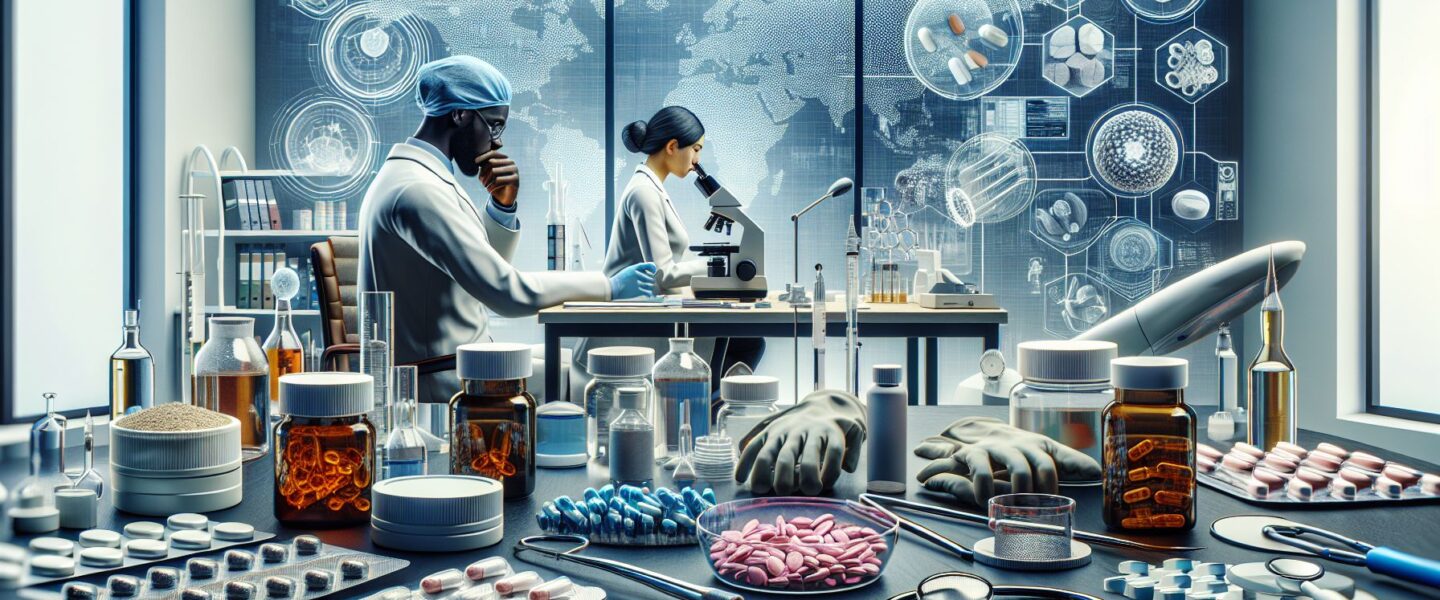
The medical industry plays a vital role in providing healthcare products and services to people all over the world. From diagnostic tools to life-saving drugs, medical products contribute to the well-being and improved quality of life for millions of individuals. In this blog post, we will explore the significance of medical products and the industry behind them.
Introduction to Medical Products
Medical products encompass a vast range of items that serve various purposes in the prevention, diagnosis, treatment, and management of diseases and medical conditions. These products can include pharmaceutical drugs, surgical instruments, diagnostic tools, medical implants, and even healthcare software and technology. Without these products, the effectiveness of modern medical practices would be greatly diminished.
Advancements in Medical Technology
Technological advancements have revolutionized the medical industry, leading to the development of innovative medical products that have significantly improved patient outcomes. From robotic surgery systems to artificial organs and prosthetics, these products have pushed the boundaries of what is possible in healthcare.
One notable advancement is the advent of telemedicine, which allows patients to receive medical consultations and treatments remotely. This has been particularly crucial during the ongoing COVID-19 pandemic, where individuals could safely receive medical advice without physically visiting a healthcare facility.
Medical Products and Patient Care
Medical products are essential in providing effective and efficient patient care. For instance, pharmaceutical drugs play a crucial role in treating and managing diseases. From antibiotics to antivirals, these medications have saved countless lives and alleviated suffering. In addition, medical devices such as pacemakers, insulin pumps, and prosthetic limbs greatly enhance the quality of life for individuals living with chronic conditions.
Diagnostic tools are another critical component of medical products. Accurate and timely diagnoses are crucial for proper treatment planning, and these tools help healthcare professionals identify diseases and conditions more efficiently. The use of advanced imaging technology like magnetic resonance imaging (MRI) and computed tomography (CT) scans has allowed for earlier detection and precise diagnoses.
Regulations and Safety
Given the critical nature of medical products, it is essential to have strict regulations and safety standards in place. Regulatory bodies, such as the Food and Drug Administration (FDA) in the United States, ensure that medical products are safe and effective before they are made available to the public. These regulations help protect patients from potential harm and ensure the quality and reliability of medical products.
Conclusion
The medical industry and its products have a profound impact on our lives, providing the tools and technology necessary for diagnosing, treating, and managing diseases and medical conditions. From advancements in medical technology to the development of life-saving drugs, medical products continue to transform healthcare and improve patient outcomes. With ongoing research and innovation, we can expect even more exciting developments in the future.