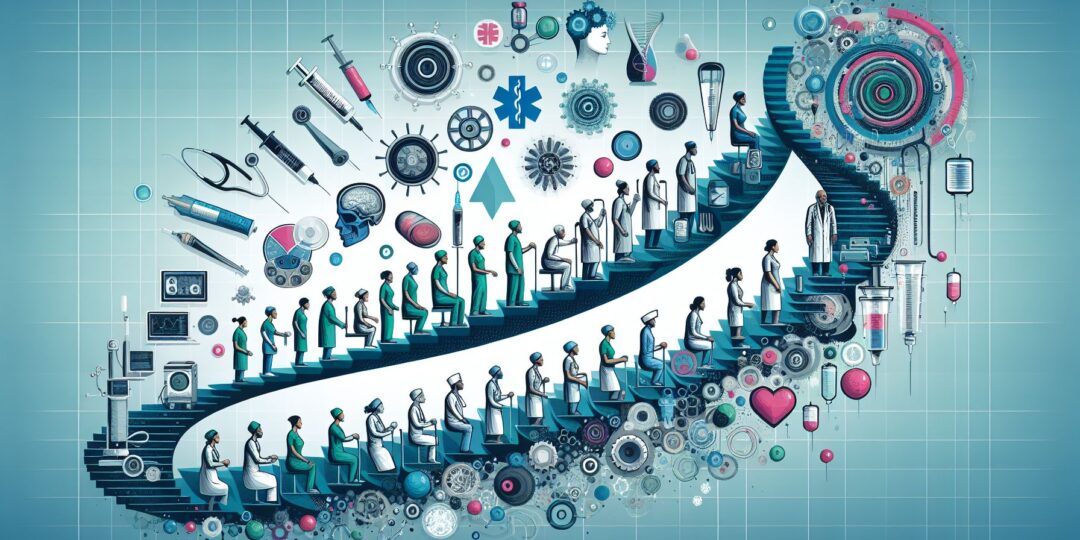
The Evolving Landscape of Medical Products and Industry

The medical industry is constantly evolving, with new technologies and products being introduced to improve patient care, increase efficiency, and reduce costs. From life-saving devices to innovative medications, the range of medical products available today is vast and diverse.

One of the key drivers of innovation in the medical industry is the growing demand for personalized medicine. Advances in genomics and other areas of research have enabled healthcare providers to tailor treatments to individual patients based on their unique genetic makeup. This has led to the development of targeted therapies for conditions such as cancer, where traditional treatments have been less effective.

In addition to personalized medicine, the medical products industry has also seen a rise in the use of digital health technologies. From wearable devices that monitor vital signs to telemedicine platforms that allow patients to consult with healthcare providers remotely, these technologies are changing the way healthcare is delivered. They not only make it easier for patients to access care but also enable providers to gather more data and make better-informed treatment decisions.

Advances in manufacturing processes have also had a significant impact on the medical products industry. 3D printing, for example, has revolutionized the production of prosthetics, implants, and other medical devices. This technology allows for the creation of complex, customized products that are more durable and less expensive than traditional manufacturing methods.

Despite these advancements, the medical products industry faces a number of challenges. Regulatory hurdles, changing reimbursement models, and increasing competition from generic products all contribute to the complexity of bringing new products to market. Additionally, the high cost of researching and developing new treatments can make it difficult for smaller companies to compete with larger, more established manufacturers.

To address these challenges, companies in the medical products industry are increasingly turning to partnerships and collaborations. By working together, companies can pool their resources and expertise to bring innovative products to market more quickly and efficiently. These partnerships not only benefit the companies involved but also have the potential to improve patient outcomes and reduce healthcare costs.

In conclusion, the medical products industry is a dynamic and rapidly evolving field that plays a crucial role in improving the quality of healthcare worldwide. From personalized medicine to digital health technologies, the industry is at the forefront of innovation, driving advancements that benefit both patients and healthcare providers. By embracing new technologies, collaborating with others, and overcoming regulatory hurdles, companies in the medical products industry can continue to make a positive impact on the health and well-being of people everywhere.…

Continue reading
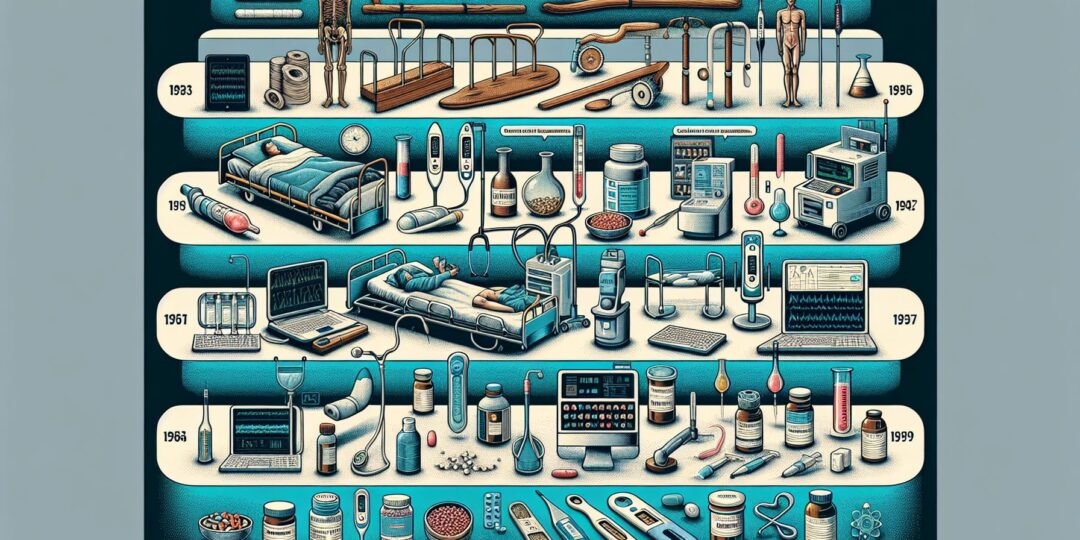
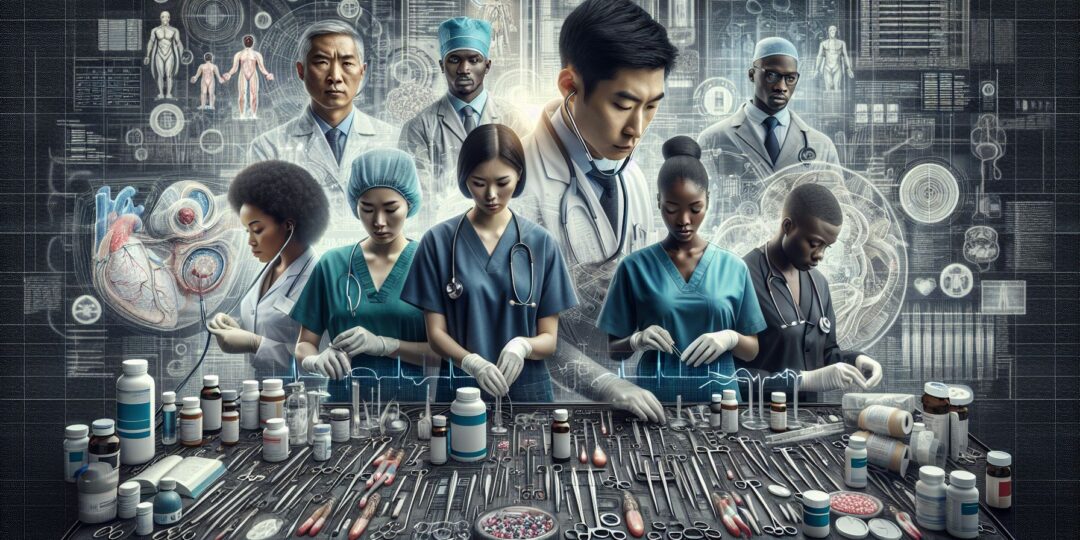
Advancements in the Medical Products and Industry

The medical products industry plays a crucial role in providing healthcare professionals with the tools they need to diagnose, treat, and manage a wide range of medical conditions. From life-saving devices like pacemakers and ventilators to everyday items like bandages and syringes, the medical products industry is constantly evolving to meet the ever-changing needs of the healthcare industry.

One of the key drivers of innovation in the medical products industry is the increasing demand for personalized medicine. As our understanding of genetics and human biology grows, healthcare professionals are able to tailor treatment plans to individual patients based on their unique genetic makeup. This has led to the development of a wide range of new medical products, from genetic testing kits to targeted therapies that can zero in on specific genetic mutations.

Another major trend in the medical products industry is the growing focus on sustainability and environmental responsibility. As the healthcare industry becomes more aware of its impact on the environment, there is an increasing push to develop medical products that are eco-friendly and sustainable. This includes everything from reusable medical devices to biodegradable packaging materials.

In recent years, the medical products industry has also seen a surge in the development of digital health products. From wearable fitness trackers to telemedicine platforms, technology is playing an increasingly important role in how healthcare is delivered. This trend is expected to continue as more healthcare providers adopt digital health solutions to improve patient outcomes and streamline the delivery of care.

Despite these advancements, the medical products industry still faces a number of challenges. One of the biggest challenges is ensuring that medical products are safe and effective. With so many new products entering the market every year, regulatory agencies like the FDA play a crucial role in ensuring that these products meet strict safety and efficacy standards.

In conclusion, the medical products industry is a dynamic and rapidly evolving field that plays a critical role in the delivery of healthcare. With advancements in personalized medicine, sustainability, and digital health, the industry is well-positioned to continue driving innovation and improving patient outcomes in the years to come. By staying ahead of the curve and embracing new technologies, the medical products industry is poised to make a significant impact on the future of healthcare.…

Continue reading

The Importance of Medical Products in the Healthcare Industry

The healthcare industry relies heavily on the availability and efficacy of medical products to deliver quality care to patients. From pharmaceuticals to medical devices, these products play a crucial role in the diagnosis, treatment, and prevention of various medical conditions. In this blog post, we will discuss the importance of medical products in the healthcare industry.

Introduction

Medical products encompass a wide range of items used in the healthcare sector, including pharmaceuticals, medical devices, diagnostic tools, and equipment. These products are essential for healthcare professionals to provide accurate diagnosis, effective treatment, and optimal care for patients. Without access to quality medical products, the healthcare industry would not be able to function effectively.

Body

One of the key roles of medical products in the healthcare industry is in disease prevention and treatment. Pharmaceuticals, such as antibiotics, anti-inflammatory drugs, and vaccines, are crucial for treating various medical conditions and preventing the spread of infectious diseases. Medical devices, such as MRI machines, ultrasound scanners, and surgical instruments, are essential for diagnosing and treating injuries and illnesses.

In addition to disease prevention and treatment, medical products also play a vital role in improving patient outcomes and quality of life. For example, prosthetic limbs and orthopedic implants allow individuals to regain mobility and functionality after an injury or surgery. Medical products such as insulin pumps and blood glucose monitors help individuals with diabetes manage their condition effectively.

Moreover, the development and innovation of medical products drive advancements in healthcare technology and research. New pharmaceuticals, medical devices, and diagnostic tools are constantly being developed to improve patient care, enhance treatment outcomes, and revolutionize healthcare practices. These advancements not only benefit patients but also contribute to the growth and evolution of the healthcare industry as a whole.

Conclusion

In conclusion, medical products are essential for the delivery of quality healthcare services and the advancement of medical science. From pharmaceuticals to medical devices, these products play a crucial role in disease prevention, treatment, and management. The healthcare industry relies on the availability and efficacy of medical products to provide optimal care for patients and drive innovation in healthcare technology. As the demand for healthcare services continues to grow, the importance of medical products in the healthcare industry will only continue to increase.…

Continue reading

The Importance of Medical Products and Industry

The medical field is constantly advancing and evolving, with new technologies and innovations being developed each day. One key aspect of this advancement is the development and production of medical products. These products play a crucial role in the diagnosis, treatment, and management of various medical conditions, ultimately leading to improved patient outcomes and quality of life.

Medical products encompass a wide range of items, from diagnostic tools such as MRI machines and blood tests to treatment options like medications and surgical instruments. These products are often developed by specialized companies within the medical industry, which invest heavily in research and development to bring new and improved products to market.

The medical products industry is a highly regulated sector, with strict guidelines and standards in place to ensure the safety and efficacy of products. Regulatory bodies such as the Food and Drug Administration (FDA) in the United States oversee the approval and monitoring of medical products, requiring thorough testing and documentation before products can be brought to market.

One of the key challenges facing the medical products industry is the need to balance innovation with safety and efficacy. New technologies and treatment options are constantly being developed, but it is essential that these products undergo rigorous testing to ensure they are safe and effective for patients. This can be a time-consuming and costly process, but it is crucial for maintaining trust in the medical field and protecting patient health.

Despite these challenges, the medical products industry continues to thrive, with new products and innovations being developed each year. From cutting-edge surgical robots to personalized medications tailored to an individual’s genetic makeup, medical products are revolutionizing the way we diagnose and treat medical conditions.

In conclusion, the medical products industry plays a vital role in the advancement of healthcare and the improvement of patient outcomes. From diagnostic tests to surgical instruments, these products are essential tools for healthcare providers in delivering quality care to patients. By continuing to invest in research and development, the medical products industry will undoubtedly continue to drive innovation and improve patient outcomes for years to come.…

Continue reading

Revolutionizing Healthcare: The Impact of Medical Products and Industry

In recent years, the medical products and industry have made significant advancements that have revolutionized the way healthcare is delivered. From innovative medical devices to cutting-edge pharmaceuticals, these developments have not only improved patient outcomes but also transformed the way healthcare providers operate.

One of the key areas where medical products have had a profound impact is in the field of diagnostics. With the development of new medical devices and technologies, healthcare providers can now diagnose diseases earlier and more accurately than ever before. For example, advanced imaging techniques such as MRI and CT scans have enabled doctors to detect conditions such as cancer and heart disease in their early stages, greatly increasing the chances of successful treatment.

In addition to diagnostics, medical products have also played a crucial role in the treatment of various medical conditions. Pharmaceutical companies have developed a wide range of medications that can effectively manage chronic diseases such as diabetes and hypertension, allowing patients to lead healthier and more fulfilling lives. Furthermore, advancements in medical devices have made surgical procedures safer and more efficient, reducing recovery times and improving patient outcomes.

The medical products and industry have also driven innovation in the field of healthcare technology. From electronic health records to telemedicine platforms, these advancements have streamlined communication between healthcare providers and patients, improving the quality and efficiency of care delivery. Additionally, the rise of wearable devices and health monitoring apps has empowered individuals to take control of their own health, allowing them to track their fitness goals and manage chronic conditions more effectively.

Despite these advancements, the medical products and industry continue to face challenges such as regulatory hurdles, rising costs, and ethical concerns. In order to continue driving innovation and improving patient outcomes, stakeholders in the healthcare industry must work together to address these issues and foster a culture of collaboration and innovation.

In conclusion, the impact of medical products and industry on healthcare cannot be overstated. From diagnostics to treatment to technology, these advancements have transformed the way healthcare is delivered, improving patient outcomes and empowering individuals to take control of their health. As the industry continues to evolve, it is essential for stakeholders to collaborate and innovate in order to address challenges and drive further advancements in healthcare.…

Continue reading

Innovation in Medical Products and the Healthcare Industry

In recent years, the healthcare industry has been experiencing a wave of innovation in medical products. From cutting-edge technologies to improved pharmaceuticals, the advances in medical products are revolutionizing the way we approach healthcare. These innovations are not only improving patient outcomes but also streamlining processes for healthcare providers, ultimately leading to a more efficient and effective healthcare system.

One area where we have seen significant advancements is in medical devices. These devices range from simple tools like thermometers and blood pressure monitors to more complex machines such as MRI scanners and robotic surgical systems. The development of these devices has allowed for more accurate diagnostics, minimally invasive procedures, and improved patient care. For example, the introduction of wearable devices has enabled patients to monitor their health in real-time and provide valuable data to healthcare providers for better treatment plans.

Another area of innovation in medical products is in pharmaceuticals. The development of new drugs and therapies has led to breakthroughs in the treatment of various diseases and conditions. From targeted cancer therapies to medications for rare genetic disorders, pharmaceutical companies are constantly pushing the boundaries of what is possible in healthcare. These advancements have not only improved patient outcomes but have also reduced the time and cost of drug development, making treatments more accessible to a larger population.

In addition to advancements in medical devices and pharmaceuticals, the healthcare industry is also seeing a rise in digital health technologies. Telemedicine, electronic health records, and health monitoring apps are just a few examples of how technology is transforming the way we receive and manage healthcare. These digital tools are increasing access to care, improving communication between patients and providers, and empowering individuals to take control of their health.

Overall, the innovation in medical products and the healthcare industry is creating a more patient-centered and efficient system. By harnessing the power of technology, we are able to provide better care, faster diagnoses, and more personalized treatment plans. As we continue to push the boundaries of what is possible in healthcare, the future looks bright for both patients and healthcare providers alike.

In conclusion, the advancements in medical products and the healthcare industry are transforming the way we approach healthcare. From cutting-edge devices to innovative pharmaceuticals to digital health technologies, these innovations are improving patient outcomes, streamlining processes, and ultimately creating a more efficient and effective healthcare system. As we continue to push the boundaries of what is possible, the future of healthcare looks promising for all.…

Continue reading

The Growing Importance of Medical Products in the Healthcare Industry

The healthcare industry is constantly evolving, with new advancements and innovations being made every day. One area of particular importance is the development of medical products, which play a crucial role in improving patient outcomes and quality of care.

Medical products encompass a wide range of items, from simple bandages and syringes to sophisticated surgical instruments and high-tech diagnostic machines. These products are designed to help healthcare professionals diagnose, treat, and manage a variety of medical conditions, ultimately improving the lives of patients around the world.

In recent years, the demand for medical products has increased significantly, driven by a number of factors including an aging population, the rise of chronic diseases, and the growing emphasis on preventative care. As a result, the medical products industry has experienced substantial growth, with new companies entering the market and existing ones expanding their product offerings.

One of the key trends in the medical products industry is the focus on innovation and technology. Advances in materials science, engineering, and medical imaging have led to the development of new and improved products that are more effective, safer, and easier to use. For example, 3D printing technology has enabled the production of custom-made implants and prosthetics, while wearable devices and remote monitoring systems allow patients to track their health in real-time.

Another important trend is the increasing importance of sustainability and eco-friendliness in the medical products industry. Many companies are now focusing on developing products that are environmentally friendly, such as biodegradable materials and reusable devices. This not only helps to reduce the industry’s carbon footprint but also contributes to a more sustainable healthcare system overall.

The global medical products market is expected to continue growing in the coming years, driven by factors such as increasing healthcare spending, technological advancements, and the rise of telemedicine. However, challenges such as regulatory hurdles, pricing pressures, and competition from generic products remain key concerns for industry players.

In conclusion, medical products play a critical role in the healthcare industry, helping to improve patient care, diagnose diseases, and save lives. The industry is constantly evolving, with new advances in technology and innovation driving growth and change. By staying abreast of these developments, healthcare professionals can ensure they are using the most effective and cutting-edge products to provide the best possible care for their patients.…

Continue reading

The Ever-Evolving World of Medical Products and Industry

The medical industry is constantly at the forefront of innovation, with new products and technologies being developed every day to improve patient care and outcomes. From pharmaceuticals to medical devices, the industry is vast and diverse, encompassing a wide range of products that are essential to modern healthcare.

One of the key drivers of innovation in the medical industry is the increasing demand for personalized medicine. As our understanding of genetics and disease mechanisms grows, there is a growing need for products that can be tailored to individual patients’ needs. This has led to the development of a range of products, from diagnostic tests that can identify specific genetic mutations to targeted therapies that can treat diseases based on a patient’s unique genetic makeup.

Another key trend in the medical industry is the rise of digital health technologies. From wearable devices that can monitor vital signs in real-time to telemedicine platforms that enable patients to consult with healthcare providers remotely, digital health technologies are revolutionizing the way we approach healthcare. These technologies not only have the potential to improve patient outcomes but also to reduce healthcare costs and increase access to care for underserved populations.

In addition to personalized medicine and digital health, the medical industry is also seeing significant advancements in the field of medical devices. From robotic surgery systems that can perform minimally invasive procedures with greater precision to advanced imaging technologies that can diagnose diseases at an earlier stage, medical devices are playing an increasingly important role in modern healthcare.

However, with these advancements come challenges. The cost of developing and bringing new medical products to market is high, and regulatory hurdles can be significant. Additionally, ensuring the safety and efficacy of medical products is paramount, requiring rigorous testing and regulatory oversight. As such, companies in the medical industry must navigate a complex landscape of regulations and standards to bring their products to market.

Despite these challenges, the medical industry continues to push the boundaries of what is possible, developing innovative products that have the potential to transform healthcare as we know it. From cutting-edge pharmaceuticals to groundbreaking medical devices, the industry is constantly evolving to meet the needs of patients and healthcare providers alike.

In conclusion, the world of medical products and industry is a dynamic and ever-evolving field that plays a crucial role in modern healthcare. With advancements in personalized medicine, digital health technologies, and medical devices, the industry is poised to continue driving innovation and improving patient care for years to come.…

Continue reading

Advancements in Medical Products and the Healthcare Industry

The medical products and healthcare industry have witnessed significant advancements in recent years, thanks to the rapid evolution of technology and increased focus on research and development. These advancements have led to the creation of innovative products and solutions that have revolutionized the way healthcare is delivered and improved patient outcomes.

One of the key areas where we have seen remarkable progress is in the development of medical devices. From wearables that can monitor vital signs and detect early signs of illness to robotic surgical systems that can perform precise surgical procedures with improved accuracy, medical devices are playing a crucial role in enhancing patient care. These devices are not only improving the efficiency of healthcare delivery but also providing healthcare professionals with valuable data that can inform treatment decisions.

In addition to medical devices, pharmaceutical companies have been developing groundbreaking therapies and medications that are transforming the way various diseases are treated. Advances in biotechnology and personalized medicine have allowed for the creation of targeted therapies that can address specific genetic mutations or biological markers, leading to more effective and personalized treatment approaches. Moreover, the use of artificial intelligence and machine learning algorithms has also enabled the identification of new drug targets and the acceleration of drug discovery processes.

The healthcare industry has also embraced digital health solutions, such as telemedicine and health information technology, to improve the delivery of care and enhance patient engagement. Telemedicine allows patients to access healthcare services remotely, which is particularly beneficial for individuals in rural or underserved areas. Health information technology, on the other hand, enables healthcare providers to streamline administrative processes, improve communication between different healthcare settings, and enhance patient safety through electronic health records.

Furthermore, the emphasis on patient-centric care and value-based healthcare models has prompted healthcare organizations to prioritize preventive care and population health management. By focusing on wellness and preventive measures, healthcare providers can reduce the incidence of chronic diseases, lower healthcare costs, and improve overall population health outcomes.

In conclusion, the advancements in medical products and the healthcare industry are driving positive changes in the way healthcare is delivered and managed. From innovative medical devices and therapies to digital health solutions and preventive care initiatives, these advancements are transforming the healthcare landscape and improving patient outcomes. As technology continues to evolve and research continues to progress, we can expect even more exciting developments in the field of healthcare in the years to come.…

Continue reading

Exploring the Role of Medical Products in the Healthcare Industry

The healthcare industry is a vast and complex system that relies on a wide array of products to function efficiently. From diagnostic tools to surgical equipment to pharmaceuticals, medical products play a crucial role in the prevention, diagnosis, and treatment of various health conditions.

One of the key aspects of medical products is their ability to aid healthcare professionals in accurately diagnosing diseases and conditions. Advanced technologies such as MRI machines, CT scanners, and blood tests have revolutionized the way diseases are detected and managed. These tools give doctors a clearer picture of a patient’s health status, allowing for a more accurate diagnosis and treatment plan.

In addition to diagnostic tools, medical products also encompass a vast range of devices used in surgical procedures. From scalpels to sutures to surgical robots, these products are essential in performing complex surgeries with precision and efficiency. Surgical equipment plays a critical role in ensuring the success of a procedure and the safety of the patient.

Furthermore, pharmaceutical products are a cornerstone of modern healthcare. Medications are used to manage symptoms, treat diseases, and improve overall health. From antibiotics to chemotherapy drugs to vaccines, pharmaceutical products have greatly contributed to the advancement of medicine and the improvement of patient outcomes.

The medical products industry is constantly evolving, with new technologies and innovations being developed to meet the growing demands of the healthcare system. Companies are investing heavily in research and development to create products that are more efficient, cost-effective, and user-friendly. This innovation is essential in driving progress in the healthcare industry and improving patient care.

Despite the importance of medical products, there are challenges that the industry faces. Regulatory hurdles, quality control issues, and pricing pressures are some of the key challenges that companies in the medical products industry have to navigate. However, with strong leadership, innovation, and collaboration, these challenges can be overcome to ensure that patients have access to the best possible medical products.

In conclusion, medical products play a vital role in the healthcare industry, enabling healthcare professionals to deliver high-quality care to patients. From diagnostic tools to surgical equipment to pharmaceuticals, these products are essential in preventing, diagnosing, and treating a wide range of health conditions. With continual innovation and collaboration, the medical products industry will continue to drive progress in healthcare and improve patient outcomes.…

Continue reading