Revolutionizing Healthcare: The Role of Medical Products and Industry

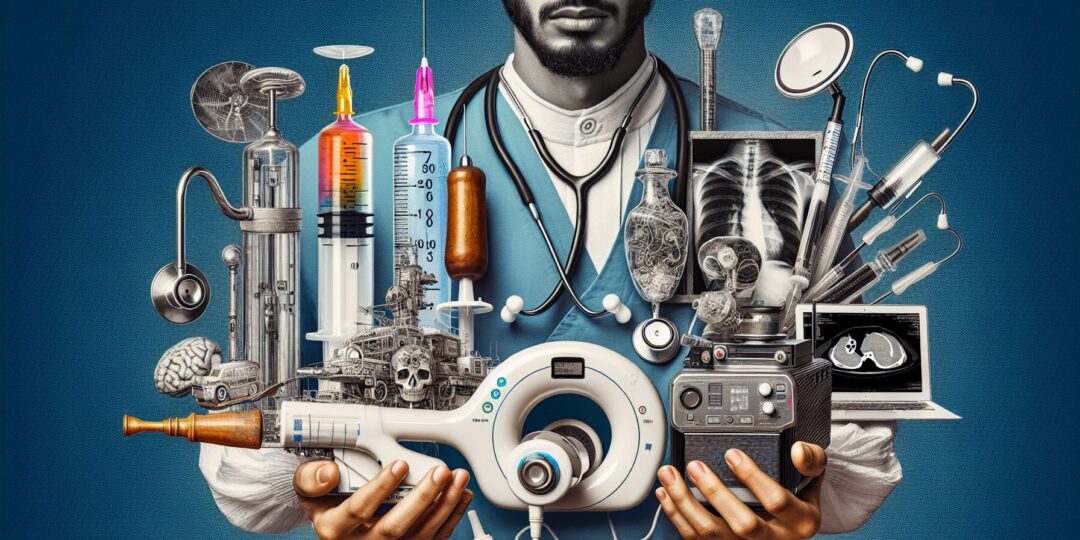
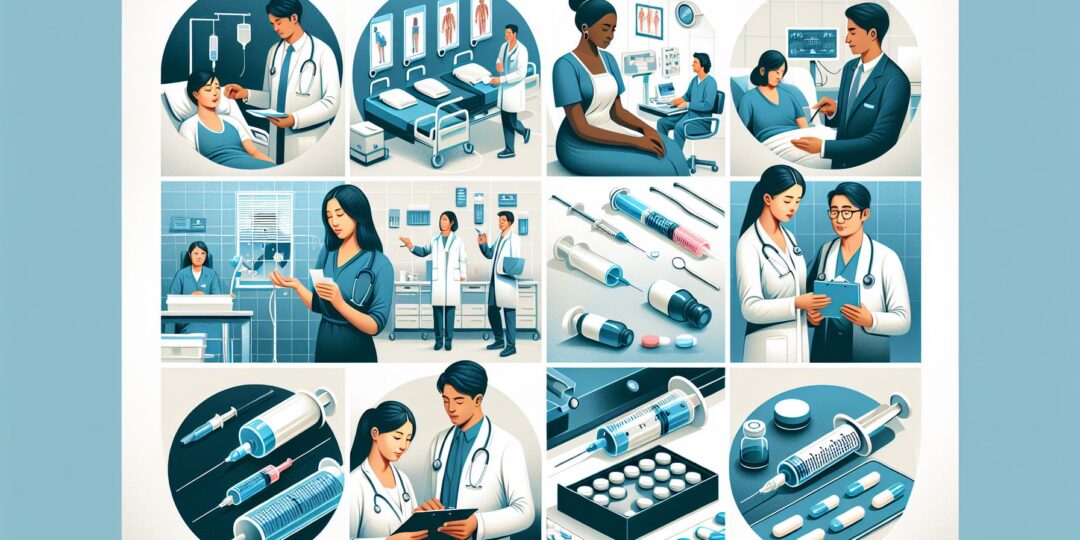
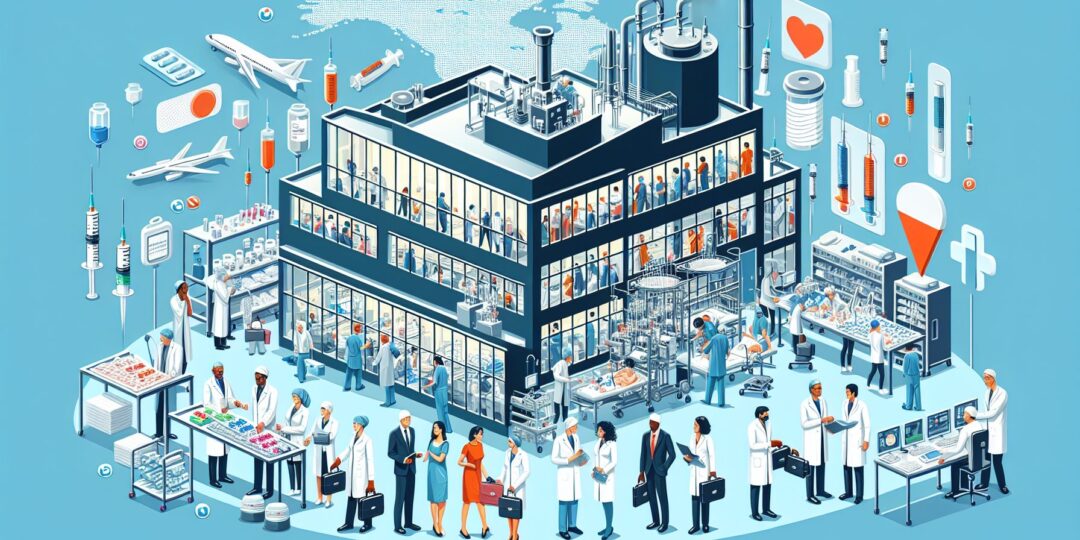
The medical products industry plays a critical role in the healthcare sector, providing essential tools and equipment that are instrumental in diagnosing, treating, and managing various medical conditions. From surgical instruments to diagnostic devices, medical products are essential in delivering quality care to patients worldwide.

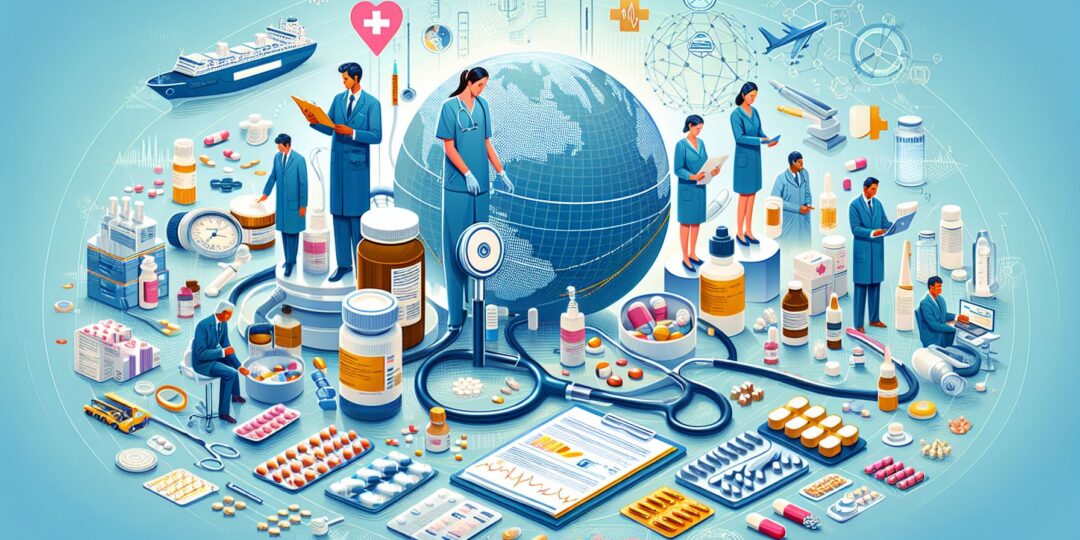
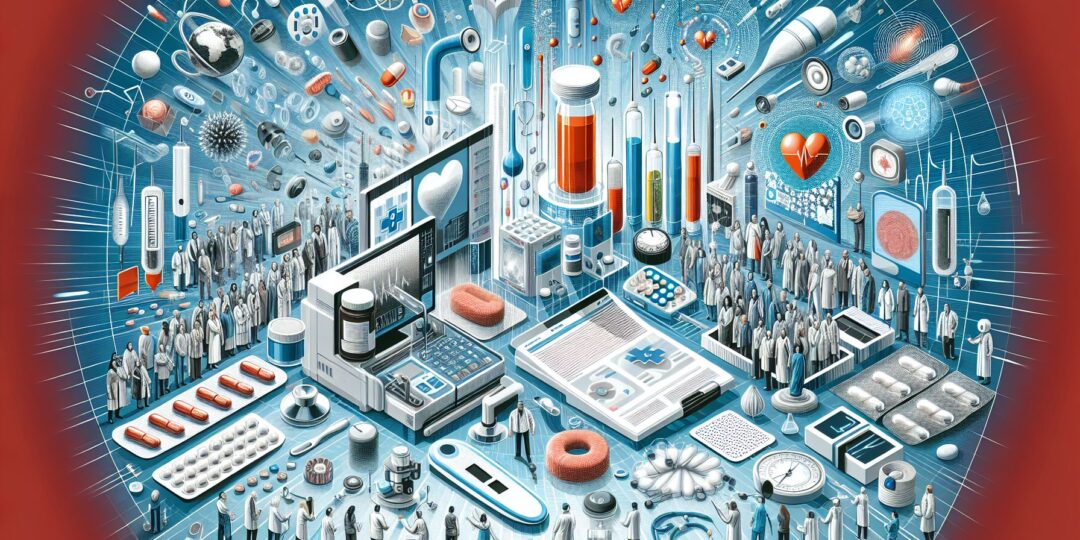
Advancements in technology have revolutionized the medical products industry, leading to the development of innovative products that have the potential to improve patient outcomes and streamline healthcare delivery. These products encompass a wide range of categories, including medical devices, equipment, supplies, and pharmaceuticals, all designed to meet the evolving needs of healthcare providers and patients.

Medical devices, such as MRI machines, ultrasound machines, and surgical instruments, are used in hospitals, clinics, and other healthcare settings to diagnose and treat patients. These devices are continually being improved and refined to enhance their efficacy and accuracy, leading to better patient outcomes and reduced healthcare costs.

In addition to medical devices, pharmaceutical products are another essential component of the medical products industry. These products include medications, vaccines, and other pharmaceuticals that are used to prevent, treat, and manage a wide range of medical conditions. The pharmaceutical industry is constantly innovating and developing new drugs and treatments to address the changing needs of patients and healthcare providers.

The medical products industry is highly regulated to ensure the safety and efficacy of products on the market. Regulatory agencies, such as the Food and Drug Administration (FDA) in the United States, set strict guidelines and standards for the development, manufacturing, and marketing of medical products. These regulations help to protect patients and ensure that medical products meet the highest standards of quality and safety.

In recent years, the medical products industry has faced new challenges, including the COVID-19 pandemic, which has highlighted the critical importance of medical products in responding to public health crises. Medical products, such as personal protective equipment (PPE), ventilators, and diagnostic tests, have played a crucial role in diagnosing, treating, and controlling the spread of the virus.

As the healthcare landscape continues to evolve, the medical products industry will play an increasingly important role in shaping the future of healthcare delivery. By investing in research and development, promoting innovation, and adhering to strict regulatory standards, the industry is poised to continue revolutionizing healthcare and improving patient outcomes around the world.

In conclusion, the medical products industry is a vital component of the healthcare sector, providing essential tools and equipment that are essential in delivering quality care to patients. Through ongoing innovation and research, the industry will continue to revolutionize healthcare delivery, leading to improved patient outcomes and better overall health outcomes.…

Continue reading
The Evolution of Medical Products and the Future of the Industry

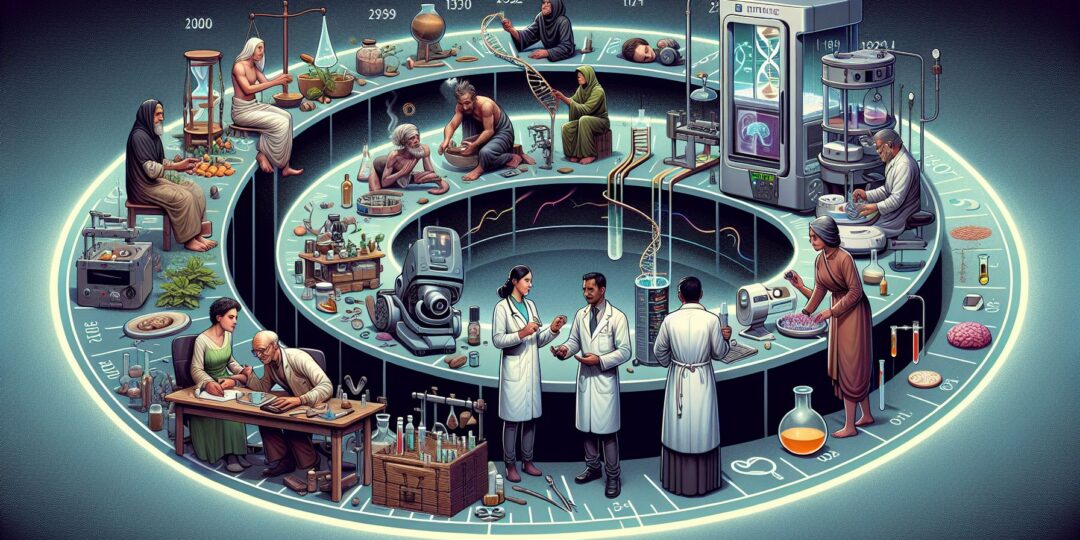
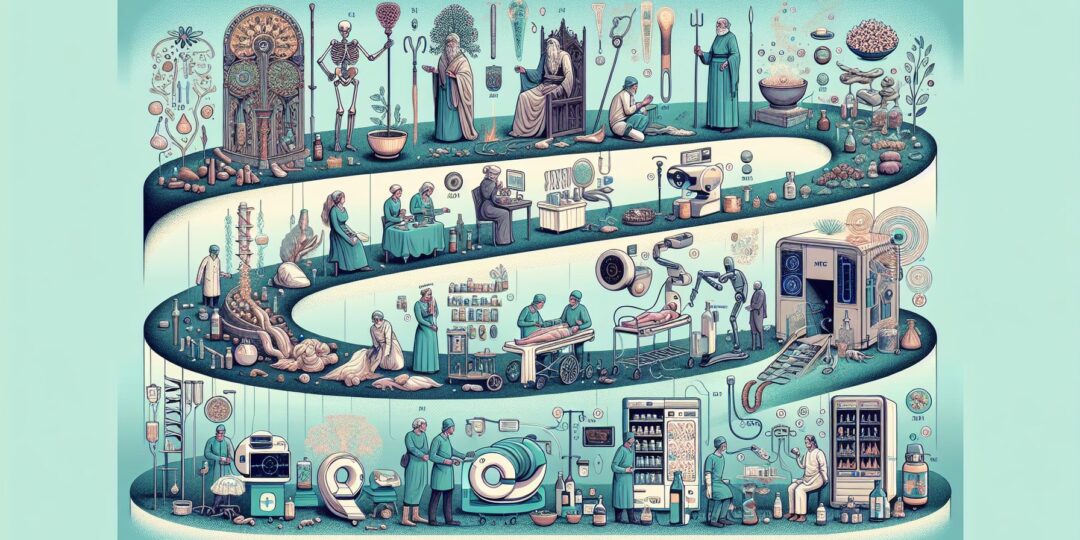
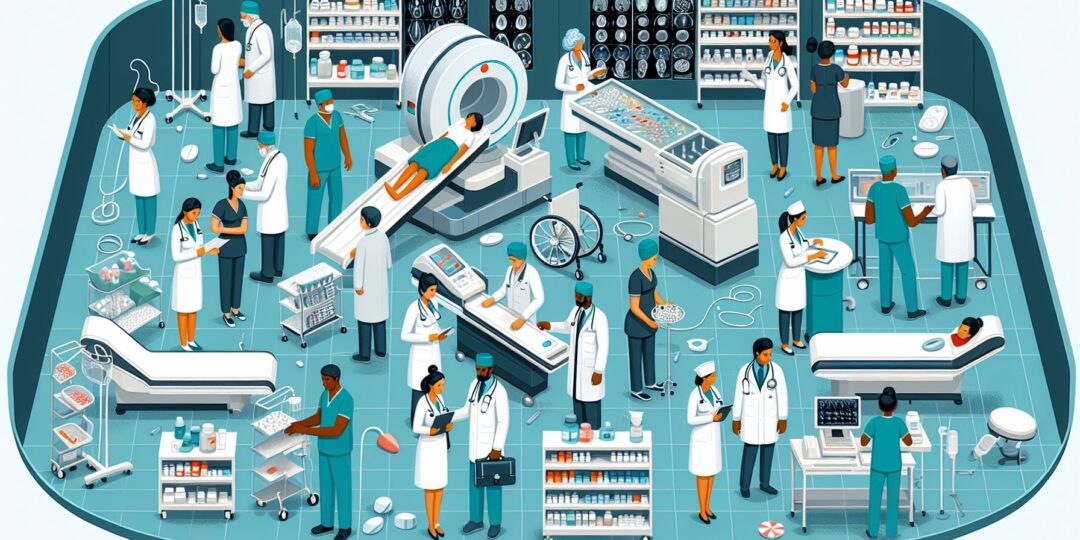
The medical industry is constantly evolving, with new technologies and products continuing to revolutionize the way we approach healthcare. From advancements in pharmaceuticals to cutting-edge medical devices, the field of medicine is constantly pushing the boundaries of what is possible. In this article, we will explore the history of medical products and how the industry is shaping up for the future.

Medical products encompass a wide range of items, from simple bandages and over-the-counter medications to complex surgical instruments and state-of-the-art imaging systems. The development of these products has been fueled by a combination of scientific research, clinical trials, and the drive to improve patient outcomes. Throughout history, medical products have played a crucial role in the advancement of healthcare, allowing for more accurate diagnoses, safer surgeries, and better overall patient care.

In recent years, the medical industry has seen a surge in innovation, with companies investing heavily in research and development to bring new products to market. One area that has seen significant growth is personalized medicine, where treatments are tailored to individual patients based on their genetic makeup. This approach has led to more effective treatments for conditions such as cancer, diabetes, and autoimmune disorders, leading to better outcomes for patients.

Another area of rapid growth in the medical industry is the development of wearable medical devices. These devices, which can monitor everything from heart rate to blood sugar levels, are revolutionizing the way we track and manage our health. With the rise of telemedicine and remote patient monitoring, these devices are becoming increasingly important in providing real-time data to healthcare providers, allowing for more proactive and personalized care.

Looking to the future, the medical industry is poised for even greater advancements, with technologies such as artificial intelligence and 3D printing playing a key role in expanding the possibilities for medical products. AI-powered diagnostic tools can analyze vast amounts of data to help identify diseases earlier and with greater accuracy, while 3D printing is revolutionizing the production of customized prosthetics, implants, and surgical tools.

As the medical industry continues to evolve, one thing is certain – the demand for innovative medical products will only continue to grow. Whether it’s improving patient outcomes, reducing healthcare costs, or enhancing the overall quality of care, the development of new medical products will play a crucial role in shaping the future of medicine. By investing in research, embracing new technologies, and collaborating across disciplines, the medical industry is well-positioned to meet the challenges of tomorrow head-on.

In conclusion, the evolution of medical products has been driven by a relentless pursuit of innovation and a commitment to improving patient care. As we look to the future, the medical industry is poised for even greater advancements, with new technologies and products set to revolutionize the field of medicine. By staying at the forefront of innovation, the medical industry can continue to push the boundaries of what is possible and improve healthcare outcomes for patients around the world.…

Continue reading

The Importance of Medical Products in the Healthcare Industry

The medical products industry plays a crucial role in the healthcare sector by providing essential equipment, devices, and supplies needed for the diagnosis, treatment, and prevention of various medical conditions. This industry encompasses a wide range of products, including pharmaceuticals, medical devices, surgical instruments, diagnostic equipment, and much more. Without the availability of these products, the quality of healthcare services would be severely compromised.

One of the key aspects of the medical products industry is innovation. Manufacturers are constantly researching and developing new technologies to improve patient outcomes, increase efficiency, and reduce healthcare costs. For example, the development of advanced imaging equipment has revolutionized the way medical professionals diagnose and treat diseases. Similarly, the invention of minimally invasive surgical techniques has reduced recovery times and improved patient comfort.

In addition to innovation, the medical products industry also plays a vital role in ensuring the safety and quality of healthcare services. Strict regulations and standards govern the production, distribution, and use of medical products to protect both patients and healthcare providers. Manufacturers must adhere to Good Manufacturing Practices (GMP) and other quality control measures to ensure that their products meet the required standards.

Moreover, the medical products industry is essential for addressing public health crises, such as the current COVID-19 pandemic. Manufacturers have ramped up production of personal protective equipment (PPE), ventilators, and other medical supplies to meet the increased demand during this global health crisis. Without the quick response and collaboration of the medical products industry, healthcare systems would be overwhelmed, and patient care would suffer.

Overall, the medical products industry plays a vital role in the healthcare sector by providing innovative products, ensuring quality and safety, and responding to public health emergencies. As technology continues to advance, the industry will undoubtedly continue to evolve, driving improvements in patient care and outcomes. It is crucial for healthcare professionals, policymakers, and manufacturers to work together to support and strengthen the medical products industry to ensure the continued delivery of high-quality healthcare services.…

Continue reading

The Innovations in Medical Products and Industry

The medical products industry is constantly evolving and growing, with new technologies and innovations being developed all the time. These advancements are not only benefiting medical professionals in providing better care for their patients, but also improving the overall quality of life for millions of people around the world.

One of the most important aspects of the medical products industry is the development of new medical devices. These devices can range from simple tools used in the diagnosis of medical conditions, to complex machines that are instrumental in performing life-saving surgeries. Advances in medical device technology have revolutionized the way healthcare is delivered, making procedures safer, more efficient, and less invasive.

Another major area of innovation in the medical products industry is the development of new pharmaceuticals. These drugs are used to treat a wide range of medical conditions, from common ailments like the flu, to chronic diseases such as cancer and diabetes. The pharmaceutical industry is constantly researching and developing new medications to improve patient outcomes and quality of life.

In addition to medical devices and pharmaceuticals, the medical products industry also includes a wide range of healthcare consumables and supplies. These products are essential for the day-to-day operation of healthcare facilities, from hospitals and clinics to nursing homes and home care settings. From bandages and syringes to surgical gloves and medical tapes, these supplies are vital in providing safe and effective care to patients.

One of the key drivers of innovation in the medical products industry is the increasing demand for personalized medicine. This approach to healthcare involves tailoring medical treatment to the individual characteristics of each patient, such as their genetics, lifestyle, and environment. Advances in technology, such as genetic sequencing and data analytics, are enabling healthcare providers to deliver more targeted and effective treatments to their patients.

Overall, the medical products industry plays a crucial role in the delivery of healthcare services worldwide. By investing in research and development, companies are able to create new and innovative products that improve patient outcomes and save lives. As technology continues to advance, we can expect to see even more groundbreaking developments in the field of medical products and industry.

In conclusion, the medical products industry is a dynamic and rapidly evolving sector that plays a critical role in improving healthcare outcomes for patients. From medical devices and pharmaceuticals to healthcare consumables and supplies, the industry is constantly innovating to meet the ever-changing needs of healthcare providers and patients. By investing in research and development, companies are driving new advancements that are shaping the future of healthcare delivery.…

Continue reading

The Essential Role of Medical Products in the Healthcare Industry

In today’s world, medical products play a crucial role in the treatment and management of various health conditions. From bandages and syringes to advanced medical devices and pharmaceuticals, these products are essential in providing quality care to patients. The healthcare industry heavily relies on these products to diagnose, treat, and prevent diseases, ultimately improving the overall well-being of individuals around the world.

Medical products encompass a wide range of items that are used in healthcare settings. Some of the most common medical products include diagnostic equipment such as thermometers, blood pressure monitors, and glucose meters, as well as therapeutic devices like nebulizers, wheelchairs, and CPAP machines. Pharmaceuticals, including prescription drugs, over-the-counter medications, and vaccines, are also vital medical products that help in healing and managing various health conditions.

The development and manufacturing of medical products require strict adherence to regulatory standards to ensure their safety and efficacy. Companies in the healthcare industry invest a significant amount of resources in research and development to innovate and create new medical products that can address the evolving healthcare needs of the population. These products undergo rigorous testing and evaluations before they are approved for use in clinical settings.

The use of medical products in healthcare not only benefits patients but also healthcare professionals. Medical devices and equipment help healthcare providers in diagnosing conditions accurately and developing appropriate treatment plans for their patients. Pharmaceutical products enable healthcare professionals to prescribe medications that can alleviate symptoms, cure diseases, or prevent future health complications.

In addition to aiding in the diagnosis and treatment of illnesses, medical products also play a crucial role in disease prevention. Vaccines, for example, are essential medical products that help in immunizing individuals against certain infectious diseases. Other medical products, such as personal protective equipment (PPE) and disinfectants, are crucial in preventing the spread of infections in healthcare settings.

As the healthcare industry continues to advance, the demand for innovative medical products will only increase. The development of new technologies, such as telemedicine and wearable devices, will further revolutionize the way healthcare is delivered and managed. Medical products will continue to be at the forefront of these advancements, driving improvements in patient outcomes and enhancing the overall quality of care.

In conclusion, medical products are essential components of the healthcare industry, playing a critical role in diagnosis, treatment, and prevention of diseases. These products not only benefit patients by improving their health outcomes but also support healthcare professionals in delivering quality care. As the healthcare landscape evolves, the importance of medical products in driving innovation and advancements in healthcare cannot be overstated.…

Continue reading

The Importance of Medical Products and the Industry

Medical products play a crucial role in the healthcare industry, providing the tools and equipment necessary for diagnosing, treating, and monitoring various medical conditions. From syringes and bandages to MRI machines and pacemakers, these products are essential for the delivery of quality healthcare services.

The medical products industry is a diverse and rapidly growing sector that encompasses a wide range of products and technologies. Companies within this industry are constantly developing new and innovative products to meet the evolving needs of healthcare providers and patients. This innovation is driven by advancements in technology, healthcare research, and regulatory requirements.

One of the key aspects of the medical products industry is the regulatory environment in which it operates. Products must meet strict quality and safety standards set by regulatory bodies such as the Food and Drug Administration (FDA) in the United States. This rigorous regulatory process ensures that medical products are safe and effective for use in healthcare settings.

The market for medical products is also highly competitive, with companies vying for market share by differentiating their products based on quality, innovation, and price. This competition drives companies to continuously improve and innovate their products, leading to better outcomes for patients and healthcare providers.

One of the challenges facing the medical products industry is the increasing demand for healthcare services, driven by factors such as an aging population and the growing prevalence of chronic diseases. This demand puts pressure on companies to develop products that are not only effective but also cost-effective and scalable to meet the needs of a growing patient population.

Despite these challenges, the medical products industry continues to be a vital part of the healthcare system, driving advancements in diagnosis, treatment, and patient care. The industry plays a critical role in supporting healthcare providers in delivering high-quality care to patients and improving outcomes.

In conclusion, medical products are essential for the delivery of healthcare services, providing the tools and equipment needed to diagnose, treat, and monitor medical conditions. The medical products industry is a dynamic and competitive sector that is constantly evolving to meet the needs of healthcare providers and patients. By investing in innovation, quality, and safety, companies in this industry are helping to drive advancements in healthcare and improve outcomes for patients worldwide.…

Continue reading

The Evolution of Medical Products and Industry

The medical products industry has experienced significant growth and innovation in recent years. From cutting-edge pharmaceuticals to advanced medical devices, the industry plays a critical role in improving healthcare outcomes for patients around the world.

One of the key drivers of innovation in the medical products industry is the rapid advancement of technology. Advances in areas such as artificial intelligence, 3D printing, and digital health have revolutionized the way medical products are developed, manufactured, and delivered to patients. These technological advancements have enabled the creation of more personalized and targeted treatments, resulting in better outcomes for patients.

In addition to technology, the increasing focus on patient-centered care has also influenced the development of medical products. Healthcare providers and industry stakeholders are placing a greater emphasis on understanding patients’ needs and preferences, leading to the creation of products that are more effective, convenient, and user-friendly. This patient-centric approach has driven the development of innovative products such as wearable devices, remote monitoring technologies, and telemedicine solutions, which empower patients to take a more proactive role in managing their health.

Furthermore, the global pandemic has accelerated the pace of innovation in the medical products industry. The rapid spread of COVID-19 has underscored the importance of developing new treatments and vaccines quickly and efficiently. The industry has responded to this challenge by leveraging its expertise in research, development, and manufacturing to bring innovative products to market at an unprecedented speed.

Despite these advancements, the medical products industry continues to face challenges such as regulatory hurdles, pricing pressures, and supply chain disruptions. In response, industry stakeholders are working together to address these challenges collaboratively and ensure that patients have access to safe, effective, and affordable medical products.

In conclusion, the medical products industry is at an exciting crossroads, with technology, patient-centered care, and global health challenges driving unprecedented innovation. As the industry continues to evolve, it will be crucial for stakeholders to collaborate, adapt, and innovate to meet the ever-changing needs of patients and healthcare providers. By doing so, the industry will continue to play a vital role in improving healthcare outcomes and advancing medical science.…

Continue reading

The Importance of Medical Products and Industry

The medical products industry plays a crucial role in providing essential tools, equipment, and medications for healthcare professionals to deliver quality care to patients. From bandages and syringes to sophisticated medical devices and pharmaceuticals, these products are essential in diagnosing, treating, and managing various medical conditions.

One of the key factors driving the growth of the medical products industry is the increasing demand for healthcare services due to a growing aging population and the prevalence of chronic diseases. As such, there is a continuous need for innovative and advanced medical products that can improve patient outcomes and the efficiency of healthcare delivery.

The development of medical products requires a significant investment in research and development to ensure safety, efficacy, and regulatory compliance. This process involves rigorous testing and clinical trials to demonstrate the product’s benefits and potential risks. Moreover, manufacturers must adhere to strict quality control standards to maintain the consistency and reliability of their products.

In recent years, technological advancements have revolutionized the medical products industry, leading to the development of cutting-edge medical devices and diagnostic tools. These products have enabled healthcare providers to streamline their workflows, improve patient care, and enhance overall hospital efficiency.

Furthermore, the global market for medical products is highly competitive, with numerous companies vying for market share and striving to differentiate themselves through innovation and customer service. This competition has driven manufacturers to continually improve their products and services to meet the evolving needs of healthcare providers and patients.

Despite the numerous benefits of medical products, the industry also faces challenges, such as regulatory hurdles, manufacturing complexities, and supply chain disruptions. These challenges can impact the availability and affordability of essential medical products, which in turn can have serious consequences for patient care and healthcare delivery.

In conclusion, the medical products industry plays a critical role in supporting the healthcare system and improving patient outcomes. Through innovation, research, and collaboration, manufacturers can develop safe, effective, and high-quality products that meet the needs of healthcare providers and patients. As the industry continues to evolve, it is essential for manufacturers to address challenges and adapt to changing market dynamics to ensure the availability and accessibility of essential medical products for all.…

Continue reading

Advancements in Medical Products and the Growing Industry

The field of medical products and the industry surrounding them have seen significant advancements in recent years. From innovative devices to cutting-edge pharmaceuticals, the medical field is constantly evolving to meet the needs of patients and healthcare providers. These advancements have led to improved patient outcomes, increased efficiency in healthcare delivery, and a more personalized approach to treatment.

One area of significant growth in the medical products industry is the development of medical devices. These devices range from simple tools like thermometers and blood pressure monitors to complex instruments such as MRI machines and robotic surgical systems. The development of these devices has revolutionized the way medical procedures are performed, making them safer, more accurate, and more efficient. For example, robotic surgical systems have allowed for minimally invasive procedures with reduced risk and faster recovery times.

In addition to medical devices, the pharmaceutical industry has also seen significant advancements in recent years. Pharmaceutical companies are constantly researching and developing new medications to treat a wide range of diseases and conditions. These medications are becoming increasingly targeted and personalized, allowing for more effective treatments with fewer side effects. Additionally, the rise of biotechnology has led to the development of innovative therapies such as gene editing and immunotherapy, which have shown great promise in treating previously untreatable diseases.

The growing industry surrounding medical products has created new opportunities for investment and innovation. With the rise of digital health technologies, such as telemedicine and wearable devices, the healthcare industry is becoming increasingly interconnected and data-driven. This has the potential to revolutionize how healthcare is delivered, making it more accessible, efficient, and personalized for patients.

However, with these advancements come challenges. The rapid pace of innovation in the medical products industry can make it difficult for regulations to keep up, leading to concerns about the safety and efficacy of new treatments. Additionally, the rising cost of medical products and healthcare services has raised questions about accessibility and affordability for patients.

In conclusion, the field of medical products and the industry surrounding them are experiencing significant advancements that are improving patient outcomes and transforming healthcare delivery. From innovative medical devices to personalized pharmaceuticals, the healthcare industry is evolving to meet the needs of patients and provide better treatments. While there are challenges to overcome, the future of medical products and the healthcare industry looks brighter than ever.…

Continue reading

Revolutionizing Healthcare: The Role of Medical Products and Industry

The medical products industry plays a crucial role in the healthcare sector, providing the tools and technologies needed for diagnosis, treatment, and prevention of various medical conditions. From pharmaceuticals to medical devices, these products have revolutionized the way healthcare is delivered and have significantly improved patient outcomes.

One of the key areas where medical products have made a significant impact is in the field of diagnostics. With the development of cutting-edge technologies and innovative testing methods, healthcare providers can now accurately diagnose diseases and conditions at an earlier stage, allowing for timely interventions and better patient management. This has led to improved survival rates and better overall health outcomes for patients around the world.

Medical devices have also played a vital role in modern healthcare, with advances in technology leading to the development of sophisticated tools and equipment that enhance the quality of patient care. From pacemakers to MRI machines, these devices have revolutionized the way medical procedures are performed, making them safer, more efficient, and more effective. Additionally, wearable devices and telemedicine technologies have enabled remote monitoring of patients, allowing for better management of chronic conditions and improved patient engagement.

The pharmaceutical industry is another key player in the medical products sector, with the development of innovative drugs and therapies that have revolutionized the treatment of various medical conditions. Breakthroughs in drug development have led to the discovery of life-saving medications for chronic diseases, infectious diseases, and even rare genetic disorders. With the advent of personalized medicine, pharmaceutical companies are now able to tailor treatments to individual patients based on their genetic makeup, leading to more effective and targeted therapies.

In recent years, the medical products industry has seen rapid growth and innovation, fueled by advances in technology, research, and globalization. However, with this growth comes challenges, such as regulatory hurdles, pricing pressures, and increasing competition. Medical product companies must navigate these challenges while continuing to innovate and deliver new and improved products to meet the evolving needs of patients and healthcare providers.

In conclusion, the medical products industry plays a critical role in revolutionizing healthcare, with its innovative products and technologies driving improvements in diagnosis, treatment, and patient outcomes. As technology continues to advance and healthcare needs evolve, the industry must continue to innovate and collaborate to meet the ever-changing demands of the healthcare sector. With a commitment to innovation and patient-centric care, the medical products industry will continue to shape the future of healthcare and improve the lives of patients worldwide.…

Continue reading