Category: General

The Role of Medical Products in the Healthcare Industry

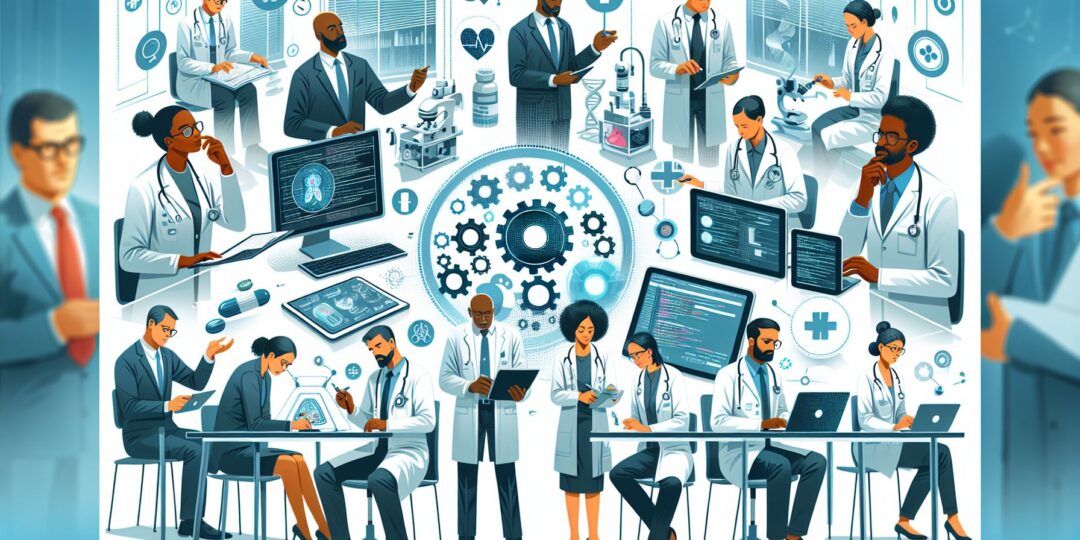
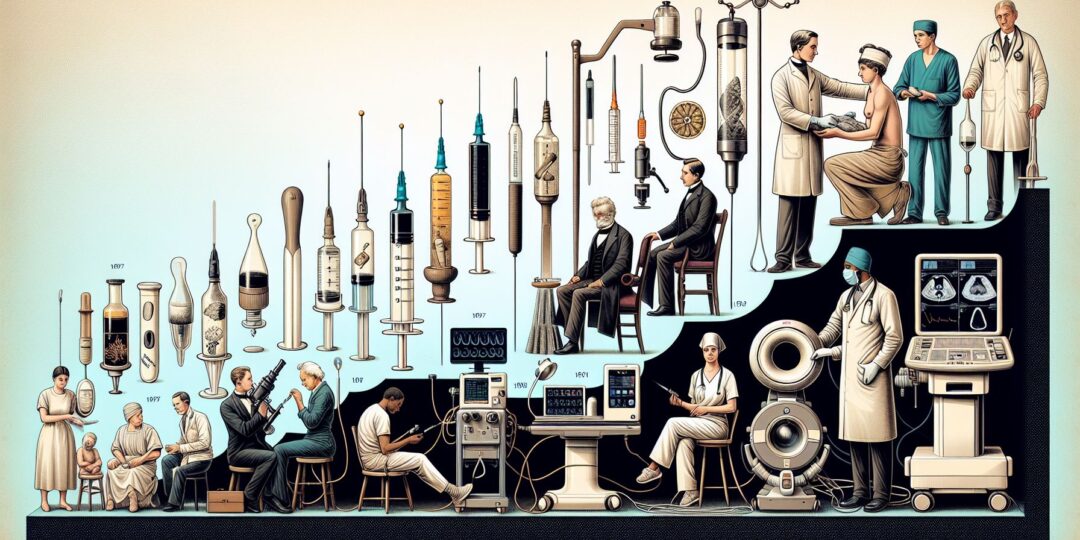
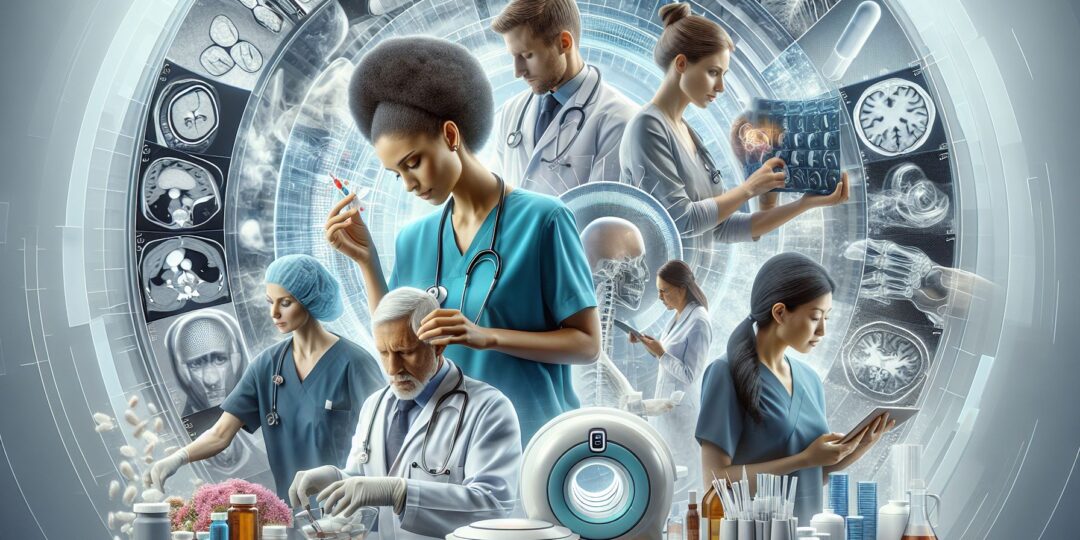
The healthcare industry heavily relies on medical products to diagnose, treat, and prevent various diseases and conditions. These products range from simple disposable items to complex machinery and advanced pharmaceuticals. In this article, we will explore the significance of medical products in the healthcare sector, highlighting their importance and impact on patient care.

Introduction and Importance of Medical Products

Medical products play a crucial role in ensuring effective patient care and improving overall health outcomes. They are the backbone of modern healthcare systems, driving advancements in medical technology, and enabling healthcare professionals to provide accurate diagnoses, perform life-saving interventions, and manage chronic conditions.

From stethoscopes to surgical instruments, bandages to implantable devices, medical products serve a wide range of purposes. They empower healthcare providers by giving them the necessary tools to deliver quality care, while ensuring patient safety and optimal treatment outcomes.

Diagnostic Tools and Medical Devices

One of the primary functions of medical products is to aid in the diagnosis of diseases and conditions. Diagnostic tools such as blood pressure monitors, thermometers, X-ray machines, and ultrasound scanners enable accurate and timely detection of abnormalities, allowing healthcare professionals to develop appropriate treatment plans.

Furthermore, medical devices such as pacemakers, insulin pumps, prosthetics, and hearing aids significantly improve the quality of life for individuals with chronic conditions or disabilities. These devices enhance mobility, restore normal bodily functions, and provide personalized care to patients, giving them the opportunity to lead fulfilling lives.

Pharmaceuticals and Medications

Another crucial aspect of medical products is pharmaceuticals and medications. From over-the-counter drugs for common ailments to complex prescription medications, pharmaceuticals help alleviate symptoms, cure diseases, manage chronic conditions, and prevent the progression of illnesses.

Pharmaceutical advancements have revolutionized modern medicine, introducing groundbreaking treatments for previously untreatable conditions. Medications like antibiotics, vaccines, and antiretroviral therapy have saved countless lives, tackling infectious diseases and significantly reducing mortality rates worldwide.

Ensuring Safety and Quality

The healthcare industry places high priority on ensuring the safety and quality of medical products. Regulatory bodies such as the Food and Drug Administration (FDA) in the United States and the European Medicines Agency (EMA) in Europe enforce strict standards and regulations. These organizations evaluate the efficacy, safety, and manufacturing practices of medical products before granting approval for use and distribution.

This rigorous process ensures that medical products provide the intended benefits without causing harm or adverse effects. Regular inspections, quality control measures, and post-market surveillance help maintain high standards and protect patients from faulty or substandard medical products.

Conclusion

The healthcare industry relies heavily on medical products to deliver quality care, diagnose conditions accurately, and improve health outcomes. Diagnostic tools, medical devices, and pharmaceuticals are all essential components that enable healthcare professionals to provide timely and effective interventions. Additionally, regulatory bodies ensure the safety and quality of medical products, assuring patients that they are in capable hands.

As technology continues to advance, we can expect further innovations in medical products, driving progress in disease management, patient care, and overall healthcare efficiency. Emphasizing the importance of medical products in the healthcare industry helps us appreciate the significant role they play in improving lives and advancing medical science.…

Continue reading

Medical Products: Advancements and Challenges in the Industry

The medical industry is constantly evolving, with new innovations and advancements in medical products playing a significant role in improving patient outcomes. From surgical tools to diagnostic equipment, medical products have undoubtedly revolutionized healthcare. However, this industry also faces unique challenges that require innovative solutions. In this article, we will explore the advancements and challenges in the medical products industry.

Advancements in Medical Products

The field of medical products has witnessed remarkable advancements in recent years, leading to better patient care and improved treatment outcomes. One area that has seen tremendous growth is the development of advanced diagnostic tools. These tools enable healthcare professionals to accurately diagnose diseases and conditions at an early stage, allowing for timely intervention.

In addition to diagnostics, surgical tools have undergone notable advancements. The introduction of minimally invasive techniques has revolutionized surgery, reducing patient trauma, postoperative pain, and recovery time. Tools such as laparoscopes, endoscopes, and robotic surgical systems allow surgeons to perform complex procedures with greater precision, resulting in improved patient safety and outcomes.

Furthermore, the advent of telemedicine and wearable medical devices has transformed the way healthcare is delivered. Patients can now monitor their health conditions remotely, leading to more proactive management of chronic diseases. Also, telemedicine enables patients in remote or underserved areas to access healthcare professionals and specialized medical advice without the need for travel or long waiting times.

Challenges in the Medical Products Industry

While advancements in medical products have undoubtedly brought about numerous benefits, the industry also faces specific challenges that demand attention. One primary concern is the cost of medical products. Many innovative medical devices and technologies come with a hefty price tag, making them inaccessible to certain populations or healthcare systems with limited resources. It is crucial to strike a balance between innovation and affordability to ensure equitable access to these technologies.

Another challenge is the regulation and approval process for medical products. While stringent regulations are necessary for ensuring patient safety, they can sometimes delay the introduction of life-saving innovations in the market. Streamlining the approval process without compromising safety standards would allow for faster access to new medical products. Additionally, it is essential to enhance collaboration between regulatory bodies and industry experts to navigate these challenges successfully.

Conclusion

The medical products industry continues to evolve, mainly due to advancements in technology and innovation. These advancements have significantly improved patient care, diagnosis, and treatment outcomes. However, challenges related to cost, regulation, and access still persist. To tackle these challenges effectively, collaboration between various stakeholders, including regulatory bodies, manufacturers, and healthcare providers, is crucial.

As technology continues to advance, it is essential for the medical products industry to prioritize patient needs and find ways to make innovative solutions more affordable and accessible. Maintaining a delicate balance between innovation, safety, and affordability will pave the way for a future where cutting-edge medical products are widely accessible and ultimately benefit patients worldwide.…

Continue reading
The Evolving Landscape of Medical Products and the Industry

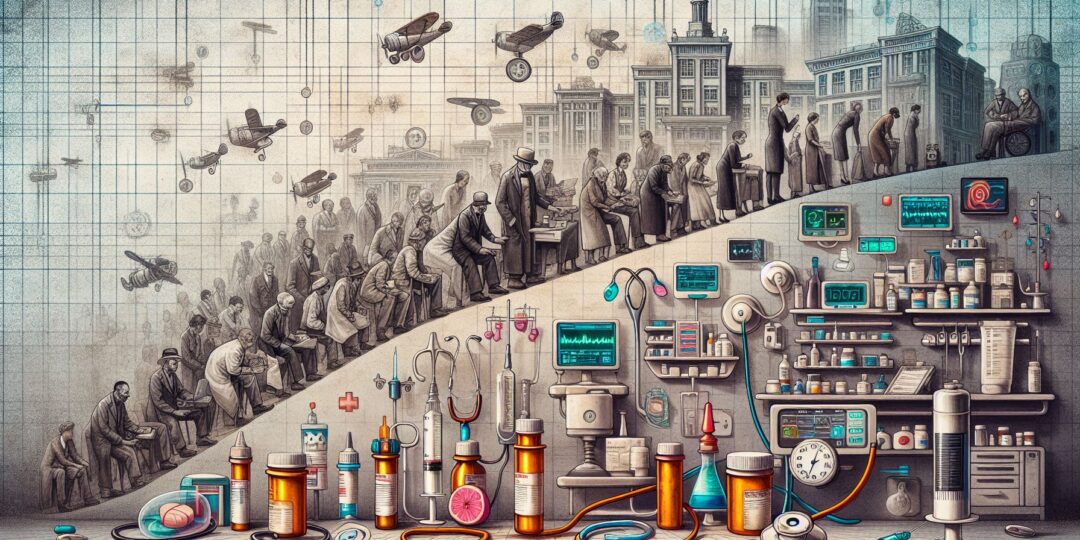
The medical industry is one that is constantly evolving and adapting to the changing needs and demands of society. As technology advances and new discoveries are made, medical products play a crucial role in providing the necessary tools and resources for healthcare professionals to deliver effective and efficient care to their patients. In this blog post, we will explore the significance of medical products and their impact on the industry.

The Importance of Medical Products

Medical products encompass a wide range of instruments, devices, equipment, and supplies used in the diagnosis, treatment, monitoring, and prevention of diseases and medical conditions. From bandages and gloves to advanced imaging machines and surgical robotics, these products are essential for delivering quality healthcare.

One of the key aspects of medical products is their ability to enhance patient outcomes. For instance, the development of minimally invasive surgical tools and robotic-assisted surgeries has revolutionized the field of surgery. These innovations allow for greater precision, reduced scarring, and faster recovery times, ultimately improving patient experiences and overall medical outcomes.

Additionally, medical products play a vital role in infection control and preventing the spread of diseases. Sterile disposable equipment, personal protective gear, and efficient disinfection products are instrumental in safeguarding healthcare providers and patients, especially during times of pandemics or outbreaks.

The Impact of Technological Advancements

Technological advancements have significantly influenced the medical product landscape. The integration of artificial intelligence (AI) and machine learning algorithms has opened up new avenues for improved diagnostics and personalized treatment plans. For instance, AI-driven medical imaging systems can assist radiologists in detecting subtle abnormalities and assisting in the diagnosis of diseases such as cancer at earlier stages.

Furthermore, the internet and the rise of telemedicine have given birth to a new wave of medical products and services. Remote patient monitoring devices, video conferencing software, and connected medical devices allow healthcare professionals to provide care and monitor patients from a distance. This not only improves access to healthcare, particularly in remote areas, but also reduces the burden on physical healthcare facilities.

Challenges and Future Outlook

While medical products have undoubtedly brought numerous advancements to the field, challenges persist. The safety, reliability, and affordability of medical products are of primary concern. Strict regulations and standards have been put in place to ensure the quality and effectiveness of these products. However, ongoing vigilance is required to address potential risks and maintain consumer confidence.

Looking into the future, the medical product industry is set to witness further growth. Rapid advancements in genomics, nanotechnology, and 3D printing hold promise for personalized medicine and the development of custom-made medical products. Moreover, the increasing focus on sustainability and eco-friendly practices is pushing the industry to develop greener and more sustainable medical products.

In conclusion, medical products are an integral part of the healthcare industry, enabling healthcare providers to deliver high-quality care to patients. Technological advancements continue to shape the landscape of medical products, opening up new possibilities and improving patient outcomes. However, challenges remain, and ongoing efforts are required to ensure the safety and accessibility of these products. As we move forward, the pursuit of innovation and sustainability will drive the future of medical products and their impact on the healthcare industry.…

Continue reading

Medical Products and the Ever-Expanding Industry

The medical industry is constantly growing and evolving, with new advancements and innovations in medical products being developed every day. From diagnostic tools to surgical equipment, these medical products play a crucial role in enhancing patient care and improving health outcomes. In this article, we will delve into the world of medical products, exploring their significance, advancements, and impact on the healthcare ecosystem.

The Significance of Medical Products

Medical products encompass a wide range of devices, equipment, and tools used in the diagnosis, treatment, and prevention of diseases and medical conditions. They are instrumental in delivering effective patient care, aiding healthcare providers in accurate diagnoses, efficient surgeries, and streamlined treatment plans. These products not only maximize the efficiency of medical procedures but also contribute to minimizing risks and complications.

Advancements in Medical Products

In recent years, the medical product industry has witnessed remarkable advancements, driven by extensive research, technological breakthroughs, and the demand for better patient outcomes. These advancements have led to the development of cutting-edge medical products that are revolutionizing healthcare.

One area of rapid growth in medical products is digital health. The integration of technology, such as artificial intelligence and the Internet of Things (IoT), into medical devices has paved the way for enhanced patient monitoring, remote healthcare, and improved data analytics. From wearable devices that track vital signs to smart diagnostic tools that analyze medical images, digital health is transforming the way we approach healthcare.

Another notable advancement is the development of minimally invasive surgical techniques, which have spurred the demand for specialized surgical instruments and equipment. These tools enable surgeons to perform complex procedures with smaller incisions, resulting in less trauma, reduced recovery times, and improved patient satisfaction.

Impact on the Healthcare Ecosystem

The continuous advancement of medical products has a profound impact on the entire healthcare ecosystem. Patients benefit from improved diagnostic accuracy, personalized treatment options, and increased accessibility to healthcare services, resulting in better overall care and improved health outcomes.

Healthcare providers, on the other hand, can leverage innovative medical products to enhance their efficiency and effectiveness. With advanced technology at their disposal, physicians can make more informed decisions, ensure better patient outcomes, and optimize resource utilization.

Moreover, the medical product industry plays a vital role in the economy, driving economic growth and providing employment opportunities. The demand for medical products continues to rise, creating a market that fosters innovation, research, and development.

Conclusion

The development and utilization of medical products are crucial for the advancement of healthcare. The continuous advancements in this industry not only enhance patient care and outcomes but also create a path for future innovation and discovery. As technology continues to evolve, we can expect even more groundbreaking medical products that will reshape the healthcare landscape. The collaboration between medical professionals, researchers, and manufacturers remains pivotal in driving progress and ensuring that these products continue to transform the lives of patients worldwide.…

Continue reading
The Evolution of Medical Products and the Booming Healthcare Industry

The medical products industry has seen a significant transformation in recent years, driven by rapid technological advancements and the ever-increasing demand for innovative healthcare solutions. From cutting-edge equipment to groundbreaking pharmaceuticals, these products have revolutionized the way we approach medical treatment, ultimately improving patient outcomes and transforming the healthcare landscape.

The Growing Need for Medical Products

The global demand for medical products has surged due to multiple factors. Firstly, an aging population has placed a greater strain on healthcare systems, necessitating advancements in medical products to meet the needs of a larger patient base. Additionally, the rising incidence of chronic diseases and the continuous pursuit of enhanced healthcare services have further fueled the growth of this industry.

Technological Advancements Driving Innovation

The medical product industry owes much of its progress to groundbreaking technological advancements. From state-of-the-art diagnostic equipment to minimally invasive surgical tools, the industry continues to push boundaries.

One notable innovation is the development of telemedicine and remote patient monitoring systems. These technological marvels allow doctors to monitor patients from afar, significantly reducing the need for frequent hospital visits. Patients can now receive high-quality care from the comfort of their own homes, expediting recovery and lowering the overall cost of healthcare.

Furthermore, the integration of artificial intelligence (AI) has revolutionized the interpretation of medical data. Machine learning algorithms can quickly analyze vast amounts of patient information, aiding in the early detection and treatment of diseases. AI also plays a critical role in optimizing healthcare operations, streamlining workflows, and enhancing patient experiences.

Pharmaceutical Breakthroughs

Pharmaceutical companies have also played a pivotal role in the evolution of medical products. Innovative drugs have emerged, targeting diseases that were previously difficult to treat. From immunotherapies to gene therapies, these advancements have transformed the landscape of medicine.

Precision medicine is another area that has gained significant attention. By tailoring medical treatments based on an individual’s genetic makeup, doctors can optimize therapy, minimize side effects, and achieve better patient outcomes. This personalized approach to medicine has the potential to revolutionize the treatment of various diseases, including cancer and inherited disorders.

The Booming Healthcare Industry

As the medical products industry continues to thrive, the healthcare industry as a whole has experienced remarkable growth. The increased accessibility and availability of these products have expanded the range of services offered by healthcare providers. Moreover, the demand for skilled medical professionals, such as researchers and technicians, has soared, leading to the creation of numerous job opportunities.

Investors have also recognized the vast potential in the healthcare sector, resulting in substantial investments in medical product companies. Innovators and entrepreneurs are constantly pushing the boundaries of technology, fostering the development of groundbreaking products.

Conclusion

The medical products industry has come a long way, driven by technological advancements and the increasing healthcare needs of a growing population. Through transformative products and innovative solutions, this industry continues to unlock new possibilities in the diagnosis, treatment, and prevention of diseases. As we move forward, the relentless pursuit of medical advancements promises a future where healthcare is more accessible, efficient, and effective than ever before.…

Continue reading

The Importance of Medical Products in the Healthcare Industry

As healthcare advancements continue to transform the medical field, the importance of medical products in delivering optimal patient care cannot be overstated. From surgical equipment to pharmaceuticals, these products play pivotal roles in ensuring the well-being of individuals across the world. In this article, we will explore the significance of medical products in the healthcare industry and how they contribute to improving patient outcomes.

The Role of Medical Products in Diagnosis and Treatment

Medical products are essential in diagnosing and treating various medical conditions. For instance, advanced imaging technologies such as MRI and CT scanners provide accurate visualization of internal organs, allowing medical professionals to make accurate diagnoses. Diagnostic tests and laboratory equipment are also fundamental, enabling healthcare providers to detect and monitor diseases such as cancer, diabetes, or infectious diseases effectively.

Once a diagnosis is made, medical products continue to play a vital role in treatment. From surgical instruments and prosthetics to medication and vaccines, these products help in alleviating symptoms, curing diseases, and improving patients’ quality of life. The development and availability of innovative medical products have revolutionized treatment methods, enabling more precise and less invasive procedures with faster recovery times.

Patient Safety and Infection Control

One of the core responsibilities of medical products is to ensure patient safety and prevent infections. As healthcare-associated infections pose a significant risk to patients, maintaining strict infection control protocols with the help of medical products becomes crucial. Items like gloves, masks, and sterile equipment are indispensable in reducing the spread of infections among healthcare providers and patients.

Furthermore, medical products, such as sterile disposables, prevent cross-contamination and reduce the risk of transmitting infections within healthcare settings. By adhering to rigorous sterilization and hygiene practices, medical products safeguard patients’ health during hospital stays, surgical procedures, and even routine check-ups.

Advancements in Medical Technology

The healthcare industry constantly evolves, and so does the technology behind medical products. The rapid progress in medical technology has led to the development of groundbreaking products that enhance patient care. For instance, the introduction of electronic health records (EHRs) has revolutionized patient documentation, allowing for seamless and secure data sharing between healthcare providers. This ensures effective communication, reduces medical errors, and increases overall efficiency in healthcare settings.

Moreover, the rise of telemedicine has paved the way for remote patient monitoring and virtual consultations. With the aid of specialized medical devices, patients can receive necessary medical care from the comfort of their homes, particularly beneficial for those with limited mobility or living in remote areas. These innovations have significantly expanded healthcare accessibility and improved patient outcomes.

Conclusion

In conclusion, medical products are vital components of the healthcare industry, playing indispensable roles in diagnosis, treatment, patient safety, and technological advancements. As technology continues to advance, we can expect further breakthroughs that will revolutionize patient care and transform healthcare delivery. The continuous development and utilization of medical products provide hope for a healthier, more efficient, and patient-centered future in the medical field.…

Continue reading

Understanding the Dress Code: Elegance and Ease in the Cayman Islands

Imagine a place where the ocean meets the sky, the sun kisses the sandy beaches, and the breeze whispers through the palm trees—a paradise known as the Cayman Islands. It’s a destination that beckons not only with its natural beauty but also with its unique blend of elegance and ease, especially when it comes to thedress code Cayman Islands. Visitors often wonder how to strike the perfect balance between comfort and sophistication in this tropical utopia. Well, in this article, we’re going to unravel the sartorial secrets that literally embody the spirit of the Cayman Islands.

The Spirit of Island Elegance

When you think of island attire, you might conjure up images of colorful sarongs, wide-brimmed hats, and flip-flops. However, the Cayman Islands offer a touch of refinement that blends seamlessly with their laid-back vibe. Here, island elegance means embracing breathable fabrics, vibrant colors, and chic styles that transition effortlessly from beach to bar. After all, the islands boast a perpetual summer, and the dress code reflects this warm, tropical climate.

  • Light and Airy Fabrics: Linen and cotton reign supreme, keeping you cool and comfortable as you navigate the island life.
  • Bold and Bright Colors: Reflect the hues of the Caribbean in your attire with bold prints and vibrant colors that echo the island’s natural beauty.
  • Effortless Style: Think sundresses, casual button-down shirts, and espadrilles that offer style without compromise.

Navigating Different Events

The Cayman Islands, while being a haven of relaxation, also provide an array of events that call for a more polished appearance. Whether attending a beachfront wedding, dining at a world-class restaurant, or exploring the local nightlife, understanding the dress code for each occasion is crucial.

  1. Beach Weddings: Opt for light, flowing dresses or linen suits that capture the occasion’s romantic essence.
  2. Fine Dining: Men might consider a blazer over a crisp shirt, while women can choose an elegant evening dress.
  3. Local Nightlife: Casual but stylish attire, like a fashionable blouse or a pair of tailored shorts, will have you fitting in perfectly.

Cultural Considerations

While the Cayman Islands embrace a laid-back lifestyle, it’s vital to consider cultural sensitivities. Dressing conservatively in formal settings or when visiting historic sites demonstrates respect for local customs. The islands are literally a blend of modernity and tradition, and visitors are encouraged to reflect this in their attire.

Practical Tips for Packing

When packing for the Cayman Islands, it’s important to think strategically. You want to ensure your suitcase includes essentials that align with the island’s dress code but also accommodate casual relaxation days.

  • Sunscreen: Protect your skin while complementing your beach-ready attire.
  • Swimwear: Multiple pieces allow flexibility in enjoying both beach and pool.
  • Accessories: Sunglasses and a wide-brimmed hat add flair and functionality to any outfit.

A Stylish Farewell: Leaving a Lasting Impression

As you prepare to return home, the memories of sun-soaked days and elegant evenings in the Cayman Islands will linger, much like the warm breeze. When you reflect on your trip, you’ll recall a wardrobe that was as versatile and vivacious as the islands themselves. Embodying the spirit of this paradise means more than following a set dress code; it means embracing a lifestyle that celebrates elegance and ease in every moment. So, next time …

Continue reading