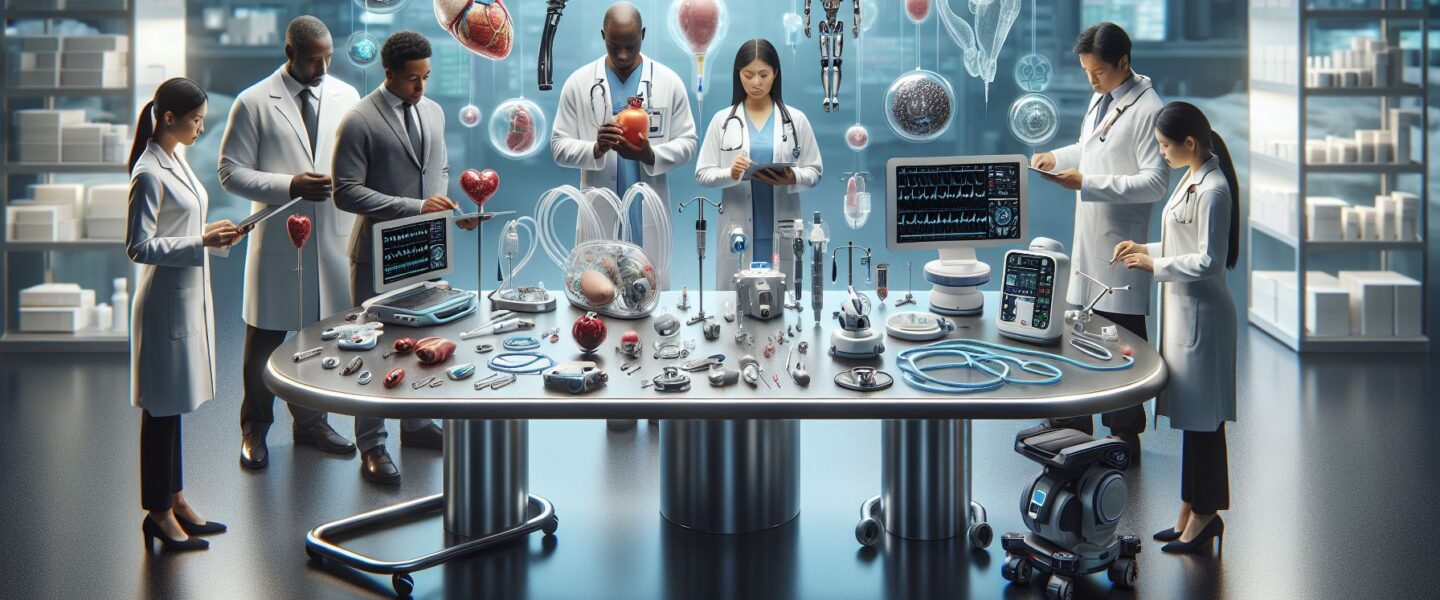
The field of medicine has made tremendous strides over the years, thanks to the continuous development of medical products. These products play a crucial role in providing healthcare professionals with the necessary tools to diagnose, treat, and prevent various medical conditions. From simple bandages to high-tech imaging devices, the medical industry is constantly improving and innovating to save lives.
The Importance of Medical Products
Medical products encompass a broad range of items that are essential for patient care. They include diagnostic tools, pharmaceuticals, surgical equipment, prosthetics, and more. These products not only aid in the treatment of diseases and injuries but also enhance the overall quality of patient care.
Accurate and fast diagnosis is the cornerstone of effective treatment. Diagnostic tools such as blood tests, imaging machines, and genetic tests enable healthcare professionals to identify health issues with precision. This early detection allows for timely intervention and improved patient outcomes.
Pharmaceuticals are also vital medical products. From painkillers to life-saving antibiotics, these medications help alleviate symptoms, cure diseases, and prevent their recurrence. Ongoing research and development in the pharmaceutical industry continually provide new drugs that extend and improve the lives of patients worldwide.
Surgical and medical equipment are critical components of any healthcare facility. High-quality instruments, whether used in surgery or routine medical examinations, ensure accuracy, minimize risks, and increase surgical success rates. Moreover, prosthetic devices such as artificial limbs and hearing aids allow individuals with disabilities to regain independence, facilitating their integration into society.
Innovations Driving the Medical Industry
The medical industry is fueled by constant innovation. Technological advancements have revolutionized the production of medical products, resulting in improved quality, affordability, and accessibility.
One notable innovation is the development of telemedicine. Through telecommunication technology, patients can access medical consultations remotely, allowing healthcare providers to reach underserved areas and provide expert care. Telemedicine also facilitates monitoring, empowering patients to play a more active role in their own healthcare.
Another groundbreaking advancement is the use of Artificial Intelligence (AI) in medical products. AI algorithms enable early detection of diseases and provide accurate treatment recommendations. Machine learning algorithms can analyze vast amounts of patient data to identify patterns and predict health outcomes, ultimately optimizing patient care.
The introduction of 3D printing technology has also been a game-changer in the medical industry. It allows for the creation of customized prosthetics, surgical models, and even patient-specific organ replicas for preoperative planning. This technology not only saves time but significantly reduces costs associated with traditional manufacturing techniques.
Conclusion
Medical products and the industry as a whole play a paramount role in advancing healthcare. From innovative diagnostic tools to life-saving pharmaceuticals, these products contribute to the early detection, treatment, and prevention of diseases. The continuous advancements in technology and research allow for exciting developments, such as telemedicine, AI integration, and 3D printing. As we move forward, we can expect medical products to continue evolving, enabling healthcare professionals to provide even better care to patients worldwide.