Category: General

Advancements in Medical Products and Industry

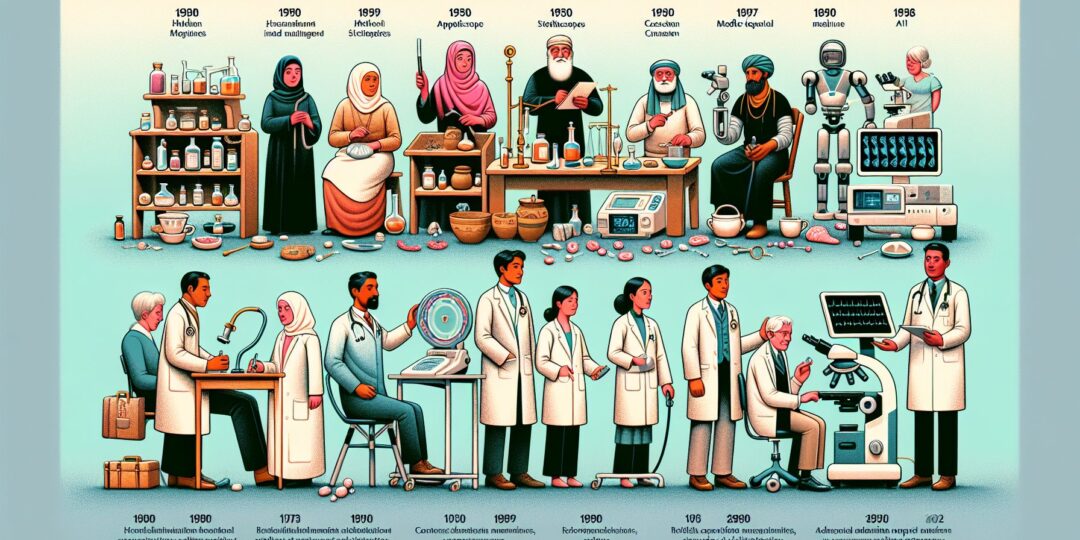
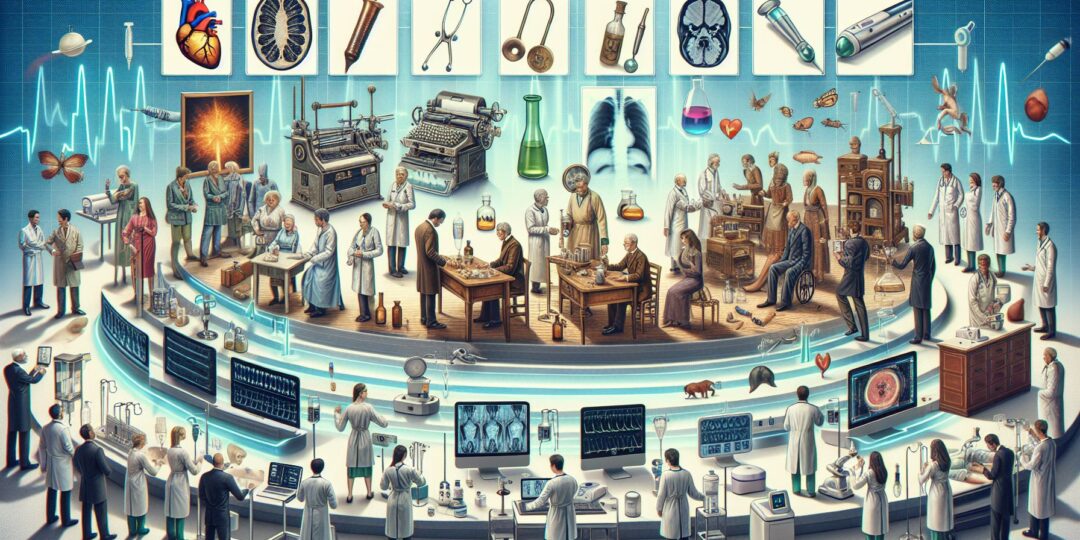
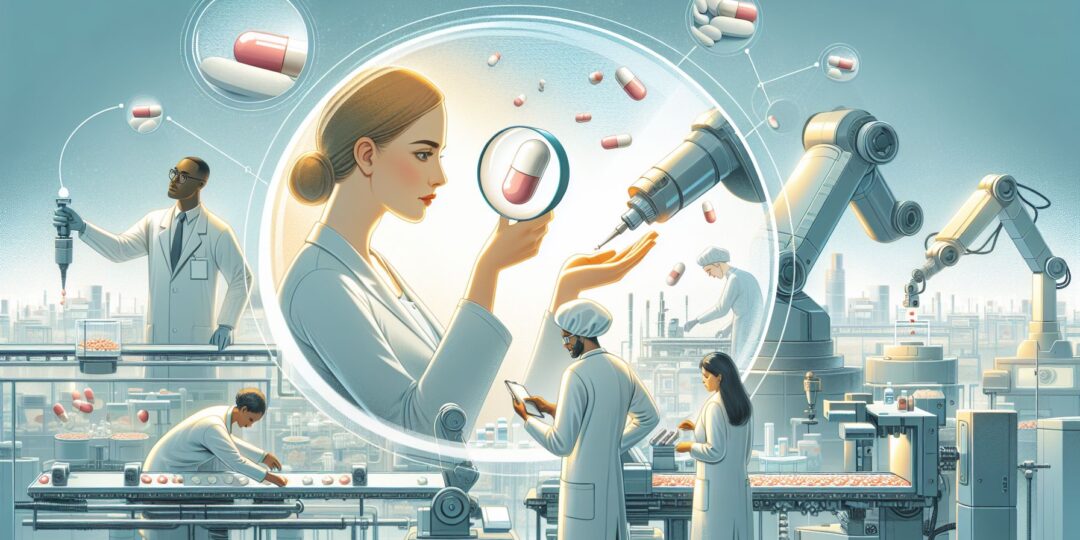
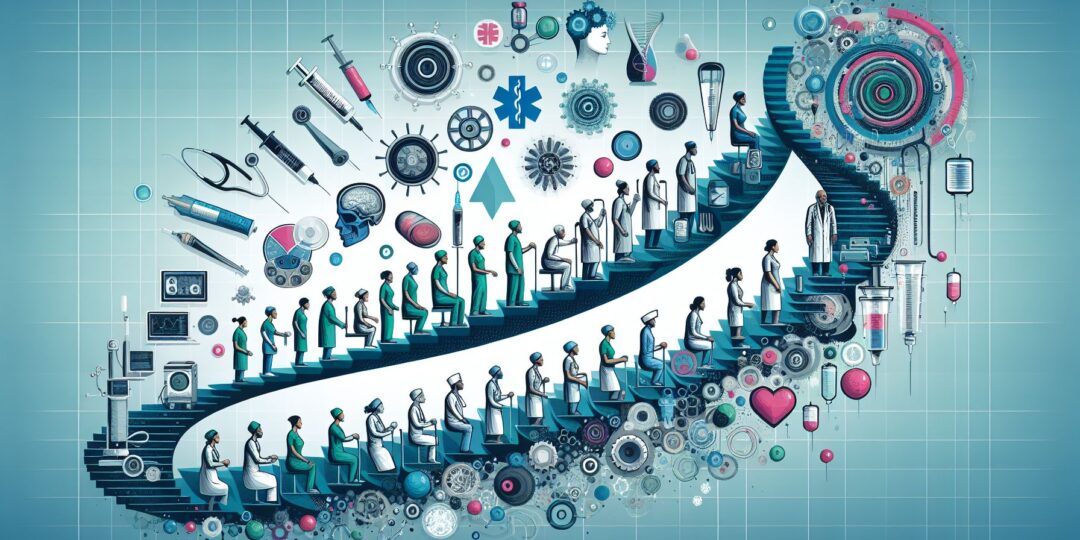
The field of medical products and industry has seen significant advancements in recent years, revolutionizing the way healthcare is delivered and improving patient outcomes. From cutting-edge medical devices to innovative pharmaceuticals, these developments have the potential to transform the way we approach healthcare.

One area that has seen substantial growth in recent years is the development of medical devices that leverage technology to enhance patient care. For example, the advent of wearable technology has allowed for continuous monitoring of vital signs, providing healthcare providers with real-time data to better manage chronic conditions such as diabetes or heart disease. Similarly, robotic surgical systems have enabled surgeons to perform minimally invasive procedures with greater precision, reducing recovery times and improving patient outcomes.

In addition to medical devices, the pharmaceutical industry has also experienced significant advancements in recent years. The development of personalized medicine, for example, has allowed for more targeted and effective treatments for a variety of conditions, including cancer and autoimmune diseases. This personalized approach takes into account a patient’s unique genetic makeup, allowing for treatments that are tailored to their specific needs.

Furthermore, the rise of biotechnology has led to the development of groundbreaking therapies, such as gene editing techniques like CRISPR, which have the potential to cure genetic diseases that were once thought to be untreatable. These advancements have opened up new possibilities for patients with rare diseases and have the potential to revolutionize the field of medicine.

Despite these advancements, the medical products and industry face their own set of challenges. From regulatory hurdles to the high costs of research and development, bringing new products to market can be a daunting task. Additionally, issues such as data privacy and cybersecurity are of increasing concern as more medical devices become connected to the internet.

As we look to the future, it is clear that the medical products and industry will continue to evolve and innovate, with new technologies and treatments on the horizon. By leveraging the power of technology and collaboration, we have the potential to improve patient outcomes, reduce healthcare costs, and ultimately, transform the way we approach healthcare.

In conclusion, the advancements in medical products and industry have the potential to revolutionize the field of healthcare, improving patient outcomes and transforming the way we approach treatment. While there are challenges that must be overcome, the future looks bright for the medical products and industry as we continue to innovate and bring new technologies to market.…

Continue reading


The growing importance of medical products and industry

The medical products industry plays a crucial role in the healthcare sector, providing the tools and technology necessary for the diagnosis, treatment, and prevention of various medical conditions. From innovative medical devices to cutting-edge pharmaceuticals, these products are essential for maintaining and improving the health of individuals around the world.

In recent years, the demand for medical products has been on the rise due to factors such as an aging population, increasing prevalence of chronic diseases, and advancements in medical technology. As a result, the industry has experienced significant growth and innovation, with new products entering the market on a regular basis.

One of the key areas of focus within the medical products industry is research and development. Companies are constantly investing in R&D to develop new and improved products that meet the changing needs of healthcare providers and patients. This includes everything from the creation of more effective drugs and medical devices to the development of medical software and diagnostic tools.

In addition to R&D, regulatory compliance is another important aspect of the medical products industry. Companies must adhere to strict regulations and standards set by government agencies to ensure the safety and efficacy of their products. This includes obtaining the necessary approvals and certifications before bringing a new product to market.

The medical products industry is also influenced by factors such as pricing, reimbursement, and market access. Healthcare providers, payers, and patients all play a role in determining the success of a product, and companies must navigate these complexities to ensure their products are accessible and affordable to those who need them.

Overall, the medical products industry plays a vital role in the healthcare ecosystem, providing the tools and technology necessary for the delivery of high-quality care. As the industry continues to evolve and grow, it is important for companies to stay ahead of the curve by investing in R&D, staying compliant with regulations, and adapting to the changing needs of the market.

In conclusion, the medical products industry is a dynamic and essential component of the healthcare sector. With the increasing demand for innovative products and technologies, companies must continue to invest in research, development, and regulatory compliance to meet the needs of healthcare providers and patients. By staying ahead of the curve, the industry can continue to make a positive impact on the health and well-being of individuals worldwide.…

Continue reading

The Essential Role of Medical Products in the Healthcare Industry

The healthcare industry relies heavily on the production and distribution of various medical products to ensure the well-being of patients and the effectiveness of medical treatments. From basic supplies like bandages and syringes to cutting-edge technology such as MRI machines and surgical robots, medical products play a crucial role in delivering high-quality healthcare services.

The range of medical products available on the market is vast, catering to the diverse needs of patients and healthcare providers. For instance, medical consumables like gloves, gauze, and swabs are essential for maintaining a sterile environment and preventing infections during medical procedures. Similarly, medical equipment such as stethoscopes, thermometers, and blood pressure monitors are indispensable tools for diagnosing and monitoring patients’ health conditions.

In recent years, the healthcare industry has witnessed significant advancements in medical technology, leading to the development of innovative medical products that have revolutionized patient care. For example, medical imaging devices like X-ray machines, CT scanners, and ultrasound machines provide healthcare professionals with detailed insights into patients’ internal structures, aiding in the diagnosis and treatment of various medical conditions.

Furthermore, the advent of digital health technologies has paved the way for new and improved medical products that enhance communication between patients and healthcare providers, streamline administrative processes, and improve the overall quality of care. Electronic health records, telemedicine platforms, and wearable health devices are just a few examples of how technology is reshaping the healthcare landscape and driving innovation in the medical products sector.

Despite the significant progress made in the field of medical products, the industry faces numerous challenges, including regulatory hurdles, quality control issues, and supply chain disruptions. Manufacturers of medical products must adhere to strict regulatory standards imposed by government agencies to ensure the safety and efficacy of their products. Additionally, maintaining consistent quality control measures throughout the production process is essential to prevent defects and ensure product reliability.

In conclusion, medical products are indispensable components of the healthcare industry, enabling healthcare professionals to deliver high-quality care and improve patient outcomes. With ongoing advancements in medical technology and a growing demand for innovative healthcare solutions, the medical products industry will continue to play a vital role in shaping the future of healthcare delivery. By addressing key challenges and embracing new opportunities, manufacturers of medical products can contribute to the advancement of medical science and the well-being of patients worldwide.…

Continue reading

The Evolution of Medical Products and the Booming Industry

The medical products industry has experienced tremendous growth and evolution over the past few decades. With advancements in technology, research, and innovation, medical products have become more sophisticated, efficient, and effective in improving patient outcomes and promoting overall health and well-being.

One of the key drivers of the growth in the medical products industry is the increasing demand for healthcare services and products due to the aging population, rising prevalence of chronic diseases, and growing awareness of the importance of preventive care. As a result, companies are investing heavily in research and development to create cutting-edge medical products that can address these healthcare challenges.

Advancements in medical technology have also played a significant role in shaping the medical products industry. From state-of-the-art diagnostic tools and imaging equipment to minimally invasive surgical procedures and implantable devices, technology has revolutionized the way healthcare providers diagnose, treat, and manage various medical conditions. These technological innovations have not only improved patient care but have also increased the efficiency and effectiveness of healthcare delivery.

In addition to technological advancements, regulatory changes and market forces have also had a profound impact on the medical products industry. Stricter government regulations, increased competition, and changing consumer preferences have forced companies to constantly innovate and adapt to stay competitive in the market. This has led to a greater emphasis on quality, safety, and cost-effectiveness in the development and manufacturing of medical products.

The medical products industry encompasses a wide range of products, including pharmaceuticals, medical devices, diagnostic tools, and healthcare equipment. These products are vital in diagnosing, treating, and managing various medical conditions, from common illnesses to life-threatening diseases. They play a crucial role in improving patient outcomes, enhancing quality of life, and reducing healthcare costs.

Looking ahead, the future of the medical products industry looks promising, with continued advancements in technology, research, and innovation driving growth and expansion. As the healthcare landscape continues to evolve, the demand for innovative medical products will only continue to grow, creating opportunities for companies to develop new and improved products that can address the ever-changing needs of patients and healthcare providers.

In conclusion, the medical products industry has come a long way in recent years, thanks to advancements in technology, research, and innovation. With the demand for healthcare products on the rise, companies are investing heavily in developing cutting-edge medical products that can improve patient outcomes and drive growth in the industry. As we look towards the future, the medical products industry is poised for continued success and expansion, as companies strive to meet the evolving needs of the global healthcare market.…

Continue reading

The Impact of Medical Products and Industry on Healthcare

The medical products and industry play a crucial role in the healthcare system, providing healthcare professionals with the tools and technology they need to diagnose, treat, and prevent illnesses. From diagnostic equipment to pharmaceuticals and medical devices, these products are essential in improving patient outcomes and quality of life.

In recent years, the medical products and industry have evolved rapidly, with advancements in technology and innovation driving new developments in healthcare. This has led to the introduction of cutting-edge products that have revolutionized the way healthcare is delivered. For example, advanced imaging technologies such as MRI and CT scans have enabled doctors to more accurately diagnose and treat a wide range of medical conditions.

In addition, the pharmaceutical industry has made significant advancements in drug development, leading to the creation of new medications that target specific diseases and conditions. These breakthroughs have brought about major improvements in patient care and outcomes, particularly in areas such as cancer treatment, chronic disease management, and infectious diseases.

Furthermore, medical devices such as pacemakers, artificial organs, and prosthetics have greatly improved the quality of life for patients with chronic conditions or disabilities. These devices not only improve patient mobility and function but also help to reduce the need for lengthy hospital stays and costly medical procedures.

Despite the many benefits of medical products and industry, there are also challenges that must be addressed. One key issue is the high cost of these products, which can place a significant burden on patients and healthcare systems. This is particularly true for innovative therapies and technologies that may not be covered by insurance or government programs.

Another challenge is ensuring the safety and efficacy of medical products, as regulatory standards and oversight are crucial in preventing harm to patients. The industry must adhere to strict guidelines and quality standards to ensure that products are safe, effective, and reliable.

Overall, the medical products and industry are vital components of the healthcare system, driving innovation and advancements that improve patient care and outcomes. By addressing challenges such as cost and safety, the industry can continue to play a key role in shaping the future of healthcare and driving positive change for patients around the world.…

Continue reading

The Evolution and Impact of Medical Products in the Healthcare Industry

The healthcare industry has seen significant advancements over the years, with the introduction of various medical products making a tremendous impact on patient care, diagnosis, and treatment. From diagnostic tools to surgical instruments, medical products play a crucial role in improving health outcomes and enhancing the quality of life for patients.

One of the most notable advancements in the medical products industry is the development of innovative medical devices. These devices are designed to aid in the diagnosis, monitoring, and treatment of various medical conditions. For instance, the introduction of advanced imaging technology such as MRI and CT scans has revolutionized the way healthcare providers can visualize and diagnose internal injuries or illnesses. Similarly, the development of minimally invasive surgical instruments has made surgeries safer, less invasive, and more precise.

In addition to medical devices, pharmaceutical products have also played a vital role in improving patient outcomes. The development of new and improved drugs has revolutionized the treatment of various diseases, from antibiotics to treat infections to cancer-fighting drugs that target specific genetic mutations. These pharmaceutical products have not only extended the life expectancy of patients but have also improved their overall quality of life.

Furthermore, the emergence of digital health technologies has reshaped the way healthcare is delivered. Telemedicine platforms, wearable devices, and health apps have made healthcare more accessible and convenient for patients. These technologies allow for remote monitoring of patient health, virtual consultations with healthcare providers, and personalized treatment plans based on real-time data.

The medical products industry continues to evolve rapidly, driven by advancements in technology, research, and innovation. However, with these advancements come challenges such as ensuring patient safety, regulatory compliance, and cost-effectiveness. Manufacturers must adhere to strict regulatory guidelines to ensure the safety and efficacy of their products while also navigating the complexities of healthcare systems and reimbursement policies.

In conclusion, medical products have revolutionized the healthcare industry, enabling healthcare providers to deliver better care and improve patient outcomes. From diagnostic tools to pharmaceutical products to digital health technologies, medical products play a critical role in advancing medicine and enhancing the well-being of patients. As the industry continues to evolve, it is vital for manufacturers, healthcare providers, and regulatory bodies to work together to harness the full potential of medical products in improving healthcare delivery and patient outcomes.…

Continue reading

Advancements in Medical Products and the Pharmaceutical Industry

The medical products and pharmaceutical industry has seen significant advancements in recent years, with new technologies and innovations constantly being developed to improve patient care and treatment outcomes. From cutting-edge medical devices to groundbreaking medications, these advancements are revolutionizing the way we approach healthcare.

In the field of medical devices, there have been great strides in the development of minimally invasive surgical procedures. This has not only reduced patient recovery times and post-operative pain but has also improved surgical precision and outcomes. Robotic surgery, for example, has allowed surgeons to perform complex procedures with greater accuracy and control, leading to better patient outcomes and shorter hospital stays.

Additionally, advances in diagnostic technologies have made it easier for healthcare providers to detect and treat diseases at earlier stages. Innovations in imaging technologies, such as magnetic resonance imaging (MRI) and computed tomography (CT) scans, have allowed for more accurate diagnosis and treatment planning. Genetic testing has also become more commonplace, allowing for personalized treatment plans based on an individual’s unique genetic makeup.

In the pharmaceutical industry, the development of new medications has also been a driving force in improving patient outcomes. From groundbreaking cancer therapies to innovative treatments for chronic diseases, pharmaceutical companies are constantly pushing the boundaries of what is possible in healthcare. The development of biologic medications, which are derived from living organisms, has opened up new possibilities for treating complex diseases such as cancer and autoimmune disorders.

Advancements in drug delivery systems have also made it easier for patients to adhere to their treatment plans. From long-acting injectables to implantable devices, these technologies are making it easier for patients to receive the medications they need without the burden of daily injections or pills. This has led to improved patient outcomes and quality of life for many individuals with chronic conditions.

Overall, the advancements in medical products and the pharmaceutical industry are transforming the way we approach healthcare. From improved surgical techniques to personalized treatment plans, these innovations are providing patients with better outcomes and a higher quality of life. As technology continues to evolve, we can expect even more groundbreaking developments in the years to come, further revolutionizing the way we deliver healthcare to patients around the world.…

Continue reading

The Evolving Landscape of Medical Products and Industry

The medical industry is constantly evolving, with new technologies and products being introduced to improve patient care, increase efficiency, and reduce costs. From life-saving devices to innovative medications, the range of medical products available today is vast and diverse.

One of the key drivers of innovation in the medical industry is the growing demand for personalized medicine. Advances in genomics and other areas of research have enabled healthcare providers to tailor treatments to individual patients based on their unique genetic makeup. This has led to the development of targeted therapies for conditions such as cancer, where traditional treatments have been less effective.

In addition to personalized medicine, the medical products industry has also seen a rise in the use of digital health technologies. From wearable devices that monitor vital signs to telemedicine platforms that allow patients to consult with healthcare providers remotely, these technologies are changing the way healthcare is delivered. They not only make it easier for patients to access care but also enable providers to gather more data and make better-informed treatment decisions.

Advances in manufacturing processes have also had a significant impact on the medical products industry. 3D printing, for example, has revolutionized the production of prosthetics, implants, and other medical devices. This technology allows for the creation of complex, customized products that are more durable and less expensive than traditional manufacturing methods.

Despite these advancements, the medical products industry faces a number of challenges. Regulatory hurdles, changing reimbursement models, and increasing competition from generic products all contribute to the complexity of bringing new products to market. Additionally, the high cost of researching and developing new treatments can make it difficult for smaller companies to compete with larger, more established manufacturers.

To address these challenges, companies in the medical products industry are increasingly turning to partnerships and collaborations. By working together, companies can pool their resources and expertise to bring innovative products to market more quickly and efficiently. These partnerships not only benefit the companies involved but also have the potential to improve patient outcomes and reduce healthcare costs.

In conclusion, the medical products industry is a dynamic and rapidly evolving field that plays a crucial role in improving the quality of healthcare worldwide. From personalized medicine to digital health technologies, the industry is at the forefront of innovation, driving advancements that benefit both patients and healthcare providers. By embracing new technologies, collaborating with others, and overcoming regulatory hurdles, companies in the medical products industry can continue to make a positive impact on the health and well-being of people everywhere.…

Continue reading

Advancements in the Medical Products and Industry

The medical products industry plays a crucial role in providing healthcare professionals with the tools they need to diagnose, treat, and manage a wide range of medical conditions. From life-saving devices like pacemakers and ventilators to everyday items like bandages and syringes, the medical products industry is constantly evolving to meet the ever-changing needs of the healthcare industry.

One of the key drivers of innovation in the medical products industry is the increasing demand for personalized medicine. As our understanding of genetics and human biology grows, healthcare professionals are able to tailor treatment plans to individual patients based on their unique genetic makeup. This has led to the development of a wide range of new medical products, from genetic testing kits to targeted therapies that can zero in on specific genetic mutations.

Another major trend in the medical products industry is the growing focus on sustainability and environmental responsibility. As the healthcare industry becomes more aware of its impact on the environment, there is an increasing push to develop medical products that are eco-friendly and sustainable. This includes everything from reusable medical devices to biodegradable packaging materials.

In recent years, the medical products industry has also seen a surge in the development of digital health products. From wearable fitness trackers to telemedicine platforms, technology is playing an increasingly important role in how healthcare is delivered. This trend is expected to continue as more healthcare providers adopt digital health solutions to improve patient outcomes and streamline the delivery of care.

Despite these advancements, the medical products industry still faces a number of challenges. One of the biggest challenges is ensuring that medical products are safe and effective. With so many new products entering the market every year, regulatory agencies like the FDA play a crucial role in ensuring that these products meet strict safety and efficacy standards.

In conclusion, the medical products industry is a dynamic and rapidly evolving field that plays a critical role in the delivery of healthcare. With advancements in personalized medicine, sustainability, and digital health, the industry is well-positioned to continue driving innovation and improving patient outcomes in the years to come. By staying ahead of the curve and embracing new technologies, the medical products industry is poised to make a significant impact on the future of healthcare.…

Continue reading

The Importance of Medical Products in the Healthcare Industry

The healthcare industry relies heavily on the availability and efficacy of medical products to deliver quality care to patients. From pharmaceuticals to medical devices, these products play a crucial role in the diagnosis, treatment, and prevention of various medical conditions. In this blog post, we will discuss the importance of medical products in the healthcare industry.

Introduction

Medical products encompass a wide range of items used in the healthcare sector, including pharmaceuticals, medical devices, diagnostic tools, and equipment. These products are essential for healthcare professionals to provide accurate diagnosis, effective treatment, and optimal care for patients. Without access to quality medical products, the healthcare industry would not be able to function effectively.

Body

One of the key roles of medical products in the healthcare industry is in disease prevention and treatment. Pharmaceuticals, such as antibiotics, anti-inflammatory drugs, and vaccines, are crucial for treating various medical conditions and preventing the spread of infectious diseases. Medical devices, such as MRI machines, ultrasound scanners, and surgical instruments, are essential for diagnosing and treating injuries and illnesses.

In addition to disease prevention and treatment, medical products also play a vital role in improving patient outcomes and quality of life. For example, prosthetic limbs and orthopedic implants allow individuals to regain mobility and functionality after an injury or surgery. Medical products such as insulin pumps and blood glucose monitors help individuals with diabetes manage their condition effectively.

Moreover, the development and innovation of medical products drive advancements in healthcare technology and research. New pharmaceuticals, medical devices, and diagnostic tools are constantly being developed to improve patient care, enhance treatment outcomes, and revolutionize healthcare practices. These advancements not only benefit patients but also contribute to the growth and evolution of the healthcare industry as a whole.

Conclusion

In conclusion, medical products are essential for the delivery of quality healthcare services and the advancement of medical science. From pharmaceuticals to medical devices, these products play a crucial role in disease prevention, treatment, and management. The healthcare industry relies on the availability and efficacy of medical products to provide optimal care for patients and drive innovation in healthcare technology. As the demand for healthcare services continues to grow, the importance of medical products in the healthcare industry will only continue to increase.…

Continue reading