Have you ever wondered how medical professionals stay equipped with the tools they need to save lives and provide quality care? Behind the scenes, the medical products industry plays a vital role in developing state-of-the-art equipment, technologies, and supplies that are essential for diagnosing, treating, and preventing diseases. In this blog, we will dive into the fascinating world of medical products and explore how they have revolutionized the healthcare landscape.
The Importance of Medical Products
Medical products encompass a vast range of items, ranging from simple bandages to complex devices like MRI machines and surgical robots. Without them, medical professionals would be limited in their ability to provide accurate diagnoses, deliver effective treatments, and ensure patient safety. Innovative medical products have transformed healthcare, making it more precise, efficient, and accessible to all.
Advancements in Medical Technology
The medical products industry constantly pushes the boundaries of what is possible. Revolutionary technologies, such as artificial intelligence (AI) and robotics, have significantly impacted healthcare outcomes. AI-powered diagnostic systems analyze vast amounts of clinical data, aiding in the early detection of diseases with remarkable accuracy. Surgical robots enhance the precision and minimally invasive nature of procedures, resulting in quicker recovery times and reduced complications.
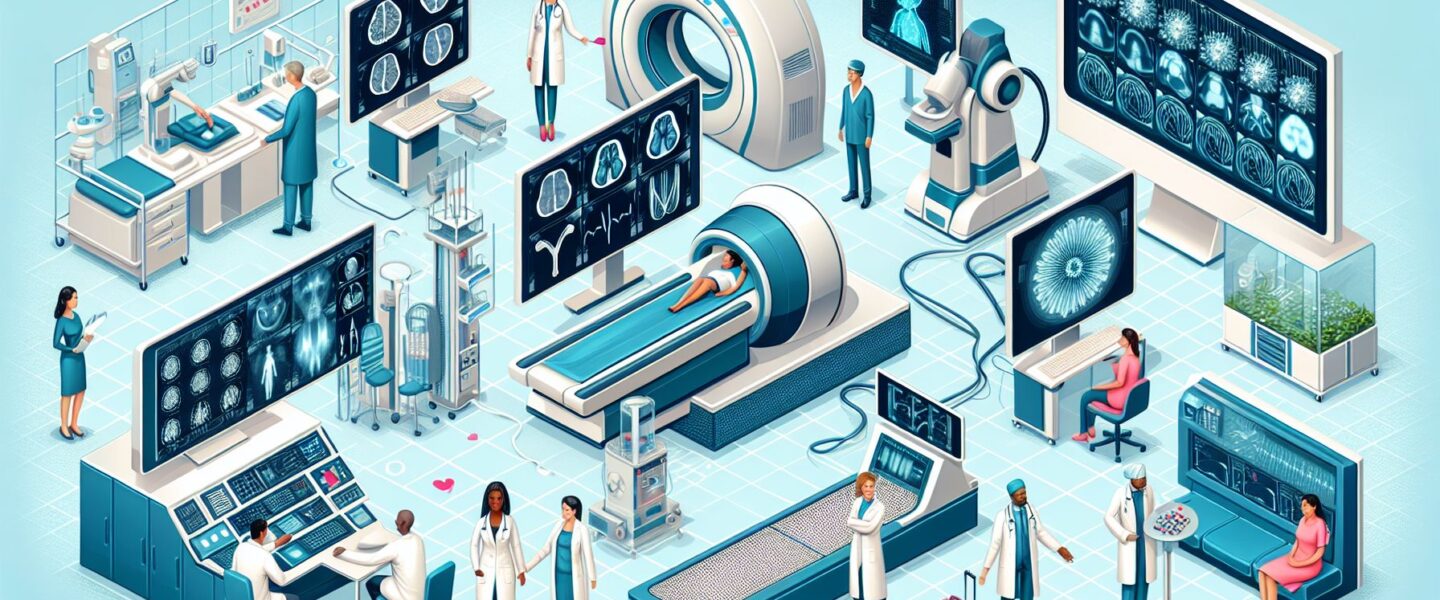
Moreover, the field of medical imaging has seen remarkable advancements. Traditional X-rays have been supplemented with computed tomography (CT), magnetic resonance imaging (MRI), and positron emission tomography (PET). These cutting-edge imaging techniques provide detailed insights into the human body, enabling early and accurate diagnoses, leading to more effective treatments.
Keeping Patients Safe – Infection Control
Patient safety is of utmost importance, and the medical products industry plays a crucial role in combating healthcare-associated infections (HAIs). Adherence to rigorous sterilization procedures, disposable instruments, and the development of antimicrobial technologies have significantly reduced the risk of HAIs. This ensures that patients receive the care they need without exposing them to unnecessary dangers.
Accessibility and Affordability
While medical advancements are exciting, they must also be accessible and affordable to make a true impact on global healthcare. The medical products industry continuously seeks ways to improve affordability to reach underserved populations worldwide. This involves striking a balance between cutting-edge technology and its cost. By leveraging economies of scale and embracing innovative manufacturing processes, manufacturers can develop high-quality yet affordable medical products.
The Future of Medical Products
As we look to the future, the medical products industry shows no signs of slowing down. Rapid advancements in nanotechnology, regenerative medicine, and telemedicine are just a few of the areas fueling innovation. Nanotechnology offers the potential to develop targeted drug delivery systems and improve disease detection. Regenerative medicine aims to revolutionize treatment by regrowing damaged tissues and organs. Telemedicine holds the promise of providing healthcare services remotely, reaching patients in rural or remote areas who may otherwise struggle to access care.
In conclusion, the medical products industry plays a pivotal role in advancing healthcare. By continually investing in research and development, manufacturers are spearheading the creation of innovative technologies, instruments, and supplies that enable medical professionals to provide superior care. Together, these advancements hold immense potential in revolutionizing the future of healthcare and improving the well-being of individuals across the globe.