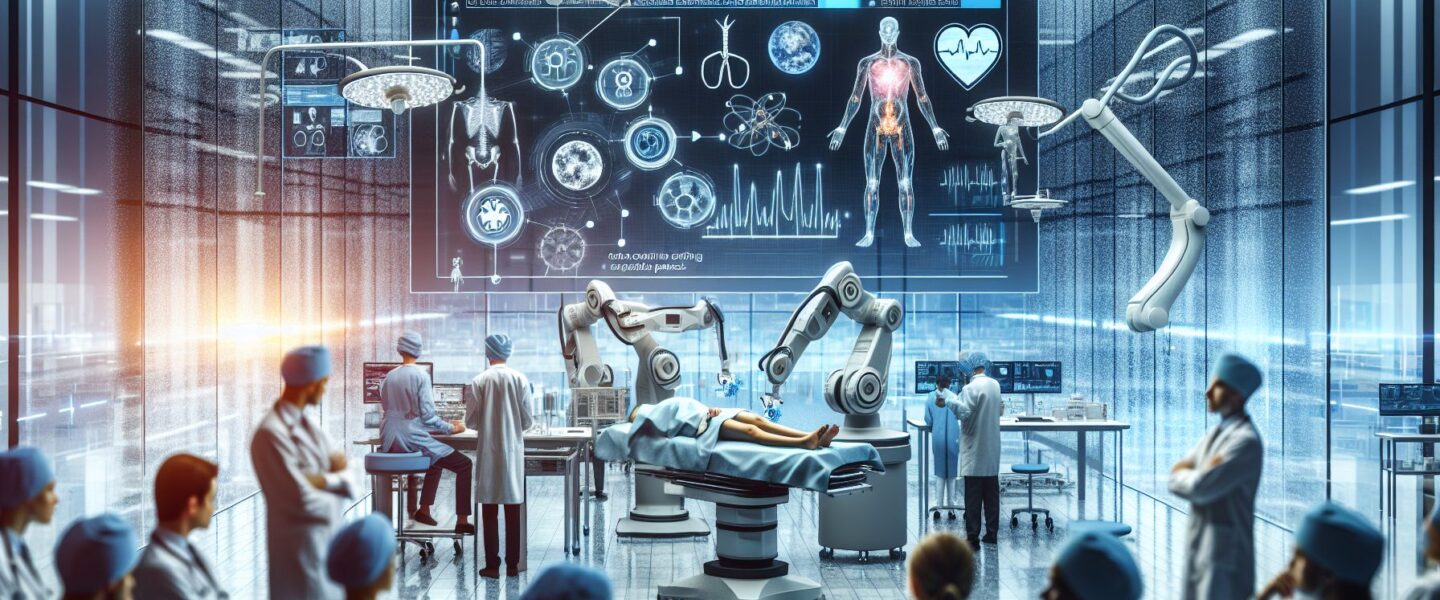
The healthcare industry is constantly evolving, and one of the key drivers of this evolution is the development of innovative medical products. From advanced imaging technologies to life-saving devices, these products have transformed the way medical professionals diagnose and treat patients. In this blog post, we will explore the significance of medical products in the healthcare industry and the impact they have on patient care.
The Introduction of Medical Products
Medical products encompass a wide variety of items, ranging from simple bandages to complex surgical robots. These products are designed to enhance medical care and improve patient outcomes. They enable healthcare professionals to diagnose diseases accurately, monitor patient conditions effectively, and deliver targeted treatments.
Advancements in Medical Technology
In recent years, there has been exponential growth in medical technology and product development. Cutting-edge devices now allow physicians to conduct minimally invasive surgeries, perform intricate procedures with precision, and even remotely monitor patients’ vital signs. For example, wearable health trackers provide real-time data on heart rate, activity levels, and sleep patterns, enabling individuals to proactively manage their health.
Improved Diagnosis and Treatment
Medical products offer incredible opportunities for accurate and timely diagnosis. Sophisticated imaging machines such as MRI and CT scanners provide detailed internal images, aiding in the detection of abnormalities and the identification of diseases in their earliest stages. This early detection significantly improves the chances of successful treatment.
Furthermore, advanced diagnostic tests enable physicians to analyze genetic predispositions, allowing for personalized medicine tailored to each patient. This individualized approach leads to more effective treatments, reduced side effects, and improved patient satisfaction.
Enhancing Patient Care
Medical products not only benefit healthcare professionals but also directly impact patient care. Innovations in prosthetics, for instance, have revolutionized the lives of individuals with limb loss. The introduction of bionic limbs equipped with sensors and advanced control systems offers increased dexterity and improved quality of life.
Additionally, the emergence of telemedicine due to the COVID-19 pandemic has highlighted the significance of medical products. Remote patient monitoring devices and telehealth platforms ensure that patients receive continuous care, especially in underserved or remote areas. These technologies facilitate timely consultations, reduce hospital visits, and help manage chronic conditions effectively.
Future Growth and Challenges
As medical technology continues to advance, the healthcare industry faces new challenges. The development of innovative products requires significant investment, research, and regulatory oversight. Furthermore, ethical concerns surrounding privacy, data security, and equitable access to medical products need to be addressed.
However, the potential benefits are immense. Medical products hold the key to preventive care, personalized medicine, and improved patient outcomes. Continued collaboration between healthcare professionals, researchers, and manufacturers will pave the way for future advancements.
Conclusion
Medical products have become the cornerstone of modern healthcare, enabling accurate diagnosis, targeted treatment, and enhanced patient care. The ongoing advancements in medical technology have the power to shape the future of medicine, making it more personalized, efficient, and accessible. As we embrace these innovations, it is crucial to strike a balance between progress and the ethical considerations that accompany them. With a commitment to innovation, collaboration, and patient-centered care, the medical products industry will continue to revolutionize healthcare as we know it.