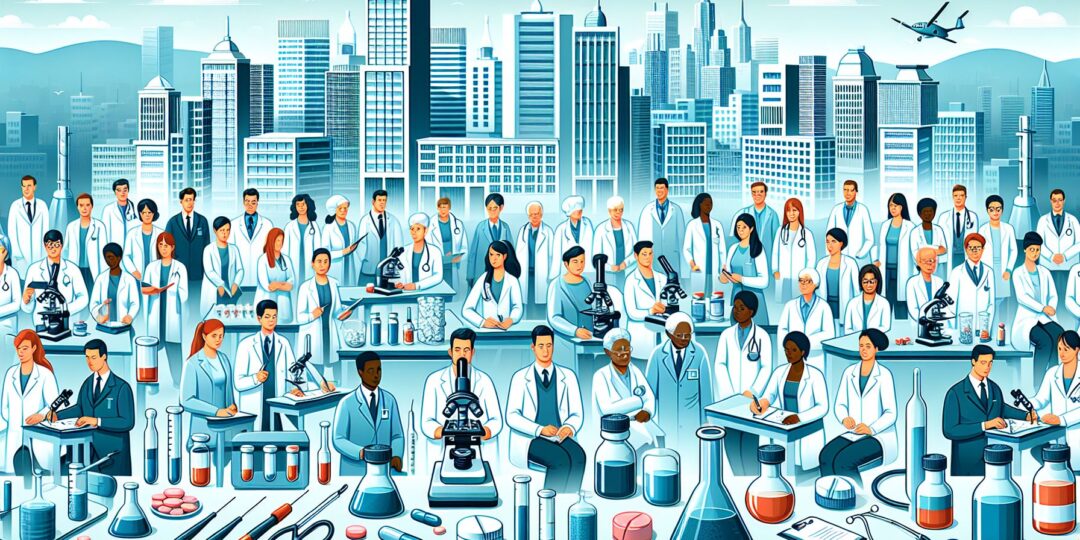
The Importance of Medical Products and the Evolving Industry

The healthcare industry plays a crucial role in our lives, and medical products are at the heart of it. From diagnostic tools to life-saving medications, these products are essential for diagnosing, treating, and preventing illnesses. The medical product industry has witnessed significant advancements, resulting in more effective and innovative solutions. In this blog post, we will discuss the importance of medical products and the evolution of the industry.

The Introduction of Medical Products

Medical products encompass a wide range of items, including pharmaceuticals, medical devices, diagnostic tools, and more. These products are designed to improve patient care, enhance diagnoses, and increase the effectiveness of medical professionals. Without them, providing quality healthcare would be extremely challenging.

Advancements in Technology

One of the driving factors behind the evolving medical product industry is advancements in technology. From the introduction of electronic health records to the development of cutting-edge medical devices, technology has facilitated substantial progress. These advancements have led to better patient outcomes, increased efficiency, and improved access to medical care.

Improved Diagnostics and Treatment Options

Medical products have greatly contributed to the improvement of diagnostics and treatment options. Diagnostic tools such as blood tests, imaging devices, and genetic testing kits have revolutionized the way conditions are diagnosed. This early detection allows medical professionals to intervene sooner, leading to better treatment outcomes.

Similarly, the development of new medications and therapies has transformed the treatment landscape. Innovative drugs, vaccines, and medical interventions have paved the way for better management of diseases and improved patient well-being. Medical products have played a critical role in reducing mortality rates and increasing life expectancy.

Enhanced Patient Care and Safety

In addition to diagnostics and treatment, medical products are essential for enhanced patient care and safety. Medical devices such as defibrillators, anesthesia machines, and ventilators are indispensable during surgical procedures, emergencies, and intensive care settings. These products not only save lives but also improve the overall quality of patient care.

Safety is a fundamental concern in healthcare, and medical product advancements have made significant contributions in this area too. Sterile equipment, single-use disposable items, and infection prevention technologies have reduced the risk of healthcare-associated infections, ensuring patient safety and well-being.

Challenges and Opportunities

Although the medical product industry has come a long way, it faces several challenges and opportunities. Regulatory compliance, ethical considerations, and affordability are some of the hurdles that need to be addressed.

However, these challenges also present opportunities for continued growth and innovation within the industry. Collaboration between academia, research institutions, and private companies can drive advancements and result in breakthrough medical products that will shape the future of healthcare.

Conclusion

Medical products are vital components of the healthcare industry, enabling medical professionals to provide efficient, accurate, and safe care to patients. The continuous advancements in technology, diagnostics, and treatment options have revolutionized patient outcomes and enhanced healthcare practices. While challenges remain, the medical product industry is poised to overcome them, opening up new avenues for innovation and improved patient care.…

Continue reading
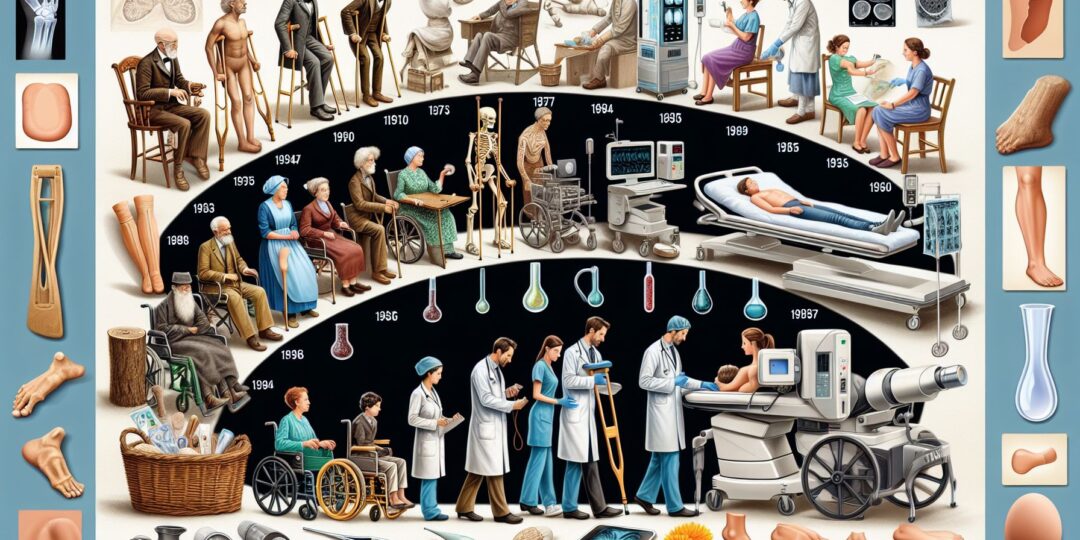
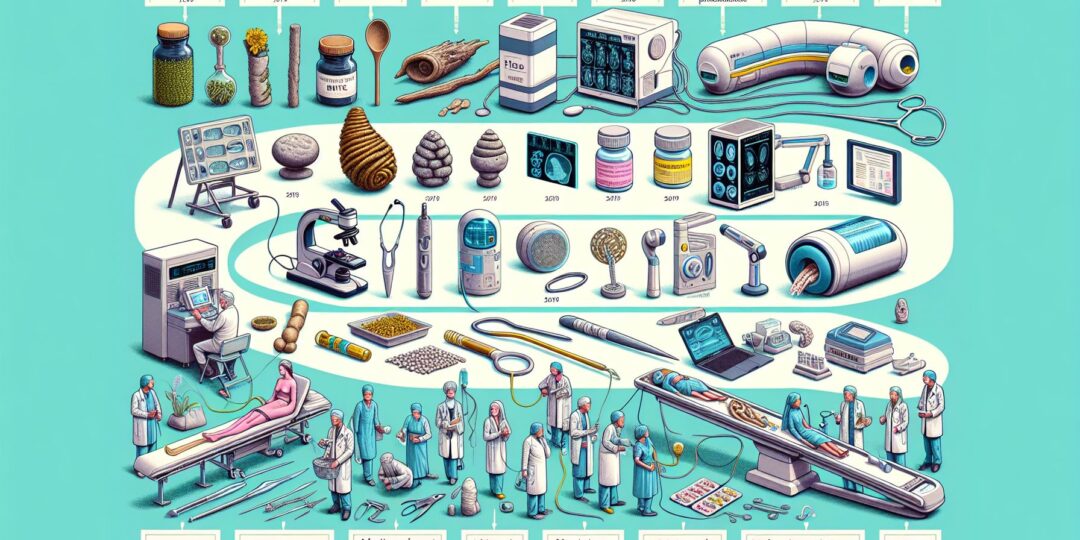
The Evolution and Impact of Medical Products in the Healthcare Industry

The rapid advancements in medical technology have significantly transformed the healthcare industry in recent years. These advancements have led to the development of innovative medical products that have revolutionized patient care and treatment. From diagnostic tools to life-saving equipment, these products have not only improved the quality of healthcare but also saved countless lives. In this article, we will explore the evolution and impact of medical products in the healthcare industry.

The Introduction of Medical Products

Medical products play a crucial role in diagnosing, monitoring, and treating various medical conditions. In the past, healthcare professionals heavily relied on manual techniques and limited tools to provide care. However, with the introduction of medical products, healthcare has become more efficient and accurate.

With the advent of medical products such as MRI machines, X-ray scanners, and ultrasound devices, diagnosing complex diseases has become easier. These products allow healthcare professionals to visualize the internal structures of the human body, leading to faster and more accurate diagnoses. Additionally, advancements in laboratory equipment have enabled quick and precise analysis of blood samples, facilitating the timely identification of diseases.

The Impact of Medical Products on Patient Care

The impact of medical products on patient care cannot be overstated. These devices have not only improved the accuracy of diagnoses but have also enhanced treatment options. For instance, the development of minimally invasive surgical equipment has revolutionized surgery, allowing for quicker recovery times and reduced risks for patients.

Moreover, medical products such as insulin pumps, pacemakers, and prosthetic devices have dramatically improved the quality of life for individuals with chronic conditions. These innovations have made it possible for patients to lead fulfilling lives and have provided them with opportunities that were once impossible.

Empowering Healthcare Professionals

Medical products have also had a profound impact on healthcare professionals. By automating certain processes and providing accurate data, these devices have streamlined workflows and improved efficiency. This allows doctors and nurses to focus more on patient care and less on administrative tasks.

Additionally, these products have opened up new avenues for research and development. With better tools and equipment at their disposal, scientists and researchers can delve deeper into medical mysteries, leading to breakthroughs in the understanding and treatment of various diseases.

The Future of Medical Products

As technology continues to advance, the future of medical products looks promising. Artificial intelligence and machine learning are already making their way into medical devices, making them even smarter and more intuitive. We can expect to see more personalized medicine and advancements in areas such as telemedicine and robotic surgery.

In conclusion, medical products have significantly shaped the healthcare industry, impacting patient care, empowering healthcare professionals, and driving advancements in medical research. These innovations have undoubtedly improved the quality of healthcare and saved countless lives. As we move forward, it is essential to continue investing in research and innovation to further enhance the impact and scope of medical products in the future.…

Continue reading

The Evolution of Medical Products and the Growing Industry

With each passing year, the field of medicine becomes increasingly advanced, thanks to the continued development of new medical products. From pharmaceuticals to medical devices, these products play a significant role in improving patient outcomes and revolutionizing healthcare practices. In this article, we will explore the evolution of medical products and the growing industry that supports their innovation.

The Importance of Medical Products

Medical products are crucial in diagnosing, treating, and managing various medical conditions. They encompass a wide range of items, including drugs, vaccines, medical devices, and diagnostic tools. These products have significantly contributed to enhancing patient care, reducing mortality rates, and improving the quality of life for countless individuals.

The Evolution of Medical Products

Over the years, medical products have gone through a remarkable evolution. Advancements in technology, research breakthroughs, and regulatory developments have all played a role in expanding the possibilities within the industry. Pharmaceutical companies continuously work towards developing new drugs, leveraging cutting-edge research and computing power to discover novel compounds. Similarly, medical device manufacturers innovate to create devices that are safer, more effective, and less invasive than ever before.

The advent of precision medicine has also influenced the evolution of medical products. Tailoring treatments to an individual’s genetic makeup and unique characteristics has opened new avenues for personalized therapies, enhancing patient outcomes. Furthermore, as our understanding of diseases deepens, new diagnostic tools and biomarkers are being developed to facilitate early detection and intervention.

The Thriving Medical Products Industry

The rise in demand for medical products has led to a thriving industry that supports innovation and growth. Pharmaceutical companies, medical device manufacturers, and other stakeholders collaborate to research, develop, and market new products. These collaborations often occur between academic institutions, private research organizations, and industry professionals, fostering an environment conducive to advancement.

The medical products industry also plays a vital role in the economy, generating substantial revenue and creating job opportunities. It is an industry that requires not only scientific expertise but also regulatory knowledge, marketing strategies, and efficient supply chain management. As a result, companies operating within this industry contribute to technological advancement while simultaneously stimulating economic growth.

Conclusion

Medical products have come a long way, revolutionizing healthcare practices and improving patient outcomes. These products have evolved in tandem with technological advancements, research breakthroughs, and changing patient needs. As the medical products industry continues to grow, it plays a crucial role in developing innovative solutions to address the challenges faced by the healthcare sector. With ongoing research, collaboration, and investment, we can anticipate even more groundbreaking medical products that will shape the future of medicine and benefit countless lives.…

Continue reading

The Changing Face of the Medical Products Industry

When it comes to healthcare, we often think about doctors, nurses, and hospitals. However, behind the scenes, there is a bustling industry dedicated to producing essential medical products that play a vital role in patient care. From surgical instruments to life-saving medications, the medical products industry is constantly evolving to meet the ever-increasing demand for innovative and efficient healthcare solutions. This article explores the transformative changes occurring in this industry and their impact on patient well-being.

The Evolution of Medical Products

The medical products industry has come a long way since its inception. Advances in technology and scientific research have paved the way for groundbreaking innovations. Manufacturers now produce a wide range of products such as diagnostic devices, personal protective equipment, prosthetics, and pharmaceuticals that significantly improve patient outcomes.

One noteworthy advancement in this industry is the development of telehealth products. With the rise of remote medical consultations and self-monitoring, patients can now receive healthcare services in the comfort of their homes. For instance, wearable devices can track vital signs and transmit real-time data to physicians, enabling timely intervention and personalized treatment plans.

Challenges and Solutions

As the medical products industry continues to grow, it faces several challenges. One of the most pressing concerns is ensuring the safety and effectiveness of these products. Rigorous quality control measures, strict regulatory bodies, and industry standards are in place to address this issue. Manufacturers must navigate complex guidelines to obtain necessary certifications, proving their products meet the highest safety standards.

Another major challenge lies in the cost of medical products. Healthcare systems worldwide struggle with budget constraints, making it crucial for manufacturers to strike a balance between affordability and quality. The aim is to develop cost-effective solutions without compromising patient care.

Collaboration between different stakeholders is essential to overcoming these challenges. Governments, industry experts, healthcare professionals, and patients must work together to establish guidelines, foster innovation, and increase accessibility to medical products.

The Future of Medical Products

The future of the medical products industry holds immense potential. Advancements in fields like artificial intelligence, nanotechnology, and 3D printing are poised to revolutionize healthcare. AI-powered diagnostics, personalized medicine, and on-demand manufacturing are just a few examples of what lies ahead.

The COVID-19 pandemic has further highlighted the importance of medical products. The rapid development of vaccines and the production of testing kits demonstrate the industry’s ability to adapt and respond to global healthcare crises. Moving forward, it is crucial to invest in research, development, and infrastructure that enable the industry to swiftly respond to future challenges.

Conclusion

The medical products industry plays a critical role in healthcare delivery, making it essential for patients and healthcare providers alike. With advancements in technology, continuous innovation, and collaborative efforts, this industry has the potential to shape the future of healthcare. By overcoming challenges, expanding accessibility, and embracing new possibilities, medical product manufacturers are moving towards a future where efficient, affordable, and life-saving products are readily available to all.…

Continue reading

The Importance of Medical Products in the Healthcare Industry

The healthcare industry relies heavily on medical products to diagnose, treat, and prevent various medical conditions. From simple bandages to high-tech imaging devices, these products play a vital role in ensuring the well-being of patients and the efficiency of healthcare professionals. In this article, we will explore the significance of medical products in the healthcare industry and how they contribute to better patient outcomes.

I. The Functionality of Medical Products

Medical products encompass a wide range of items that are specifically designed for medical purposes. This includes syringes, surgical instruments, diagnostic equipment, pharmaceuticals, and even personal protective equipment (PPE). Each of these products serves a unique function, allowing healthcare professionals to provide optimal care to patients.

The availability and proper use of medical products are crucial in diagnosing and treating medical conditions. For instance, accurate and timely diagnosis heavily relies on diagnostic equipment such as X-ray machines, MRI scanners, and blood tests. Similarly, the effective administration of medications depends on the quality of pharmaceutical products, ensuring the right dosage and formulation are delivered to patients.

II. Enhancing Patient Safety and Care

The use of high-quality medical products significantly improves patient safety and care. Through advancements in medical technology, products have become more precise, efficient, and reliable. For instance, robotic-assisted surgery allows for minimally invasive procedures, reducing risks and improving patient recovery time. Similarly, advancements in wound dressings and infection control products have significantly reduced the risk of healthcare-associated infections.

In addition, medical products have revolutionized chronic disease management. Devices such as insulin pumps and implantable cardioverter-defibrillators allow patients to lead better lives by managing their conditions effectively. These products not only improve patient outcomes but also enhance their overall quality of life.

III. Driving Innovation and Economic Growth

The development and manufacturing of medical products also contribute to innovation and economic growth. The healthcare industry is a dynamic sector that requires continuous advancements to keep up with the evolving nature of diseases and patient needs. This drives research, development, and investment in medical product innovation.

Moreover, the medical product industry provides valuable job opportunities and stimulates economic growth. As medical products are in high demand globally, the industry continues to expand, offering employment to millions of people worldwide. This, in turn, drives economic development and stimulates innovation in related sectors.

IV. Conclusion

Medical products are essential components of the healthcare industry, enabling healthcare professionals to provide efficient and effective care to patients. With their diverse functionality, they not only enhance patient safety and care but also drive innovation and economic growth. As technology and scientific advancements continue to progress, we can expect the medical product industry to play an increasingly significant role in improving healthcare worldwide.…

Continue reading

The Evolving Landscape of Medical Products and the Industry

The medical industry is constantly evolving, and one key aspect of this evolution is the development and improvement of medical products. From innovative devices to life-saving drugs, these products play a crucial role in advancing healthcare and improving patient outcomes. In this blog post, we will explore the diverse range of medical products and delve into the factors driving industry growth.

The Importance of Medical Products

Medical products encompass a wide array of items, including pharmaceuticals, medical devices, surgical instruments, diagnostic tools, and more. They are designed to diagnose, treat, and prevent various medical conditions, ranging from common ailments to complex diseases. The significance of medical products cannot be overstated, as they contribute to the overall well-being of individuals and society as a whole.

Advancements in Medical Devices

One of the most significant areas of growth within the medical product industry is medical devices. Technological advancements have led to the development of cutting-edge devices that are revolutionizing healthcare. For instance, robotic surgical systems enable more precise and minimally invasive procedures, reducing patient discomfort and expediting recovery times. Similarly, wearable devices equipped with sensors monitor vital signs and provide real-time health data, empowering individuals to take proactive measures to maintain their well-being.

Pharmaceutical Innovations

Another crucial aspect of the medical product industry is the development of pharmaceuticals. Life-saving drugs are continuously being discovered and refined, offering new treatment options for patients. Pharmaceutical companies invest significant resources in research and development to create drugs that not only alleviate symptoms but also target the root causes of diseases. Whether it’s breakthrough therapies for cancer or advanced treatments for chronic conditions, pharmaceutical innovations have the potential to save countless lives.

Driving Factors for Industry Growth

Several driving factors contribute to the growth and expansion of the medical product industry. One key factor is increasing global healthcare needs due to population growth, aging populations, and the rise of chronic diseases. Furthermore, the growing emphasis on personalized medicine and preventive care is spurring demand for tailored medical products that cater to individual patients’ needs. Additionally, supportive government regulations and policies, as well as advancements in manufacturing technologies, also drive innovation and growth in this sector.

Conclusion

The medical product industry plays a pivotal role in advancing healthcare around the world. From state-of-the-art medical devices to groundbreaking pharmaceuticals, these products are continuously evolving to meet the ever-changing needs of patients. As technology and scientific research progress, we can expect further innovations that will transform the way diseases are diagnosed, treated, and prevented. By investing in the development of medical products and fostering an environment of innovation, we can pave the way for a healthier future for all.…

Continue reading

Medical Products and the Booming Industry

The advancements in technology have revolutionized the medical industry, leading to a surge in the development of innovative medical products.

Introduction:
The medical industry, a vital aspect of our society, constantly evolves to meet the growing healthcare needs of individuals worldwide. A significant driver behind this development is the continual introduction of groundbreaking medical products. These products not only enhance the quality of patient care but also contribute to the overall progress of the healthcare sector. In this article, we will explore the importance of medical products and the thriving industry behind them.

Body:
Medical products encompass a vast range of items, including innovative medical devices, diagnostic tools, pharmaceuticals, and other medical consumables. These products play a crucial role in disease prevention, accurate diagnosis, and effective treatment methods. Additionally, they enable clients to lead healthier lives and improve patient outcomes rapidly.

The medical product industry has experienced substantial growth due to the increasing demand for advanced healthcare solutions. Technological advancements have resulted in the creation of various cutting-edge products, enabling medical professionals to provide better care. For instance, implantable medical devices such as pacemakers and artificial joints have significantly improved the quality of life for countless individuals.

Furthermore, diagnostic tools and medical equipment play a pivotal role in identifying diseases and determining appropriate treatment plans. Sophisticated imaging technologies like MRI and CT scans empower physicians to detect ailments earlier, potentially saving lives. Additionally, the development of telemedicine platforms has enabled patients in remote locations to access quality healthcare services, connecting them with healthcare professionals and improving health outcomes.

The global pharmaceutical sector also thrives on innovation, continuously introducing new medications to combat various diseases. From antibiotics to lifesaving drugs for chronic conditions, pharmaceutical products have revolutionized the healthcare landscape, extending and enhancing the lives of countless patients worldwide.

The medical product industry not only drives innovation and improves patient care but also offers extensive business opportunities. The demand for these products has led to the growth of numerous small and large-scale companies that specialize in manufacturing medical goods. This industry is a significant contributor to economic growth, creating jobs and driving scientific research.

Conclusion:
Medical products are a crucial component of the constantly evolving healthcare industry. They have transformed patient care, enhanced treatment options, and substantially improved health outcomes. With the continuous development of cutting-edge technologies, the medical product industry will continue to thrive, revolutionizing healthcare in the process. As society progresses, the importance of medical products cannot be overstated, as they pave the way for a healthier and more advanced future.…

Continue reading

The Rise of Medical Products in the Healthcare Industry

The healthcare industry has witnessed immense growth and advancement in recent years, with a significant focus on the development and implementation of medical products. These products have revolutionized patient care and treatment, providing healthcare professionals with innovative tools and technologies to enhance their practice. In this blog post, we will explore the increasing importance of medical products in the healthcare industry and the numerous benefits they offer.

Introduction to Medical Products

Medical products refer to a wide range of instruments, devices, equipment, or consumables that are designed to diagnose, prevent, monitor, or treat diseases, injuries, or disabilities. These products play a crucial role in modern medicine, significantly contributing to patient well-being and improving healthcare outcomes. From simple syringes to complex surgical robots, medical products span across various categories, catering to diverse medical needs.

Advancements in Medical Technology

The rapid advancements in medical technology have paved the way for the development of innovative medical products. Breakthroughs in fields such as biotechnology, nanotechnology, and robotics have given rise to an extensive range of cutting-edge medical instruments and devices. These products have transformed the way healthcare professionals diagnose diseases, perform surgeries, and manage patient care.

Medical products have become smarter, more efficient, and user-friendly, empowering healthcare providers to deliver accurate diagnoses, personalized treatments, and optimized care. For instance, the emergence of wearable technology has revolutionized patient monitoring, allowing continuous tracking of vital signs and early identification of potential health risks.

Improved Patient Care and Safety

One of the primary benefits of medical products is the significant improvement in patient care and safety. These products enable healthcare professionals to deliver precise and targeted interventions, minimizing the risks associated with human error. Automated medication systems, for example, reduce medication errors and enhance prescription accuracy, ensuring patients receive the correct dosage and medication.

Additionally, medical products have enabled minimally invasive surgical procedures, reducing patient trauma, post-operative pain, and recovery time. Technologies such as robotic-assisted surgeries provide surgeons with greater precision, resulting in improved outcomes and reduced complications.

Enhancing Healthcare Efficiency

The integration of medical products into healthcare systems has also brought about substantial improvements in efficiency and productivity. Digital health solutions, electronic medical records, and telemedicine platforms have streamlined data collection, storage, and communication, allowing for seamless collaboration amongst healthcare providers. This integration improves care coordination, facilitates evidence-based decision-making, and reduces administrative burdens.

Moreover, medical products contribute to cost savings by optimizing resource utilization. For instance, advanced imaging technologies provide accurate diagnostic results, eliminating the need for additional tests or procedures, thus reducing healthcare expenditures and waiting times.

Conclusion

The healthcare industry is witnessing remarkable progress, driven by the continuous development and implementation of medical products. These products have transformed patient care, enhanced safety, and improved healthcare efficiency. As medical technology continues to advance, we can expect even more groundbreaking innovations that will shape the future of healthcare, making it more accessible and effective for all.…

Continue reading

Medical Products and Industry: A Revolution in Healthcare

The field of medicine has witnessed remarkable advancements over the years, largely attributed to the development of innovative medical products. These products have played a vital role in revolutionizing the healthcare industry, enabling greater accuracy, efficiency, and patient care. From diagnostic tools to surgical instruments, medical products have undoubtedly transformed the way healthcare is delivered. In this article, we delve into some key areas of medical products and the impact they have had on the industry.

Diagnostic Tools: The Key to Early Detection

One of the most critical aspects of healthcare is early and accurate diagnosis. Medical products, such as imaging technologies (X-rays, MRI, CT scans), laboratory instruments, and molecular diagnostic kits, have greatly facilitated this process. Early detection not only enhances treatment outcomes but also paves the way for preventive measures.

The advancement in molecular diagnostics, for instance, has made it possible to detect genetic variations associated with various diseases, allowing for personalized treatment plans. Consequently, medical products in this domain have played a pivotal role in reducing morbidity rates and increasing life expectancy.

Surgical Innovations: Precision and Minimally Invasive Procedures

Surgical procedures have become more precise and less invasive, thanks to the development of cutting-edge medical products. Tools such as laparoscopes, robotic surgical systems, and micro-instruments have revolutionized the way surgeries are performed.

These advancements have enabled surgeons to access hard-to-reach areas with minimal incisions, resulting in reduced scarring, faster recovery times, and lower risk of complications. Additionally, surgical navigation systems equipped with real-time imaging technology have enhanced surgical accuracy, allowing for tumor removal and reconstruction procedures with unparalleled precision.

Patient Monitoring: Enhancing Care and Safety

Medical products have significantly improved patient monitoring, ensuring better care and safety. From wearable devices to remote monitoring systems, healthcare providers can now gather real-time patient data, enabling timely interventions and personalized treatment plans.

With continuous monitoring, medical professionals can detect changes in vital signs, identify early warning signs of deterioration, and even remotely monitor patients in the comfort of their homes. This has not only reduced hospital readmissions but has also empowered patients to actively participate in their own care management.

Conclusion: Transforming Healthcare for the Better

In conclusion, medical products have played a pivotal role in transforming healthcare as we know it. From diagnostic tools facilitating early detection to surgical innovations enabling precise procedures and patient monitoring enhancing care, these products have revolutionized the industry. As technology continues to advance, we can expect further breakthroughs in the medical product landscape, leading to even better patient outcomes and improved healthcare delivery. Embracing these innovations and ensuring their accessibility to all is crucial to building a healthier future.…

Continue reading

The Impact of Medical Products and Industry on Healthcare

The medical products and industry play a significant role in modern healthcare. From diagnostic tools to surgical instruments, these products ensure better patient care and improved outcomes. In this blog post, we will explore the importance of medical products, their advancements, and how they shape the future of healthcare.

Introduction

Medical products encompass a wide range of items utilized by healthcare professionals to diagnose, treat, and prevent various illnesses and conditions. These products can be as simple as bandages or as complex as robotic surgical systems. With continuous advancements in technology and innovation, the medical industry has made remarkable strides in developing cutting-edge products that revolutionize patient care.

Advancements in Medical Products

Over the years, medical products have experienced significant advancements that have transformed healthcare practices. For example, diagnostic tools such as MRI machines and CT scanners have revolutionized imaging techniques, allowing for more accurate and detailed diagnoses. These tools enable healthcare professionals to detect illnesses at earlier stages, leading to prompt treatment and improved patient outcomes.

Similarly, surgical instruments have become more precise and minimally invasive, thanks to the development of robotic systems. These robotic assistants provide surgeons with enhanced control and visualization during complex procedures, resulting in reduced pain, shorter hospital stays, and faster recovery for patients.

The Role of Medical Products in Patient Care

Medical products are vital in providing quality patient care. From the moment a patient enters a healthcare facility, medical products are used for diagnosis, treatment, and monitoring. For instance, blood pressure monitors and thermometers are essential tools in assessing a patient’s vital signs and overall health. They aid healthcare professionals in making informed decisions and designing personalized treatment plans.

Furthermore, medical products extend beyond the confines of hospitals and clinics. From portable medical devices to wearables, these products empower individuals to actively participate in their own healthcare. Monitoring devices, such as glucose meters for diabetic patients or fitness trackers for maintaining overall wellness, enable individuals to track their health parameters regularly and seek timely medical attention when necessary.

The Future of Medical Products

The medical industry continues to innovate, and the future holds even more promising advancements in medical products. Nanotechnology, artificial intelligence, and biotechnology are revolutionizing the medical field, allowing for the development of smart implants, personalized medicine, and gene therapies.

Moreover, the focus on sustainable and eco-friendly medical products is also on the rise. Many manufacturers are embracing environmentally conscious practices, ensuring that medical products are not only effective but also environmentally responsible.

Conclusion

Medical products are at the core of healthcare, enabling professionals to provide accurate diagnoses, effective treatments, and improved patient care. The advancements in medical products have revolutionized the way diseases are diagnosed and treated, leading to better outcomes and enhanced patient experiences. As technology continues to evolve, the medical industry will undoubtedly witness even more groundbreaking innovations, further reshaping the future of healthcare.…

Continue reading