The Booming Medical Products Industry: Innovations for a Better Future

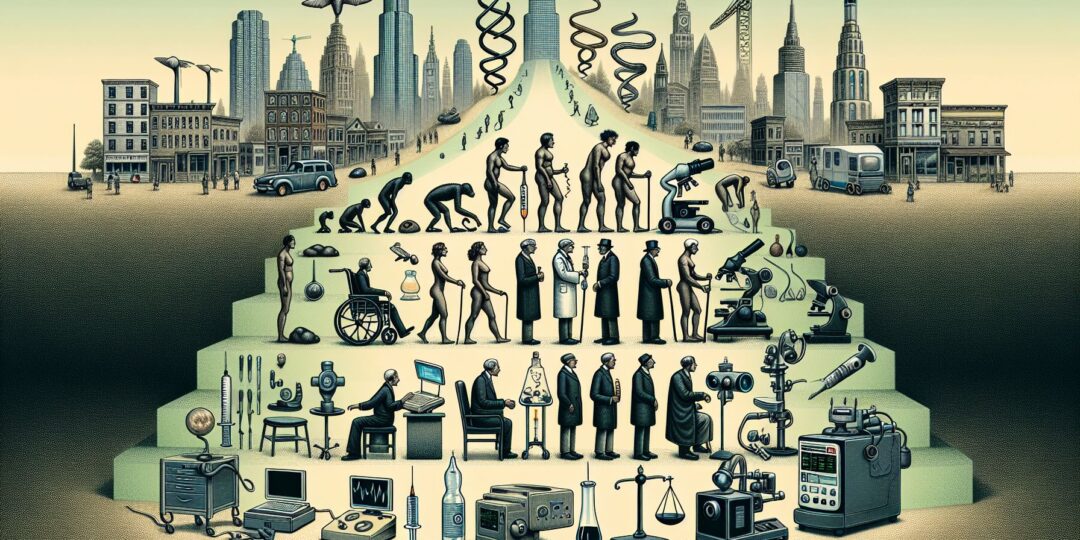
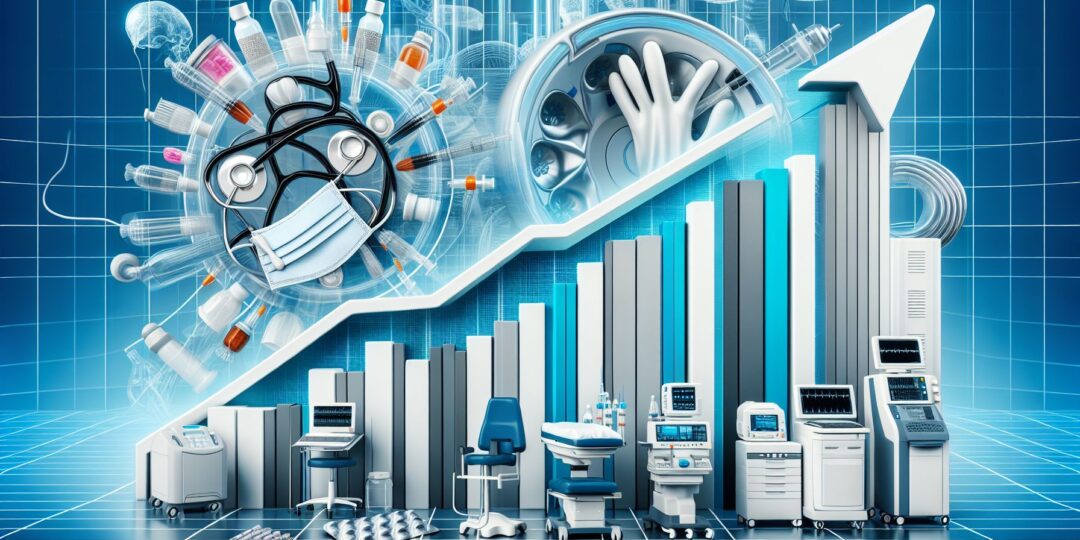
The medical products industry plays a vital role in our society by providing healthcare professionals with the tools they need to diagnose, treat, and care for their patients. From life-saving devices to cutting-edge medical technologies, this industry is constantly evolving to improve patient outcomes and revolutionize the field of healthcare.

The Importance of Medical Products

Medical products encompass a wide range of items, including diagnostic equipment, surgical instruments, prosthetics, implants, and much more. These products are indispensable in the medical field as they enable healthcare professionals to deliver accurate diagnoses, perform complex surgeries, and enhance patients’ quality of life.

One of the fundamental aspects of medical products is their ability to aid in early detection and prevention. Diagnostic equipment such as ultrasound machines, X-ray systems, and blood test analyzers empower healthcare providers to identify potential health issues at their earliest stages. By catching diseases early on, medical professionals can initiate timely interventions and prevent the progression of illnesses, ultimately saving lives.

Technological Advancements in Medical Products

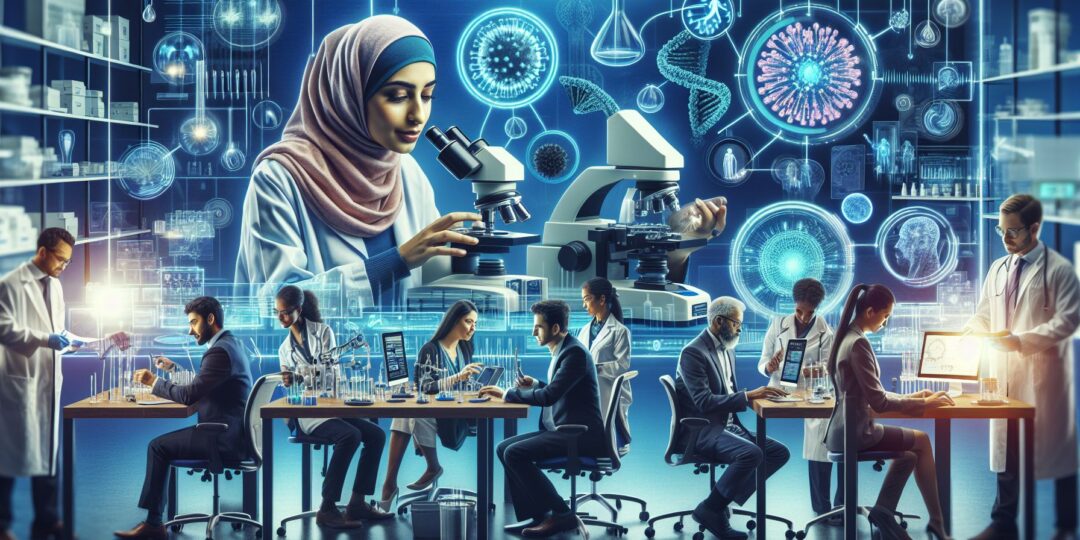
Over the years, the medical products industry has witnessed remarkable strides in technology. Innovations have led to the development of state-of-the-art medical devices and appliances that improve both patient care and clinician efficiency.

For instance, robotics and artificial intelligence (AI) have paved the way for exciting developments in surgical procedures. Robotic-assisted surgeries have become increasingly prevalent, allowing for greater precision and accuracy, shorter recovery times, and reduced invasiveness. Additionally, AI algorithms are being applied to vast datasets, aiding in disease diagnosis and personalized treatment plans.

Another area where technological advancements have had a significant impact is in the field of prosthetics and implants. With the advent of 3D printing technology, the production of customized prosthetics and implants has become more accessible, affordable, and efficient. This innovative approach enables the creation of devices tailored specifically to each patient’s unique needs, leading to enhanced comfort and better functional outcomes.

Challenges and Future Innovations

While the medical products industry has continually introduced groundbreaking technologies, it also faces numerous challenges. Patient safety and regulatory compliance are two critical aspects that manufacturers must address responsibly. Stricter regulations, rigorous testing procedures, and ongoing quality control measures are essential to ensure the reliability and safety of medical products.

Looking forward, the future of the medical products industry holds great promise. Emerging technologies, such as nanotechnology and wearable devices, are set to revolutionize healthcare. Nanotechnology may enable targeted drug delivery systems, while wearable devices can monitor patients’ vital signs and transmit real-time data, allowing for remote patient monitoring and improved care coordination.

Conclusion

The medical products industry is essential to the advancement of healthcare, constantly seeking innovative solutions to improve patient outcomes and enhance the quality of care. Technological advancements have revolutionized this industry, enabling early disease detection, sophisticated surgical procedures, and specialized prosthetics. Challenges such as patient safety and regulatory compliance must be met head-on to ensure the continued progress and reliability of medical products. With promising future innovations on the horizon, the medical products industry remains at the forefront of transforming the way healthcare is delivered in the modern world.…

Continue reading
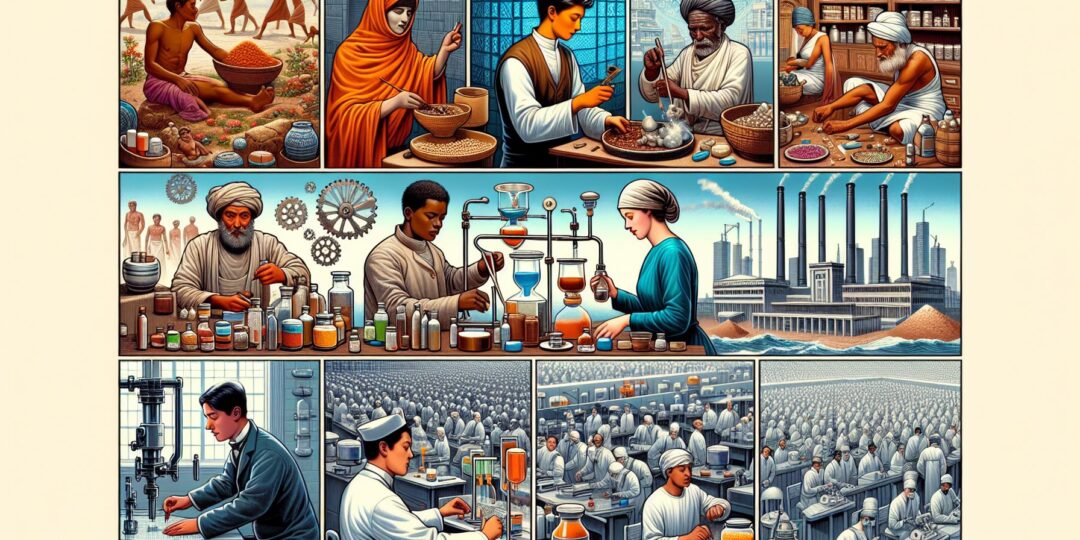
#The Revolution of Medical Products and the Rapid Advancement of the Industry

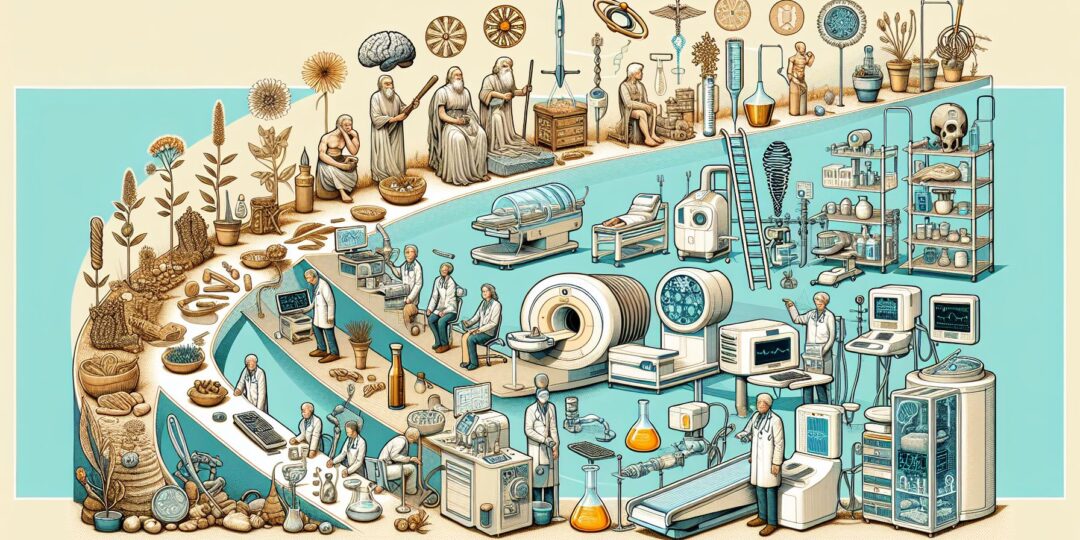
The medical field has witnessed remarkable advancements in recent years, with a key catalyst being the development of innovative medical products. These groundbreaking technologies have revolutionized the healthcare industry, leading to improved patient outcomes, enhanced diagnostic capabilities, and more efficient treatment methods. In this blog post, we will explore the role of medical products in driving this remarkable transformation.

Introduction: Leveraging Modern Medical Products to Transform Healthcare

Medical products cover a broad spectrum, ranging from cutting-edge diagnostic tools to advanced surgical equipment and life-saving pharmaceuticals. These innovations have played a crucial role in reshaping modern healthcare practices. By harnessing the power of technology, medical products have enabled healthcare professionals to provide accurate diagnoses, equipped them with effective tools for treatment, and ultimately transformed patient care.

The Emergence of Advanced Diagnostic Tools

Gone are the days when physicians relied solely on physical examination and basic laboratory tests for diagnosis. With the advent of medical products such as magnetic resonance imaging (MRI), computerized tomography (CT) scans, and genetic testing, healthcare professionals can now delve deep into the human body, identifying ailments and abnormalities with unparalleled precision. These state-of-the-art diagnostic tools have not only improved accuracy but have also allowed for earlier detection of diseases, significantly increasing the chances of successful treatment.

Advances in Surgical Equipment and Techniques

The evolution of medical products has also greatly impacted surgical practices. Surgeons now have access to high-tech tools that enable minimally invasive procedures, reducing patient trauma and recovery time. Surgical robots, for example, have revolutionized the precision and safety of complex surgeries, while 3D printing technology has made patient-specific implants and prosthetics a reality. As medical products continue to evolve, surgical interventions are becoming increasingly precise, resulting in reduced complications and enhanced patient satisfaction.

Enabling Personalized Treatment through Pharmaceutical Innovations

Medical products extend beyond diagnostics and surgical tools; they also encompass pharmaceutical advancements. The development of targeted therapies, precision medicine, and gene therapies has opened new doors for personalized treatment. These innovations have the potential to revolutionize the treatment of various diseases, including cancer and genetic disorders. By tailoring medications to an individual’s genetic make-up or disease characteristics, medical products are increasing treatment efficacy and minimizing adverse effects.

Conclusion: A Bright Future Ahead

The medical products industry is characterized by its dynamic nature and relentless pursuit of innovation. As technology continues to advance, the possibilities for medical product development are seemingly limitless. From state-of-the-art diagnostic tools to advanced surgical equipment and personalized pharmaceuticals, medical products are driving the evolution of healthcare, ultimately enhancing patient care and outcomes. With this ongoing revolution in medical products, we can look forward to a brighter, healthier future for all.…

Continue reading

The Evolution of Medical Products and the Booming Industry

Advancements in medical technology have revolutionized healthcare and significantly impacted the lives of patients and practitioners alike. The medical products industry has played a crucial role in this transformation, continually pushing boundaries and striving for innovations that enhance patient care, improve outcomes, and simplify medical procedures. From humble beginnings to a booming industry, this sector has truly come a long way.

The Early Days

The journey of medical products starts centuries ago when medical practitioners relied on rudimentary tools and techniques. Instruments such as leeches, lancets, and bone saws were commonly used, emphasizing the need for safer, more effective solutions. Over time, research and technological developments paved the way for new medical products that proved to be game-changers.

The Rise of Medical Products Industry

With growing demand and the desire for improved healthcare, the medical products industry began to flourish. The industry embraced new manufacturing techniques, such as mass production and sterilization, which allowed for the creation of a wide range of medical devices. Products like surgical instruments, prosthetics, and X-ray machines became readily available, empowering medical professionals and enabling them to provide better care to their patients.

Technological Innovations

Advancements in technology have been the driving force behind the evolution of medical products. From the discovery of antibiotics and the development of vaccines to the introduction of minimally invasive surgical techniques, these breakthroughs have revolutionized patient care. The advent of digital health technologies, including wearable devices, telemedicine, and electronic health records, has further propelled the industry forward, delivering healthcare that is more personalized, efficient, and accessible.

Improving Patient Experience and Outcomes

Medical products have played a vital role in enhancing the patient experience and improving health outcomes. Innovations such as artificial limbs and advanced prosthetics have restored mobility and independence to countless individuals, significantly improving their quality of life. Similarly, medical imaging technologies, such as MRI and CT scanners, have enabled earlier and more accurate diagnoses. This early detection has been instrumental in providing timely treatment, ultimately saving lives.

Challenges and Future Prospects

While the medical products industry has achieved remarkable advancements, it also faces several challenges. Stricter regulatory requirements, intellectual property concerns, and cost pressures are just a few of the obstacles that manufacturers must navigate. However, these challenges also present opportunities for further innovation and collaboration to drive the industry forward.

Looking ahead, the future of the medical products industry seems promising. Rapidly evolving fields like nanotechnology, robotics, and biotechnology hold immense potential for developing cutting-edge medical products. These breakthroughs have the potential to further streamline healthcare, open doors to personalized medicine, and drive better patient outcomes.

In conclusion, the medical products industry has witnessed tremendous growth and innovation over the years, transforming healthcare as we know it. With advancements in technology and a relentless pursuit of excellence, medical products continue to enhance patient care experiences and improve outcomes. As the industry surges forward, it is poised to shape the future of healthcare, creating a world where medical miracles become routine.…

Continue reading

The Transformation of the Medical Products Industry

The medical products industry plays a critical role in the advancement of healthcare. From life-saving devices to innovative drugs, these products have greatly contributed to improving patient outcomes and enhancing the quality of care. Over the years, this industry has undergone a significant transformation, driven by technological advancements and changing healthcare needs.

Introduction: The Importance of the Medical Products Industry

The medical products industry encompasses a wide range of goods, including pharmaceuticals, medical devices, and diagnostic equipment. These products are developed and manufactured by a diverse group of companies, ranging from large pharmaceutical giants to small start-ups specializing in cutting-edge technologies. The significance of this industry cannot be overstated, as it directly impacts the treatment options available to healthcare professionals and patients.

Body: Technological Advancements Driving Innovation

One key factor that has propelled the medical products industry forward is rapid technological advancement. Breakthroughs in fields such as biotechnology, nanotechnology, and digital health have revolutionized the way medical products are researched, developed, and utilized in clinical practice.

For instance, the rise of biologics, which are a type of pharmaceutical derived from living organisms, has opened up new avenues for treating complex diseases such as cancer and autoimmune disorders. Biologics offer targeted therapy that often yields more precise and effective results than traditional chemical-based drugs.

Furthermore, medical devices have become increasingly sophisticated, leveraging technologies like artificial intelligence (AI) and the Internet of Things (IoT). From wearable devices that monitor vital signs in real-time to robotic surgical systems that enhance precision during complex procedures, these technological advancements have greatly improved patient care.

In addition to technological advancements, the medical products industry has experienced a paradigm shift in its focus. Traditionally, the industry primarily focused on treating and managing diseases. Today, there is a growing emphasis on preventive healthcare, personalized medicine, and patient-centered care.

Conclusion: Unlocking Potential for Future Healthcare

In conclusion, the medical products industry has witnessed significant transformations driven by technological advancements and changing healthcare needs. These innovations have not only improved patient outcomes but also expanded treatment options and enhanced the overall quality of care.

As the medical products industry continues to evolve, it holds enormous potential for future healthcare. The development of novel therapies, precision medicine, and personalized treatment approaches are just a few areas where we can expect further advancements. Moreover, the collaboration between the medical products industry and healthcare professionals will be key in harnessing these innovations to address the ever-growing healthcare challenges faced by society.

In this era of rapid innovation, the medical products industry is poised to revolutionize healthcare by bringing new hope to patients, supporting healthcare professionals, and ultimately transforming the way we view and approach medical treatments.…

Continue reading

The Evolution of Medical Products and the Booming Industry

The medical field has undergone significant advancements over the years, revolutionizing the way we diagnose, treat, and prevent diseases. Central to these advancements are the innovative medical products that have emerged and the thriving industry that supports their development. In this article, we will delve into the evolution and impact of medical products on the healthcare sector.

The Power of Medical Products

Medical products encompass a wide range of tools, devices, and equipment utilized by healthcare professionals to enhance patient care. From simple stethoscopes to state-of-the-art MRI machines, these products play a pivotal role in diagnosing illnesses, monitoring health, and delivering effective treatments.

The development of medical products has significantly improved patient outcomes and revolutionized medical practices. Diagnostic tests, such as blood tests and imaging techniques, have become more accurate and expeditious, aiding in early disease detection. Advanced surgical tools have made intricate procedures more accessible and less invasive, leading to faster recovery times and reduced risks for patients.

The Growing Industry

The medical product industry has experienced remarkable growth over the years, driven by technological advancements, increased healthcare spending, and a growing demand for innovative solutions. The global medical device market is expected to exceed $600 billion by 2027, highlighting the industry’s colossal economic impact.

This growth can be attributed to numerous factors, including the rise of chronic diseases, aging populations, and the need for personalized healthcare solutions. As a result, companies have ramped up their research and development efforts to meet these demands, fostering a fiercely competitive market.

Addressing Global Challenges

Medical products have played a crucial role in addressing global health challenges. For instance, portable diagnostic devices have facilitated healthcare delivery in remote areas, enabling timely disease detection and intervention. Similarly, telemedicine platforms have bridged the gap between doctors and patients, providing virtual access to medical professionals and improving healthcare accessibility.

Moreover, medical products have addressed vital issues in public health. The development of vaccines and drug delivery systems has contributed to the eradication of diseases and the control of epidemics. Additionally, innovations in prosthetic limbs and assistive devices have improved the quality of life for individuals with disabilities.

The Future of Medical Products

The future holds immense promise for medical products and the industry as a whole. With the advent of artificial intelligence, machine learning, and nanotechnology, we can expect groundbreaking advancements in diagnostic accuracy, treatment effectiveness, and patient care.

The proliferation of wearable devices will empower individuals to monitor their health in real-time, enabling early intervention and personalized preventive care. Furthermore, 3D printing technology will enhance the production of customized medical devices, reducing costs and increasing accessibility.

In conclusion, medical products have revolutionized the healthcare sector, shaping the way diseases are diagnosed, treated, and prevented. The industry’s continuous growth and technological advancements promise an exciting future, where medical products will play an even more significant role in improving patient outcomes and healthcare delivery. As we strive for a healthier world, let us embrace the transformative power of medical products and support the industry’s ongoing innovation efforts.…

Continue reading

Medical Products and the Thriving Industry

The medical industry is one of the most critical sectors worldwide, dedicated to improving the health and well-being of individuals. It is a vast and diverse industry, encompassing various stakeholders, from healthcare providers to pharmaceutical companies. A significant aspect of this industry is the development and utilization of medical products. These products play an essential role in the prevention, diagnosis, treatment, and management of diseases and medical conditions. In this blog post, we will discuss the significance of medical products and the thriving industry behind their creation.

Importance of Medical Products

Medical products refer to a broad range of items utilized within the medical field, including medicines, medical devices, diagnostic tools, and protective equipment. These products are designed to provide essential solutions for medical professionals, allowing them to deliver efficient healthcare services. Without medical products, the diagnosis of diseases would be more challenging, treatments would be less effective, and patient care would be compromised.

Medical products are vital in preventing the spread of diseases. Vaccines, for instance, have played a pivotal role in eradicating deadly diseases or significantly reducing their impact. They have saved countless lives across the globe. Furthermore, medical devices, such as heart monitors and defibrillators, help healthcare professionals identify and respond to critical medical conditions promptly.

In the pharmaceutical world, medical products, such as medicines and drugs, are developed to combat various diseases. These innovative solutions enhance the quality of life for individuals with chronic illnesses or life-threatening conditions. Additionally, medical products such as prosthetics and implants improve the quality of life for individuals with disabilities, allowing them to regain mobility and independence.

The Thriving Industry

The medical product industry has experienced remarkable growth and innovation in recent years. Advancements in technology, research, and development have contributed significantly to this thriving industry. Pharmaceutical companies invest billions of dollars in research, clinical trials, and production to bring life-saving drugs to the market. Medical device manufacturers constantly innovate to develop groundbreaking tools, making medical procedures more efficient and safer for patients.

The industry’s growth is driven not only by the increasing demand for medical products but also by the evolving healthcare landscape. As the global population grows and ages, the need for effective medical solutions continues to rise. The growing prevalence of chronic diseases, coupled with advancements in medical technology, creates a constant need for new and improved medical products.

Furthermore, heightened public awareness of health and wellness has further propelled the industry’s growth. People are now more proactive in seeking medical care and turning to medical products to maintain and improve their overall health. This trend has created a substantial market for medical products, driving pharmaceutical companies and medical device manufacturers to meet the rising demand.

In conclusion, medical products are indispensable components of the medical industry. These products contribute significantly to disease prevention, diagnosis, treatment, and overall patient care. The thriving medical product industry, driven by advancements in technology, research, and development, serves a crucial role in meeting the increasing demand for healthcare solutions. As innovation continues, we can expect even more groundbreaking medical products that will transform the way we diagnose, treat, and manage diseases, ultimately enhancing the quality of life for individuals around the world.…

Continue reading

Advances in Medical Products: Revolutionizing the Healthcare Industry

The healthcare industry has witnessed remarkable advancements in medical products that have revolutionized patient care. From diagnostic tools to life-saving devices, these innovative products have significantly improved the quality of healthcare and patient outcomes. In this blog post, we will explore some of the latest medical products and their impact on the industry.

Introduction to Medical Products

Medical products encompass a wide range of tools, instruments, equipment, and pharmaceuticals used in the prevention, diagnosis, treatment, and management of diseases. Over the years, technological advancements have played a pivotal role in the development of more efficient and accurate medical products, transforming the healthcare landscape.

The Impact of Diagnostic Tools

Modern diagnostic tools have greatly enhanced the accuracy and speed of disease detection. For instance, advanced imaging techniques such as magnetic resonance imaging (MRI), computed tomography (CT), and ultrasound provide detailed images of internal organs, aiding in the early diagnosis and treatment of various conditions. Additionally, diagnostic blood tests now utilize molecular biology techniques to identify specific genetic markers, enabling personalized medicine and targeted therapies.

Innovative Medical Devices

The advent of innovative medical devices has significantly improved patient care and treatment outcomes. For instance, the development of minimally invasive surgical techniques, supported by high-tech instruments like laparoscopes and robotic surgical systems, has revolutionized surgical procedures. These tools offer improved precision, reduced scarring, shorter recovery periods, and decreased risk of complications.

Moreover, the rise of wearable medical devices has empowered patients to take control of their health. Devices such as smartwatches and fitness trackers can monitor vital signs, track physical activity, and alert users to potential health risks. This real-time data not only facilitates preventive care but also assists healthcare professionals in making accurate diagnoses and personalized treatment plans.

Pharmaceutical Advancements

Pharmaceutical advancements have brought about groundbreaking treatments and therapies for various diseases. The discovery of new drugs and vaccines has significantly improved patient outcomes, sometimes even offering a cure for once untreatable conditions. Furthermore, the application of nanotechnology in drug delivery systems has enhanced drug efficacy, reduced side effects, and increased patient compliance.

The Future of Medical Products

As the healthcare industry continues to evolve, the future holds even more promising medical products. Artificial intelligence (AI) is already making its mark by assisting in diagnosis, drug discovery, and robotic surgeries. Virtual reality (VR) and augmented reality (AR) are likely to enhance medical training and patient education. Moreover, the growing field of regenerative medicine offers hope for the replacement or repair of damaged organs and tissues.

Conclusion

Medical products have come a long way in transforming healthcare and patient outcomes. From improved diagnostic tools to innovative medical devices and advancements in pharmaceuticals, these products have revolutionized medical care. As technology continues to advance, exciting possibilities lie ahead, promising a brighter future for the healthcare industry and patients. Let us embrace these advancements and embark on a journey towards better health and well-being.…

Continue reading

The Revolutionary Advancements in the Medical Products and Industry

The medical products and industry have always played a critical role in our society. From the discovery of antibiotics to the development of cutting-edge medical devices, this industry has continuously evolved to enhance healthcare and improve the quality of our lives. In recent years, we have witnessed remarkable advancements in medical products that have revolutionized the field. In this article, we will explore some of these groundbreaking innovations and their impact on both patients and healthcare professionals.

The Rise of Personalized Medicine

Personalized medicine has emerged as a game-changer in the medical industry. This approach tailors medical treatments to individual characteristics, such as genetic makeup, lifestyle, and environmental factors. It enables healthcare professionals to provide more accurate diagnoses and develop personalized treatment plans. The advent of genomics and advanced diagnostic tools has paved the way for targeted therapies, minimizing adverse effects and maximizing treatment efficacy.

Wearable Technology for Monitoring and Prevention

Wearable devices have become increasingly popular and have found their place in the medical industry. These devices, such as smartwatches and fitness trackers, go beyond monitoring daily activities and exercise. They now offer vital health data, including heart rate, sleep patterns, and even electrocardiograms. This technology allows individuals to take control of their health by proactively identifying potential health issues and enabling early prevention. Healthcare professionals also benefit from this data, as it enhances their ability to diagnose and treat patients remotely.

Telemedicine and Virtual Healthcare

The COVID-19 pandemic has accelerated the adoption of telemedicine and virtual healthcare solutions. This technology has bridged the gap between patients and healthcare providers, making healthcare accessible to all, regardless of location. Virtual consultations, remote monitoring, and telehealth platforms have revolutionized healthcare delivery, particularly in rural and underserved areas. Patients can now receive medical advice, prescriptions, and therapy sessions from the comfort of their homes. Telemedicine has proven to be a cost-effective and time-saving solution, benefiting patients, providers, and the overall healthcare system.

Innovative Surgical Techniques and Robotics

Advancements in medical products extend to the surgical field as well. Minimally invasive procedures, aided by robotic systems and surgical robots, have transformed the way surgeries are performed. These techniques offer increased precision, reduced scarring, minimized blood loss, and faster recovery times. Surgeons can now perform complex procedures with enhanced dexterity and accuracy, ultimately leading to improved patient outcomes.

Conclusion

The medical products and industry continue to evolve at a rapid pace, offering groundbreaking solutions to some of our most challenging healthcare problems. From personalized medicine and wearable technology to telemedicine and robotics, these advancements have significantly impacted patient care and changed the way healthcare professionals approach treatment. As we look ahead, it is clear that the medical industry will continue to push boundaries, revolutionizing healthcare and ultimately improving our lives.…

Continue reading

The Evolution of Medical Products and the Rapid Growth of the Industry

The medical industry has seen significant advancements over the years, with continuous research and development leading to the creation of innovative medical products. These products play a crucial role in improving patient care, enhancing diagnostic abilities, and revolutionizing treatment options. Let’s explore the evolution of medical products and the rapid growth of the industry.

Introduction: The Importance of Medical Products in Healthcare

Medical products encompass a wide range of devices, equipment, and pharmaceuticals designed to diagnose, treat, and prevent various medical conditions. From basic bandages to cutting-edge robotic surgical systems, these products are instrumental in providing effective healthcare solutions to patients worldwide.

The Evolution of Medical Products

The journey of medical products dates back centuries, with advancements occurring parallelly across diverse domains. In ancient times, basic medical instruments like scalpels and forceps were fabricated from materials such as bone, wood, and copper. As medical knowledge grew, so did the complexity and sophistication of the tools.

The Industrial Revolution further fueled the evolution of medical products. The advent of mass production techniques led to the manufacturing of standardized and affordable medical devices. However, the most significant advancements in medical products occurred during the 20th century, driven by technological breakthroughs and scientific discoveries.

Technological Revolution: Catalyst for Growth

The development of medical products accelerated tremendously with the arrival of cutting-edge technologies. The discovery of X-rays by Wilhelm Roentgen in 1895 revolutionized diagnostic imaging. This breakthrough allowed for non-invasive visualization of internal structures, aiding in accurate diagnoses.

In recent decades, incredible progress has been made in various fields such as pharmaceuticals, diagnostics, surgical procedures, and healthcare monitoring equipment. Digital advancements have led to the creation of portable medical devices, wearable sensors, and personalized medicine, transforming the way healthcare is delivered.

The Rapid Growth of the Medical Industry

The medical industry has experienced exponential growth, with an increasing demand for effective and accessible healthcare. Factors such as an aging population, rising prevalence of chronic diseases, and technological advancements have fueled this growth.

Pharmaceutical companies are constantly developing new drugs and therapies to address unmet medical needs. Medical device manufacturers are designing innovative devices, such as artificial organs, robotic surgical systems, and implantable devices, to improve patient outcomes.

Conclusion: The Future of Medical Products

As technology continues to advance, the future of medical products holds immense promise. Artificial intelligence (AI), nanotechnology, and 3D printing are just a few examples of areas that will revolutionize the medical industry in the coming years. The focus will be on creating more personalized, precise, and cost-effective medical products to enhance patient care.

The medical industry will continue to rely on research and development, collaboration between healthcare professionals and manufacturers, and regulatory frameworks to ensure the safety and efficacy of medical products.

In conclusion, medical products have come a long way, transforming healthcare and revolutionizing patient treatment options. With ongoing advancements and a rapidly growing industry, the future of medical products looks brighter than ever before. Embracing these innovations will undoubtedly pave the way for better healthcare outcomes for individuals around the globe.…

Continue reading

Medical Products and the Ever-Growing Industry

The medical industry is continuously evolving, and with advancements in technology and research, it is crucial to stay up-to-date with the latest medical products available. These products play a vital role in improving patient outcomes, enhancing healthcare provider efficiency, and shaping the future of medicine. In this blog post, we will explore the significance of medical products and their impact on the healthcare industry.

How Medical Products are Revolutionizing Healthcare

Medical products encompass a wide range of devices, equipment, and pharmaceuticals that aid healthcare professionals in diagnosing, treating, and monitoring various medical conditions. From simple tools like thermometers and stethoscopes to sophisticated imaging technologies and robotic surgical systems, these products have revolutionized the way healthcare is delivered.

For instance, advanced imaging techniques such as magnetic resonance imaging (MRI) and computed tomography (CT) scans provide detailed and precise images of internal structures, enabling physicians to make accurate diagnoses. Similarly, robotic surgical systems allow for minimally invasive surgeries with improved precision, reducing patient complications and recovery time. These medical products have truly transformed the healthcare landscape, enhancing patient care and outcomes.

The Role of Medical Products in Enhancing Patient Care

Medical products not only enable healthcare providers to provide accurate diagnoses and perform complex procedures but also improve the overall patient experience. Innovations in medical devices have led to the development of wearable devices and point-of-care testing, elevating patient monitoring and self-management.

Wearable devices, such as fitness trackers and smartwatches, now have medical applications, allowing individuals to monitor their heart rate, blood pressure, and sleep patterns. This data provides valuable insights to both patients and healthcare providers, enabling proactive interventions and personalized care. Similarly, point-of-care testing devices allow for rapid diagnosis and monitoring of conditions, making healthcare more accessible and efficient.

The Future of Medical Products

As technology continues to advance rapidly, the future of medical products looks promising. Telemedicine is gaining popularity, enabling patients to receive medical consultations remotely through various digital platforms. This growing trend enables individuals to access healthcare services more conveniently, irrespective of their geographical location.

Moreover, the field of nanotechnology holds immense potential in developing new medical products. Nanoscale devices and treatments can target specific cells or tissues, delivering therapies with unprecedented precision. These advancements have the potential to revolutionize disease treatment and prevention, offering more tailored and effective healthcare.

Conclusion

Medical products are invaluable assets within the healthcare industry. From improving diagnosis accuracy to enhancing patient care and revolutionizing surgical procedures, these products are at the forefront of medical advancements. As technology continues to advance, we can expect further innovations in medical products, providing new opportunities for improved patient outcomes, personalized care, and efficient healthcare delivery. The evolving medical product industry continues to shape the future of medicine, making healthcare more accessible, precise, and patient-centered.…

Continue reading