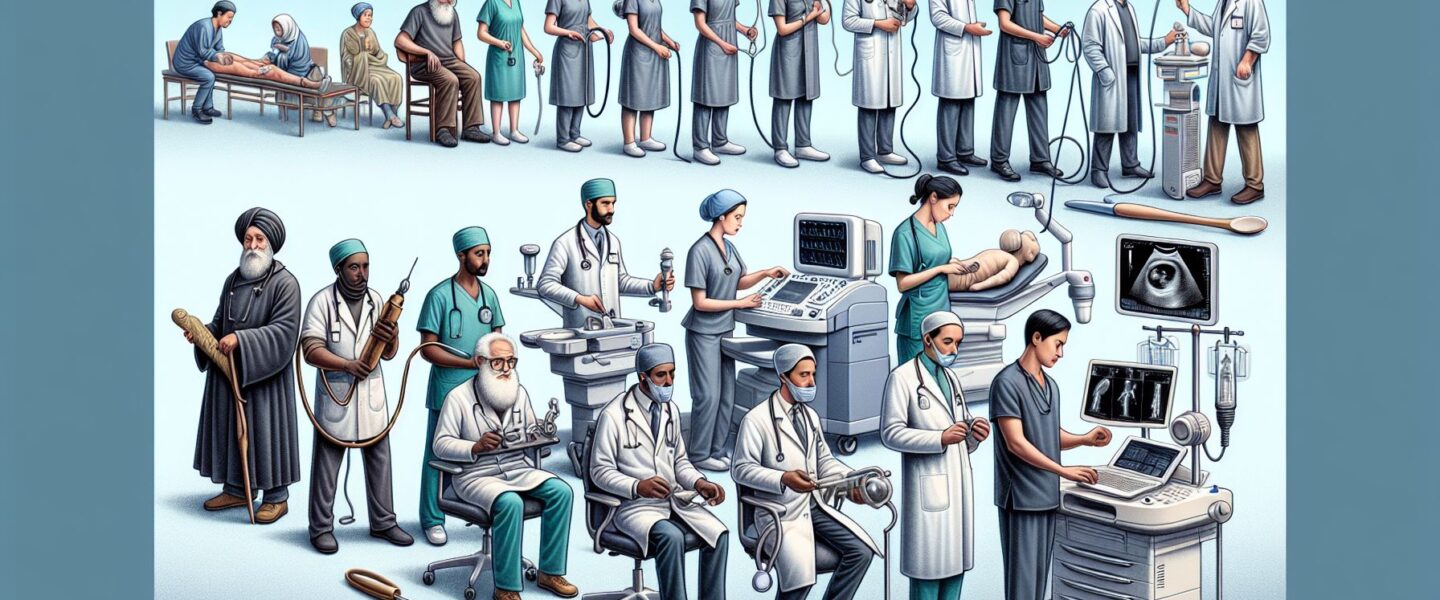
In recent years, the healthcare industry has witnessed remarkable advancements in medical products. These innovative creations have revolutionized the way medical professionals diagnose and treat various illnesses. From cutting-edge equipment to life-saving medications, the medical product industry has profoundly impacted patient care and outcomes. In this article, we will explore the significance of medical products and their role in the ever-evolving healthcare sector.
The Importance of Medical Products
Medical products play a fundamental role in enhancing the quality of patient care. They provide healthcare professionals with the tools necessary for accurate diagnosis and effective treatment. Diagnostic equipment, such as MRI machines and CT scanners, enable physicians to identify ailments with unprecedented precision. This early detection not only enables prompt intervention but also improves patient prognosis.
Moreover, medical products encompass a wide range of medications that have transformed the treatment landscape. From antibiotics that combat infections to advanced chemotherapy drugs targeting cancer cells, pharmaceutical developments have saved countless lives. These medications have revolutionized treatment plans and significantly increased life expectancy rates for many individuals.
Technological Advancements in Medical Products
One of the driving forces behind the progression of medical products is the rapid advancement of technology. Technological breakthroughs have paved the way for more accurate diagnostics, non-invasive treatments, and improved patient experiences. For instance, minimally invasive surgical techniques, facilitated by specialized medical instruments, have revolutionized the field of surgery. Patients now benefit from smaller incisions, reduced scarring, and faster recovery times.
Artificial intelligence (AI) is another technological advancement making significant contributions to medical products and their applications. AI algorithms can analyze vast amounts of medical data, enabling more accurate diagnoses and personalized treatment plans. Additionally, wearable devices and health monitoring applications provide patients with increased control over their healthcare and allow healthcare professionals to remotely monitor their well-being.
Challenges and Future Directions
While the advancements in medical products have been remarkable, the industry still faces several challenges. Ensuring the safety and efficacy of new medical products through rigorous testing and regulations is crucial. It is essential to strike a balance between innovation and patient safety to prevent any potential harm caused by faulty or unproven products.
In the future, the medical product industry is poised to continue its transformative journey. As technology continues to progress at an unprecedented rate, we can expect more sophisticated medical products to enter the market. From gene therapies to personalized medicine, the possibilities are both exciting and daunting. Continual investment in research and development is necessary to fuel these advancements and ensure the delivery of efficient and affordable healthcare for all.
Conclusion
Medical products hold immense importance in the healthcare industry, propelling advancements in diagnosis, treatment, and patient care. From state-of-the-art equipment to life-saving medications, medical products have significantly improved patient outcomes and revolutionized healthcare delivery. With continuous technological advancements and ongoing research, the future of medical products appears promising. As the industry drives forward, it is crucial to prioritize patient safety and continue to innovate in order to meet the healthcare needs of an ever-evolving world.