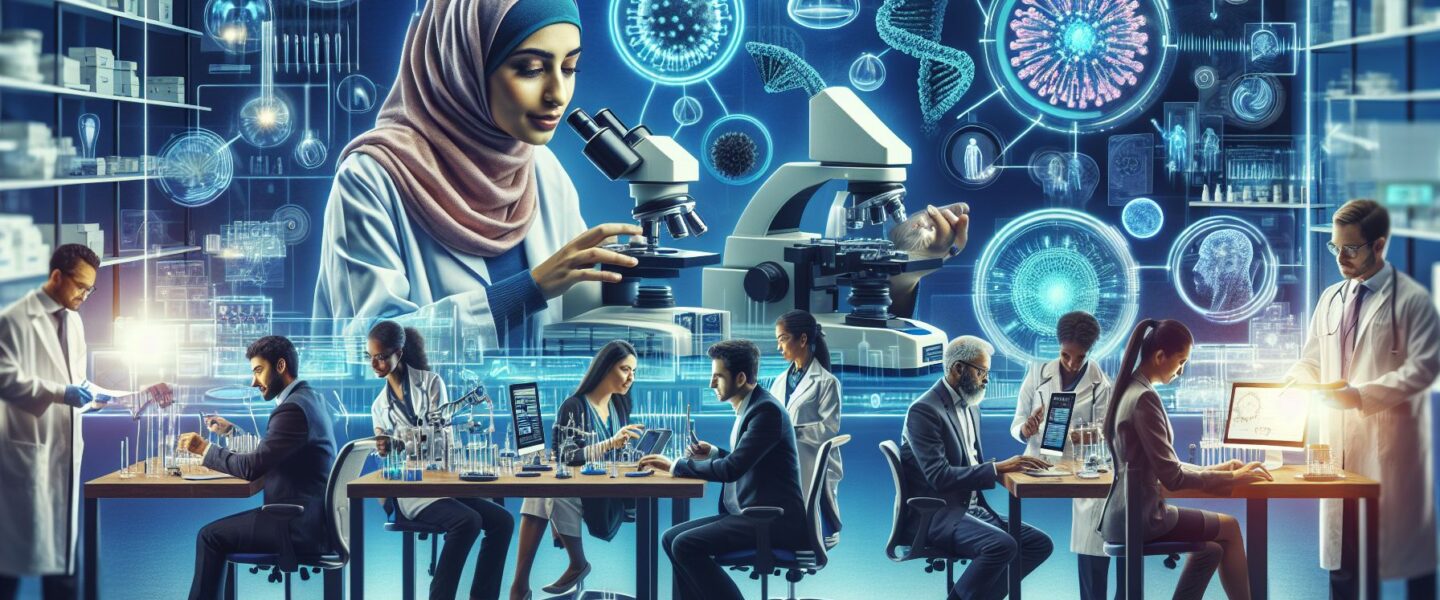
The medical products industry plays a vital role in our society by providing healthcare professionals with the tools they need to diagnose, treat, and care for their patients. From life-saving devices to cutting-edge medical technologies, this industry is constantly evolving to improve patient outcomes and revolutionize the field of healthcare.
The Importance of Medical Products
Medical products encompass a wide range of items, including diagnostic equipment, surgical instruments, prosthetics, implants, and much more. These products are indispensable in the medical field as they enable healthcare professionals to deliver accurate diagnoses, perform complex surgeries, and enhance patients’ quality of life.
One of the fundamental aspects of medical products is their ability to aid in early detection and prevention. Diagnostic equipment such as ultrasound machines, X-ray systems, and blood test analyzers empower healthcare providers to identify potential health issues at their earliest stages. By catching diseases early on, medical professionals can initiate timely interventions and prevent the progression of illnesses, ultimately saving lives.
Technological Advancements in Medical Products
Over the years, the medical products industry has witnessed remarkable strides in technology. Innovations have led to the development of state-of-the-art medical devices and appliances that improve both patient care and clinician efficiency.
For instance, robotics and artificial intelligence (AI) have paved the way for exciting developments in surgical procedures. Robotic-assisted surgeries have become increasingly prevalent, allowing for greater precision and accuracy, shorter recovery times, and reduced invasiveness. Additionally, AI algorithms are being applied to vast datasets, aiding in disease diagnosis and personalized treatment plans.
Another area where technological advancements have had a significant impact is in the field of prosthetics and implants. With the advent of 3D printing technology, the production of customized prosthetics and implants has become more accessible, affordable, and efficient. This innovative approach enables the creation of devices tailored specifically to each patient’s unique needs, leading to enhanced comfort and better functional outcomes.
Challenges and Future Innovations
While the medical products industry has continually introduced groundbreaking technologies, it also faces numerous challenges. Patient safety and regulatory compliance are two critical aspects that manufacturers must address responsibly. Stricter regulations, rigorous testing procedures, and ongoing quality control measures are essential to ensure the reliability and safety of medical products.
Looking forward, the future of the medical products industry holds great promise. Emerging technologies, such as nanotechnology and wearable devices, are set to revolutionize healthcare. Nanotechnology may enable targeted drug delivery systems, while wearable devices can monitor patients’ vital signs and transmit real-time data, allowing for remote patient monitoring and improved care coordination.
Conclusion
The medical products industry is essential to the advancement of healthcare, constantly seeking innovative solutions to improve patient outcomes and enhance the quality of care. Technological advancements have revolutionized this industry, enabling early disease detection, sophisticated surgical procedures, and specialized prosthetics. Challenges such as patient safety and regulatory compliance must be met head-on to ensure the continued progress and reliability of medical products. With promising future innovations on the horizon, the medical products industry remains at the forefront of transforming the way healthcare is delivered in the modern world.