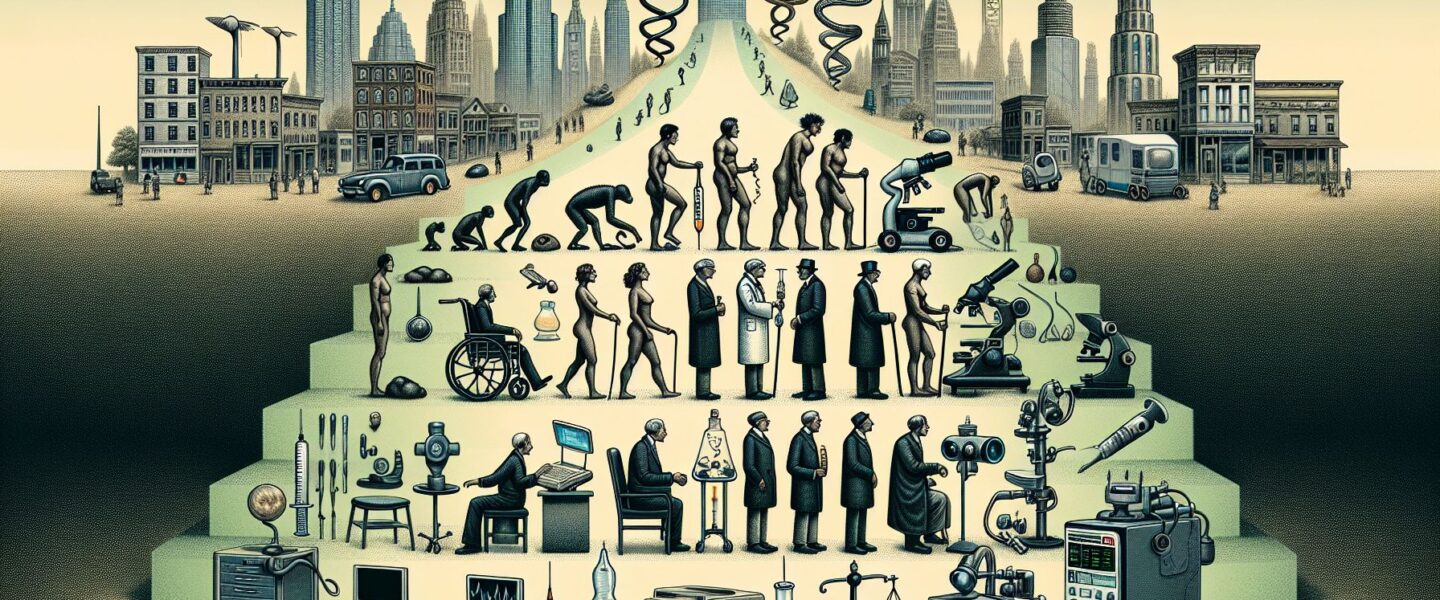
The medical industry has seen significant advancements over the years, with continuous research and development leading to the creation of innovative medical products. These products play a crucial role in improving patient care, enhancing diagnostic abilities, and revolutionizing treatment options. Let’s explore the evolution of medical products and the rapid growth of the industry.
Introduction: The Importance of Medical Products in Healthcare
Medical products encompass a wide range of devices, equipment, and pharmaceuticals designed to diagnose, treat, and prevent various medical conditions. From basic bandages to cutting-edge robotic surgical systems, these products are instrumental in providing effective healthcare solutions to patients worldwide.
The Evolution of Medical Products
The journey of medical products dates back centuries, with advancements occurring parallelly across diverse domains. In ancient times, basic medical instruments like scalpels and forceps were fabricated from materials such as bone, wood, and copper. As medical knowledge grew, so did the complexity and sophistication of the tools.
The Industrial Revolution further fueled the evolution of medical products. The advent of mass production techniques led to the manufacturing of standardized and affordable medical devices. However, the most significant advancements in medical products occurred during the 20th century, driven by technological breakthroughs and scientific discoveries.
Technological Revolution: Catalyst for Growth
The development of medical products accelerated tremendously with the arrival of cutting-edge technologies. The discovery of X-rays by Wilhelm Roentgen in 1895 revolutionized diagnostic imaging. This breakthrough allowed for non-invasive visualization of internal structures, aiding in accurate diagnoses.
In recent decades, incredible progress has been made in various fields such as pharmaceuticals, diagnostics, surgical procedures, and healthcare monitoring equipment. Digital advancements have led to the creation of portable medical devices, wearable sensors, and personalized medicine, transforming the way healthcare is delivered.
The Rapid Growth of the Medical Industry
The medical industry has experienced exponential growth, with an increasing demand for effective and accessible healthcare. Factors such as an aging population, rising prevalence of chronic diseases, and technological advancements have fueled this growth.
Pharmaceutical companies are constantly developing new drugs and therapies to address unmet medical needs. Medical device manufacturers are designing innovative devices, such as artificial organs, robotic surgical systems, and implantable devices, to improve patient outcomes.
Conclusion: The Future of Medical Products
As technology continues to advance, the future of medical products holds immense promise. Artificial intelligence (AI), nanotechnology, and 3D printing are just a few examples of areas that will revolutionize the medical industry in the coming years. The focus will be on creating more personalized, precise, and cost-effective medical products to enhance patient care.
The medical industry will continue to rely on research and development, collaboration between healthcare professionals and manufacturers, and regulatory frameworks to ensure the safety and efficacy of medical products.
In conclusion, medical products have come a long way, transforming healthcare and revolutionizing patient treatment options. With ongoing advancements and a rapidly growing industry, the future of medical products looks brighter than ever before. Embracing these innovations will undoubtedly pave the way for better healthcare outcomes for individuals around the globe.