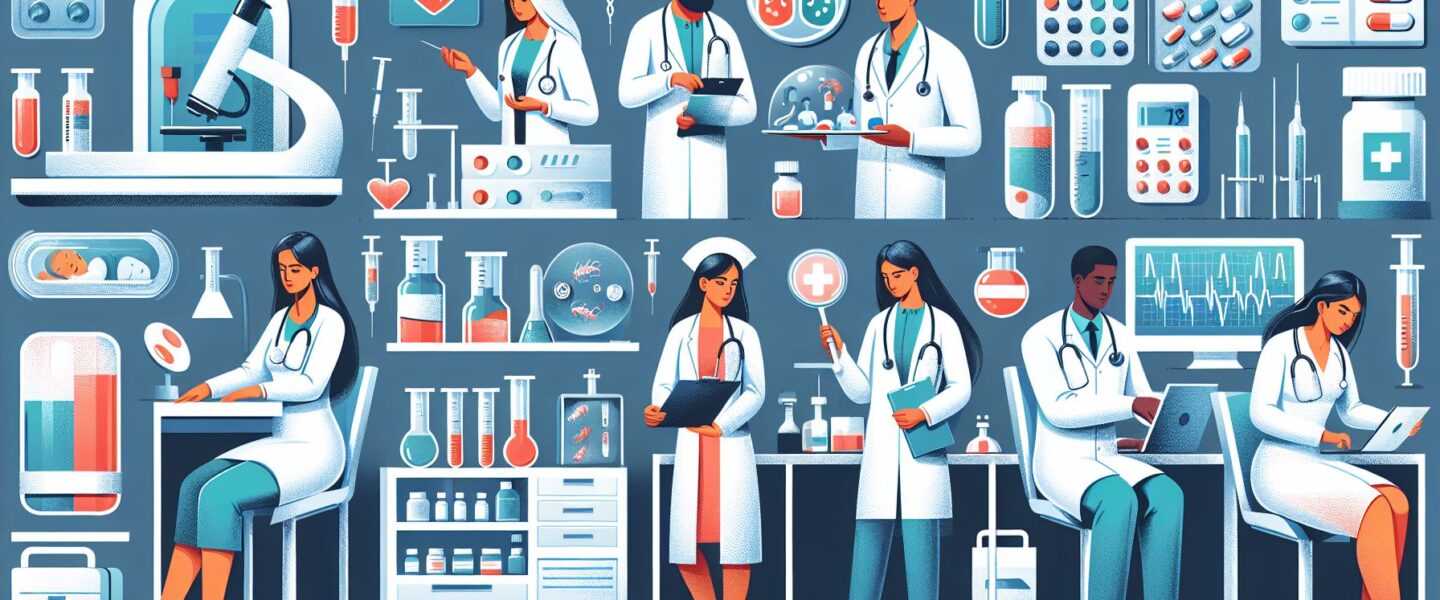
Medical products and the industry surrounding them play a crucial role in our lives. From the smallest bandages to life-saving medications, these products help us prevent, diagnose, and treat various diseases and injuries. In this article, we will dive deeper into the significance of medical products and shed light on the booming industry that supports their development and distribution.
The Role of Medical Products
Medical products encompass a wide range of items designed to improve our well-being. They include pharmaceuticals, medical devices, personal protective equipment (PPE), diagnostic tools, and much more. These products serve different purposes, but they all share the ultimate goal of promoting health and saving lives.
Pharmaceuticals, such as antibiotics, vaccines, and painkillers, are critical for preventing and curing illnesses. They allow us to combat infections, manage chronic conditions, and alleviate pain. Medical devices, on the other hand, assist in various healthcare procedures. They can range from simple devices, like thermometers and blood pressure monitors, to complex equipment, such as MRI scanners and robotic surgical systems.
Moreover, the ongoing COVID-19 pandemic has brought immense attention to personal protective equipment. Masks, gloves, and gowns have become essential in preventing the spread of the virus and protecting healthcare workers on the frontlines.
The Growth of the Medical Industry
The medical product industry has experienced tremendous growth over the years. Technological advancements, increased research and development efforts, and rising healthcare demands have contributed to its expansion. In 2019, the global medical device market alone was valued at over $425 billion and is projected to reach $612 billion by 2025.
The key players in the medical industry include pharmaceutical companies, medical device manufacturers, suppliers, and distributors. These entities collaborate to ensure the continuous development and availability of high-quality medical products. Additionally, regulatory bodies such as the Food and Drug Administration (FDA) oversee the safety and efficacy of these products.
Ensuring Accessibility and Affordability
As the medical industry continues to flourish, it is crucial to address two significant challenges: accessibility and affordability. Medical products should be available to people in all communities, regardless of their economic status or geographical location. Unfortunately, in many parts of the world, access to essential medical products remains limited.
Moreover, the high cost of medical products can be a barrier to their accessibility. Health insurance coverage and government regulations can influence the affordability of these products, but more efforts are needed to make them accessible to all.
Conclusion: A Lifeline for Humanity
Medical products are not just commodities; they are lifelines that connect us to better health and well-being. From treating common ailments to battling life-threatening diseases, these products have an irreplaceable impact on our lives. The medical product industry continues to evolve, providing us with innovative solutions and improved healthcare outcomes.
Together, we must strive for an inclusive healthcare system that ensures the accessibility and affordability of medical products. By supporting the growth and development of this industry, we invest in a healthier future for humanity.