Category: General

The Importance of Medical Products in the Healthcare Industry

The medical products industry plays a crucial role in providing essential tools and equipment for healthcare professionals to diagnose, treat, and care for their patients. From simple bandages and thermometers to more complex machinery like MRI machines and surgical robots, medical products are indispensable in the delivery of quality healthcare services.

One of the key factors driving the growth of the medical products industry is the increasing demand for innovative and technologically advanced products. As medical science continues to advance, healthcare providers are constantly seeking new and improved products to better serve their patients. This has led to the development of cutting-edge medical devices and equipment that are more precise, efficient, and user-friendly than ever before.

In addition to technological advancement, factors such as an aging population, rising healthcare expenditures, and the increasing prevalence of chronic diseases have also contributed to the growth of the medical products industry. As the demand for healthcare services continues to rise, so too does the need for a wide range of medical products to support these services.

From a business perspective, the medical products industry offers tremendous opportunities for growth and innovation. Companies that can develop and bring to market new and innovative medical products stand to benefit from the increasing demand for these products. In addition, the global nature of the healthcare industry means that there is significant potential for companies to expand their reach and tap into new markets around the world.

However, with this growth and opportunity also comes challenges. The medical products industry is highly regulated, with stringent standards and requirements governing the design, manufacturing, and sale of medical products. Companies operating in this industry must navigate complex regulatory landscapes and ensure compliance with various legal and quality standards to ensure the safety and effectiveness of their products.

Furthermore, the competitive nature of the medical products industry means that companies must constantly innovate and stay ahead of the curve to remain relevant and successful. This requires significant investment in research and development, as well as a deep understanding of market trends and customer needs.

In conclusion, the medical products industry plays a vital role in supporting the delivery of healthcare services around the world. With advancements in technology, changing demographics, and increasing demand for healthcare services, the industry is poised for continued growth and innovation. Companies operating in this sector must be prepared to navigate regulatory challenges, invest in research and development, and stay ahead of the competition to succeed in this dynamic and rapidly evolving industry.…

Continue reading
The Role of Medical Products in the Healthcare Industry

The healthcare industry is constantly evolving, with new medical advancements and technologies being developed every day. One key component of this industry is the production and distribution of medical products. These products play a crucial role in patient care, helping to diagnose, treat, and manage a wide range of medical conditions.

Medical products include everything from pharmaceuticals and medical devices to diagnostic tools and equipment. These products are developed by pharmaceutical companies, medical device manufacturers, and other healthcare organizations, and are essential for providing quality care to patients.

One of the key benefits of medical products is their ability to improve patient outcomes. For example, pharmaceuticals can help to manage chronic conditions, treat infectious diseases, and alleviate symptoms. Medical devices, such as pacemakers and insulin pumps, can help to monitor and regulate bodily functions. Diagnostic tools, like blood tests and imaging scans, can help to identify and diagnose medical issues in a timely manner.

Medical products also play a crucial role in preventing and controlling the spread of infectious diseases. Vaccines, for example, are a vital tool in preventing the spread of diseases like influenza, measles, and COVID-19. Personal protective equipment, such as masks and gloves, can help to protect healthcare workers and patients from infection.

In addition to improving patient outcomes, medical products also contribute to the overall efficiency and effectiveness of the healthcare system. By providing healthcare providers with the tools they need to diagnose and treat patients, medical products can help to streamline the patient care process and reduce the burden on healthcare facilities.

However, it is important to note that the development and distribution of medical products is not without challenges. Regulatory approvals, quality control, and supply chain management are just a few of the factors that can impact the availability and effectiveness of medical products. Additionally, the cost of medical products can be a barrier to access for some patients, particularly those without adequate health insurance coverage.

In conclusion, medical products play a key role in the healthcare industry, helping to improve patient outcomes, prevent the spread of infectious diseases, and enhance the efficiency of the healthcare system. While there are challenges and obstacles to overcome, the development and distribution of medical products will continue to be a vital component of the healthcare industry for years to come.…

Continue reading

The Importance of Medical Products in the Healthcare Industry

The healthcare industry relies heavily on medical products to provide high-quality care to patients. From medications to medical devices, these products play a crucial role in diagnosing, treating, and preventing various illnesses and diseases. In this blog post, we will explore the significance of medical products in the healthcare industry and their impact on patient outcomes.

Introduction

Medical products encompass a wide range of items, including pharmaceuticals, medical devices, diagnostics, and medical supplies. These products are designed to improve patient health, alleviate symptoms, and enhance overall well-being. The development and manufacturing of medical products require strict adherence to regulatory standards to ensure safety and efficacy.

Body

Medical products contribute significantly to the advancement of medical treatments and therapies. Pharmaceutical companies research and develop new medications to address various health conditions, ranging from chronic diseases like diabetes and hypertension to rare genetic disorders. These medications undergo rigorous clinical trials to demonstrate their effectiveness and safety before receiving approval from regulatory agencies.

Medical devices, on the other hand, are instrumental in diagnosing and treating diseases. From imaging equipment like MRI machines and X-ray machines to surgical instruments and implantable devices, medical products help healthcare professionals deliver precise and effective care to patients. Advances in technology have led to the development of innovative medical devices that improve patient outcomes and enhance the quality of care.

Diagnostics play a critical role in early disease detection and monitoring. Rapid diagnostic tests, lab equipment, and imaging tests help healthcare providers identify health problems, track disease progression, and tailor treatment plans to individual patient needs. Accurate and timely diagnostics are crucial for effective disease management and prevention.

Medical supplies such as gloves, masks, syringes, and bandages are essential for ensuring a sterile and safe healthcare environment. These supplies protect patients and healthcare workers from infections, injuries, and cross-contamination. Proper use of medical supplies is vital in preventing the spread of infections and maintaining a hygienic healthcare setting.

Conclusion

In conclusion, medical products are indispensable in the healthcare industry, supporting the delivery of high-quality care to patients. From medications and medical devices to diagnostics and supplies, these products help diagnose, treat, and prevent a wide range of health conditions. The continuous innovation and advancement of medical products are essential for improving patient outcomes, enhancing healthcare quality, and promoting overall well-being. As technology and research continue to evolve, the healthcare industry will rely on medical products to address emerging health challenges and improve patient care.…

Continue reading

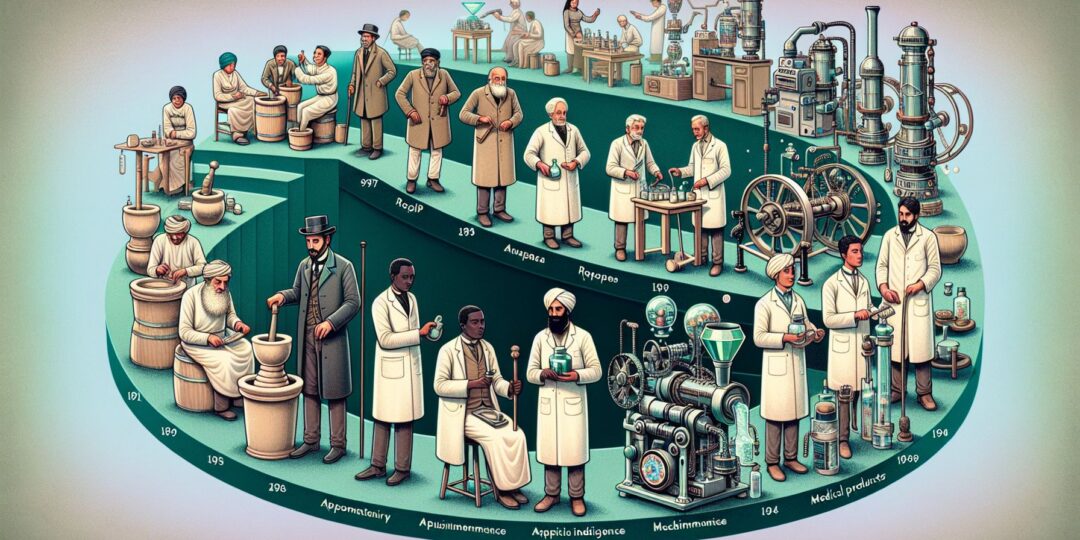
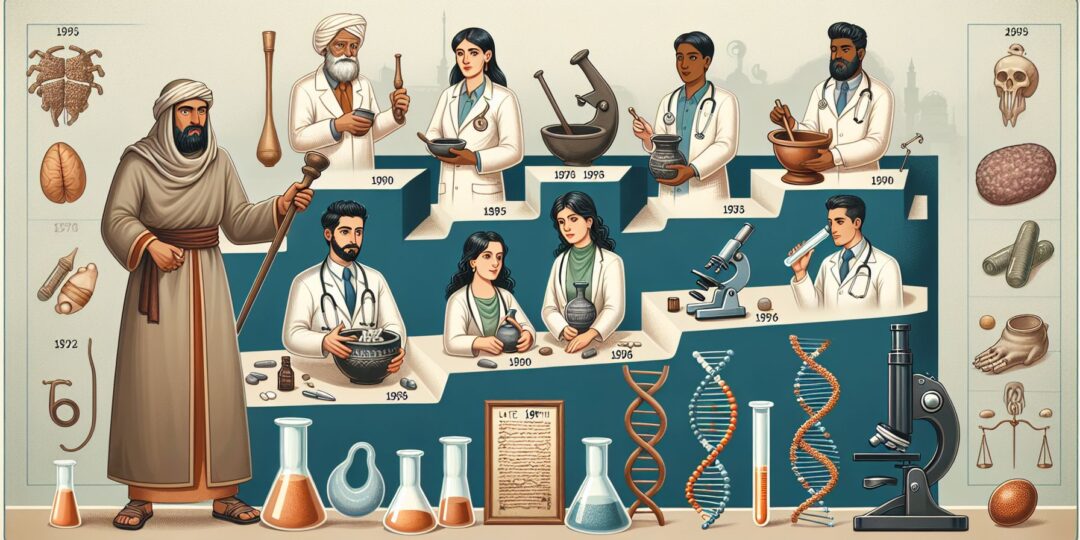
The Evolution of Medical Products and Industry

The field of medicine has witnessed significant advancements over the years, thanks to the innovative medical products and technologies that have been developed. These products have not only revolutionized healthcare but have also greatly improved the quality of life for millions of people worldwide.

The medical products industry encompasses a wide range of products, including pharmaceuticals, medical devices, equipment, and supplies. These products play a crucial role in the diagnosis, treatment, and prevention of various diseases and medical conditions. From life-saving medications to cutting-edge surgical tools, medical products are at the forefront of modern healthcare.

One of the key drivers of innovation in the medical products industry is research and development. Companies invest heavily in R&D to create new and improved products that can address unmet medical needs and improve patient outcomes. This continuous cycle of innovation has led to the development of groundbreaking products such as biologics, precision medicine, and personalized healthcare solutions.

In recent years, there has been a growing focus on digital health technologies, which are revolutionizing the way healthcare is delivered. From telemedicine platforms to wearable devices that monitor vital signs, digital health products are empowering patients to take control of their health and well-being. These technologies are also enabling healthcare providers to deliver more personalized and efficient care to their patients.

Despite the numerous benefits of medical products, the industry also faces challenges. Regulatory hurdles, pricing pressures, and intellectual property issues are just some of the obstacles that companies must navigate. Additionally, the increasing demand for healthcare services, coupled with rising healthcare costs, is putting pressure on the industry to develop more cost-effective solutions.

Looking ahead, the future of the medical products industry looks promising. Advances in areas such as artificial intelligence, genomics, and regenerative medicine are opening up new possibilities for the development of innovative products that can improve patient outcomes and reduce healthcare costs. Collaboration between industry stakeholders, including healthcare providers, regulators, and patients, will be crucial in driving this innovation forward.

In conclusion, the medical products industry plays a critical role in the advancement of healthcare and the improvement of patient outcomes. Through ongoing innovation and collaboration, the industry is well-positioned to address the evolving healthcare needs of society and continue to make a meaningful impact on the lives of patients. As we look to the future, the possibilities for further advancements in medical products and technologies are endless, promising a brighter and healthier future for all.…

Continue reading

Advancements in Medical Products and Industry

The medical industry is constantly evolving, with new technologies and products being developed to improve patient care and outcomes. From new pharmaceuticals to advanced medical devices, the industry is always pushing the boundaries of what is possible in healthcare.

One of the most exciting developments in recent years has been the rise of personalized medicine. This approach takes into account a patient’s unique genetic makeup, lifestyle, and environment to tailor treatment plans specifically to their needs. By using cutting-edge technologies such as genomics and data analytics, healthcare providers can now offer more precise and effective treatments, leading to better patient outcomes.

In addition to personalized medicine, there have been significant advancements in medical devices and technologies. From robotic surgery systems to wearable health monitoring devices, these innovations are revolutionizing the way healthcare is delivered. For example, the da Vinci Surgical System allows for more precise and less invasive surgeries, leading to faster recovery times and reduced risk of complications. Similarly, wearable devices such as fitness trackers and smartwatches can help patients monitor their health in real-time, providing valuable data to both patients and healthcare providers.

The pharmaceutical industry has also seen significant advancements in recent years, with the development of new drugs and therapies to treat a wide range of conditions. From targeted cancer therapies to gene editing technologies, these breakthroughs are revolutionizing the way we treat diseases. For example, immunotherapy has emerged as a promising new treatment option for certain types of cancer, harnessing the power of the immune system to fight the disease.

As the medical industry continues to evolve, it is important for healthcare providers, researchers, and policymakers to stay informed about the latest developments and trends. Collaboration between industry stakeholders is crucial to driving innovation and improving patient care. By investing in research and development, fostering partnerships, and promoting a culture of innovation, we can continue to push the boundaries of what is possible in healthcare.

In conclusion, the advancements in medical products and industry are changing the way we approach healthcare. From personalized medicine to advanced medical devices and innovative therapies, these developments are revolutionizing patient care and outcomes. By staying informed and working together, we can continue to drive innovation and improve healthcare for all.…

Continue reading

Revolutionizing Healthcare: The Impact of Medical Products and Industry

The field of healthcare is constantly evolving, thanks in large part to advancements in medical products and technologies. These innovations have revolutionized the way we diagnose, treat, and prevent diseases, ultimately improving patient outcomes and quality of life. In this article, we will explore the significance of medical products on the healthcare industry and how they continue to shape the future of medicine.

The Role of Medical Products in Healthcare

Medical products encompass a wide range of tools, devices, and medications used in the diagnosis, treatment, and monitoring of various health conditions. From simple bandages and thermometers to complex surgical instruments and advanced imaging systems, these products play a crucial role in the delivery of healthcare services. Medical products are not only essential for patient care but also contribute to the overall efficiency and effectiveness of healthcare systems worldwide.

Advancements in Medical Technology

Recent advancements in medical technology have further transformed the healthcare landscape, enabling healthcare professionals to provide more precise and personalized care to their patients. For example, the development of minimally invasive surgical techniques and robotic-assisted procedures have led to shorter recovery times and improved outcomes for patients undergoing surgery. Similarly, the use of wearable devices and telemedicine platforms has allowed for remote monitoring and management of chronic conditions, enhancing patient engagement and adherence to treatment plans.

Impact on Healthcare Industry

The medical products industry plays a significant role in driving innovation and economic growth within the healthcare sector. By investing in research and development, manufacturers of medical products are constantly pushing the boundaries of what is possible in healthcare, leading to the creation of new treatment modalities, diagnostic tools, and therapeutic interventions. Moreover, the global reach of the medical products industry ensures that people around the world have access to life-saving and life-enhancing technologies, regardless of their socioeconomic status.

Looking Towards the Future

As we look towards the future, the impact of medical products on healthcare will only continue to grow. With advancements in technologies such as artificial intelligence, genomics, and regenerative medicine, we can expect to see even more innovative solutions for preventing and treating diseases. Additionally, the increasing focus on personalized medicine and patient-centered care will drive the development of products that are tailored to individual needs and preferences, further improving healthcare outcomes for all.

In conclusion, medical products and industry are pivotal in shaping the future of healthcare. With continued investment in research and development, we can expect to see even more groundbreaking advancements that will transform the way we deliver and receive healthcare services. By embracing these innovations, we can create a healthier and more sustainable future for generations to come.…

Continue reading

Revolutionizing Healthcare: The Role of Medical Products and Industry

The medical products and industry play a crucial role in revolutionizing healthcare and improving patients’ lives. From advanced medical devices to innovative pharmaceuticals, these products are constantly evolving to provide better treatment options and outcomes for patients worldwide.

One of the key areas where medical products make a significant impact is in the diagnosis and treatment of various medical conditions. Diagnostic tools such as MRI machines, blood tests, and genetic testing kits have revolutionized the way diseases are detected and managed. These products allow healthcare professionals to identify issues early, leading to better treatment outcomes and improved patient outcomes.

In addition to diagnostics, medical products also play a vital role in the treatment of various medical conditions. From life-saving medications to surgical instruments, these products are essential for managing and curing diseases. For example, chemotherapy drugs are used to treat cancer patients, while pacemakers help regulate heart rhythms in individuals with cardiac issues. Without these medical products, many patients would not have access to the care they need to survive and thrive.

Furthermore, the medical products industry is constantly innovating to develop new and improved products to address the evolving healthcare needs of patients. With advancements in technology, such as artificial intelligence and precision medicine, medical products are becoming more personalized and effective than ever before. This innovation has the potential to revolutionize healthcare by providing tailored treatment options for individual patients based on their unique genetic makeup and medical history.

Despite the many benefits of medical products, the industry also faces challenges such as regulatory hurdles, cost concerns, and competition. Regulatory bodies such as the FDA play a crucial role in ensuring the safety and efficacy of medical products, but the approval process can be lengthy and costly for manufacturers. Additionally, the high cost of some medical products can limit access for patients who may benefit from them, leading to disparities in healthcare.

In conclusion, medical products and industry play a vital role in revolutionizing healthcare and improving patient outcomes. From diagnostics to treatment, these products are essential for managing and curing diseases, as well as enhancing the quality of life for patients worldwide. While the industry faces challenges, ongoing innovation and collaboration among key stakeholders can help overcome these barriers and ensure that patients have access to the life-saving products they need.…

Continue reading

The World of Medical Products and Industry

The medical products industry is a vast and ever-growing sector that plays a crucial role in the healthcare field. From pharmaceuticals to medical devices, this industry encompasses a wide range of products that help diagnose, treat, and prevent diseases. In this blog post, we will explore the importance of medical products and the key players in this industry.

The medical products industry is constantly evolving, with new innovations and breakthroughs being made every day. These products are designed to improve patient outcomes, enhance quality of care, and ultimately save lives. Whether it’s a new drug that treats a rare disease or a cutting-edge medical device that makes surgery less invasive, these products are essential for the advancement of healthcare.

One of the key players in the medical products industry is the pharmaceutical sector. Pharmaceutical companies develop, manufacture, and distribute medications that are used to treat a wide range of conditions. These companies invest heavily in research and development to discover new drugs and improve existing ones. The pharmaceutical industry is highly regulated to ensure the safety and efficacy of these medications, and companies must adhere to strict guidelines set by regulatory agencies.

Another important player in the medical products industry is the medical device sector. Medical devices include everything from simple instruments like stethoscopes to complex technologies such as pacemakers and imaging equipment. These devices are essential for diagnosing and treating patients, and they are constantly being improved to make healthcare more efficient and effective. Like pharmaceuticals, medical devices are subject to strict regulations to ensure their safety and effectiveness.

In addition to pharmaceuticals and medical devices, the medical products industry also includes other types of products such as diagnostic tests, surgical instruments, and healthcare supplies. These products are essential for healthcare providers to deliver high-quality care to their patients. Without these products, the healthcare system would not be able to function effectively, and patients would not receive the care they need.

In conclusion, the medical products industry is a critical part of the healthcare field that plays a vital role in improving patient outcomes and enhancing quality of care. From pharmaceuticals to medical devices, these products are essential for diagnosing, treating, and preventing diseases. The players in this industry work tirelessly to innovate and develop new products that advance healthcare and ultimately save lives. As technology continues to advance, we can expect to see even more exciting developments in the world of medical products in the years to come.…

Continue reading

The Importance of Medical Products and Industry

The medical products industry plays a crucial role in the healthcare sector by providing essential tools, devices, and equipment that aid in diagnosis, treatment, and healing of various medical conditions. From simple bandages to advanced surgical instruments, medical products are indispensable in ensuring the well-being of patients and improving the effectiveness of healthcare services.

One of the key aspects of the medical products industry is innovation. Manufacturers are constantly developing new and improved products to meet the ever-evolving needs of healthcare professionals and patients. Whether it’s the development of cutting-edge medical devices or the creation of more efficient medical supplies, innovation drives progress in the medical products industry, leading to better patient outcomes and enhanced healthcare practices.

Another important aspect of the medical products industry is quality control. With the health and safety of patients at stake, ensuring the quality and efficacy of medical products is of utmost importance. Manufacturers adhere to strict regulations and standards to guarantee that their products meet the highest quality requirements and do not compromise patient safety.

The medical products industry also plays a significant role in supporting healthcare professionals in delivering high-quality care. Medical products such as diagnostic tools, surgical instruments, and medical supplies enable healthcare professionals to effectively diagnose and treat medical conditions, improving patient outcomes and enhancing the overall quality of care.

Furthermore, the medical products industry contributes to the economy by creating jobs and driving economic growth. The industry employs a diverse workforce ranging from scientists and engineers to sales and marketing professionals, contributing to job creation and economic development. Additionally, the demand for medical products continues to grow as the healthcare sector expands, creating new opportunities for innovation and growth within the industry.

In conclusion, the medical products industry plays a crucial role in the healthcare sector by providing essential tools, devices, and equipment that support healthcare professionals in delivering high-quality care. Through innovation, quality control, and economic contribution, the industry continues to drive progress in healthcare and improve patient outcomes. As the healthcare sector continues to evolve, the importance of the medical products industry will only continue to grow, creating new opportunities for innovation and advancement in healthcare.…

Continue reading

The Growing Importance of Medical Products and Industry

With the increasing demand for healthcare services, the medical products industry plays a crucial role in providing essential supplies for hospitals, clinics, and healthcare professionals. From pharmaceuticals and medical devices to personal protective equipment (PPE) and diagnostic tools, the sector encompasses a wide range of products that are essential in diagnosing, preventing, and treating various health conditions.

One of the key drivers of growth in the medical products industry is the aging population. As people live longer, the prevalence of chronic diseases such as diabetes, heart disease, and cancer is on the rise. This has led to a higher demand for medical products that can help manage these conditions and improve the quality of life for patients. In addition, advancements in technology have also contributed to the development of innovative medical devices and treatments that are more effective and efficient than ever before.

Pharmaceuticals are a major component of the medical products industry, accounting for a significant portion of healthcare spending worldwide. These drugs play a crucial role in treating a wide range of ailments, from common infections to rare genetic disorders. The development of new drugs requires significant research and development efforts, as well as stringent regulatory oversight to ensure safety and efficacy. The pharmaceutical industry is highly competitive, with companies constantly striving to bring new and improved treatments to market.

Medical devices are another important category of medical products, encompassing everything from surgical instruments and diagnostic equipment to prosthetics and implants. These devices are essential in diagnosing and treating a wide range of medical conditions, from broken bones to heart disease. The medical device industry is highly regulated, with strict standards for safety and effectiveness to protect patients and healthcare professionals.

Personal protective equipment, or PPE, has become increasingly important in light of the COVID-19 pandemic. Healthcare workers rely on PPE such as masks, gloves, and gowns to protect themselves and their patients from infectious diseases. The demand for PPE has skyrocketed in recent years, leading to shortages and supply chain challenges for manufacturers.

In conclusion, the medical products industry plays a crucial role in supporting the healthcare system and improving patient outcomes. From pharmaceuticals and medical devices to PPE and diagnostic tools, these products are essential in diagnosing, preventing, and treating a wide range of health conditions. As the population ages and technology advances, the demand for medical products will continue to grow, driving innovation and investment in the sector.…

Continue reading