Category: General

The Evolution of Medical Products and the Pharmaceutical Industry

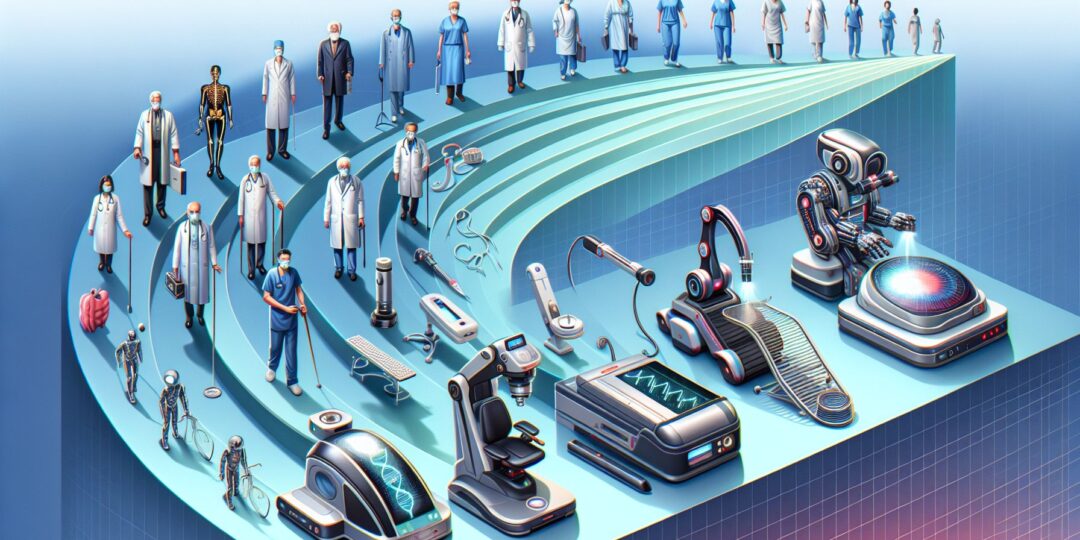
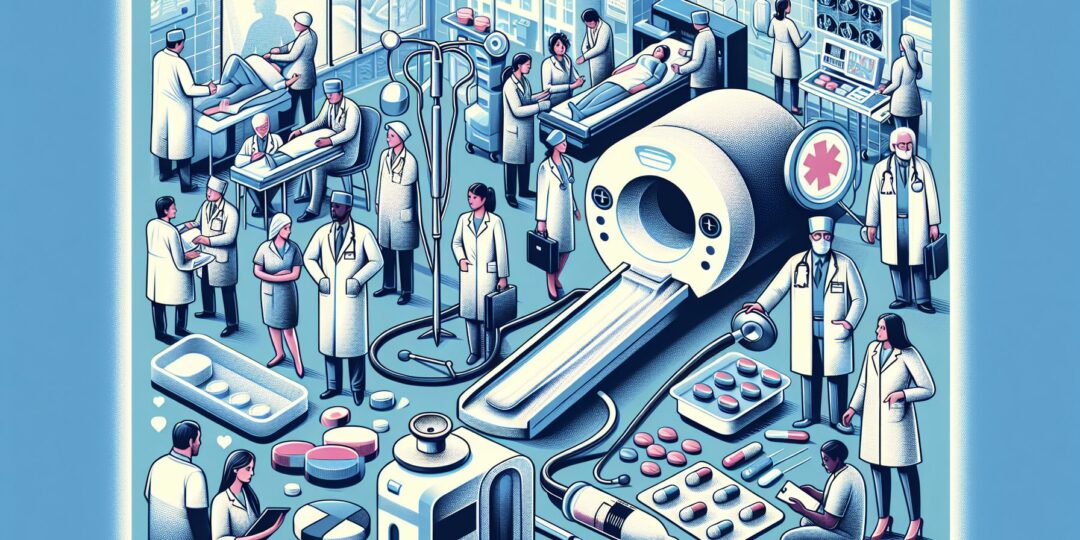
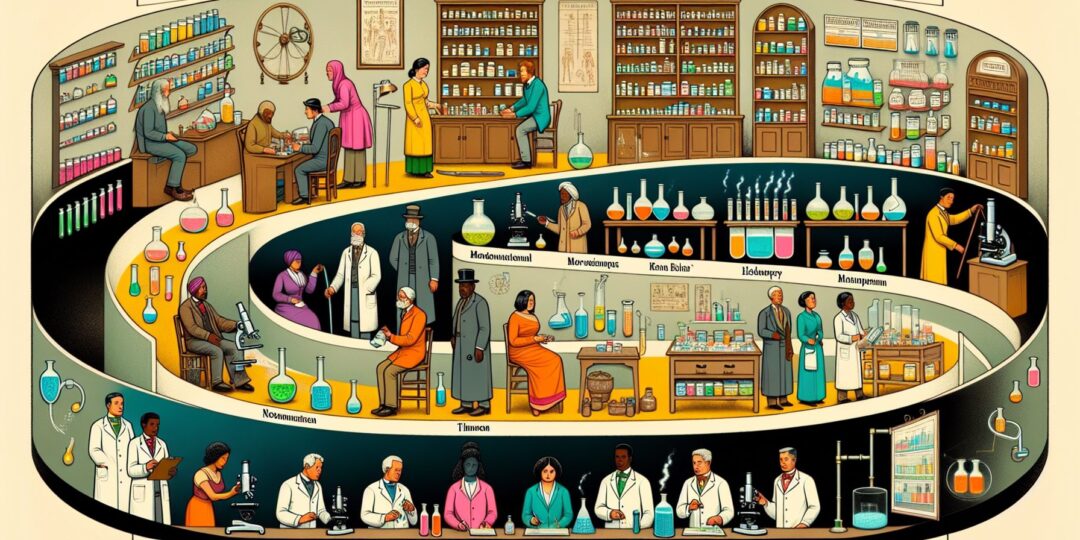
The field of medical products and the pharmaceutical industry has witnessed significant advancements over the years. From basic medications and equipment to cutting-edge technology and personalized treatments, the journey of healthcare products has been remarkable.

In the past, medical products were limited to basic medications and simple equipment like bandages and stethoscopes. However, with the advent of technology, the industry has evolved to offer a wide range of products that cater to various healthcare needs. This evolution has not only improved patient outcomes but has also revolutionized the way healthcare professionals diagnose and treat illnesses.

One of the major advancements in the field of medical products is the development of personalized medicine. This approach tailors treatments to individual patients based on their genetic makeup, lifestyle, and environmental factors. By using advanced technologies like genomics, researchers can identify specific gene mutations that may make a person more susceptible to certain diseases. This allows doctors to prescribe personalized treatments that are more effective and have fewer side effects.

Another significant development in the pharmaceutical industry is the rise of biologics. These are medications made from living organisms and are designed to target specific diseases at the molecular level. Biologics have revolutionized the treatment of chronic conditions like rheumatoid arthritis, cancer, and diabetes, offering patients more effective and targeted therapies.

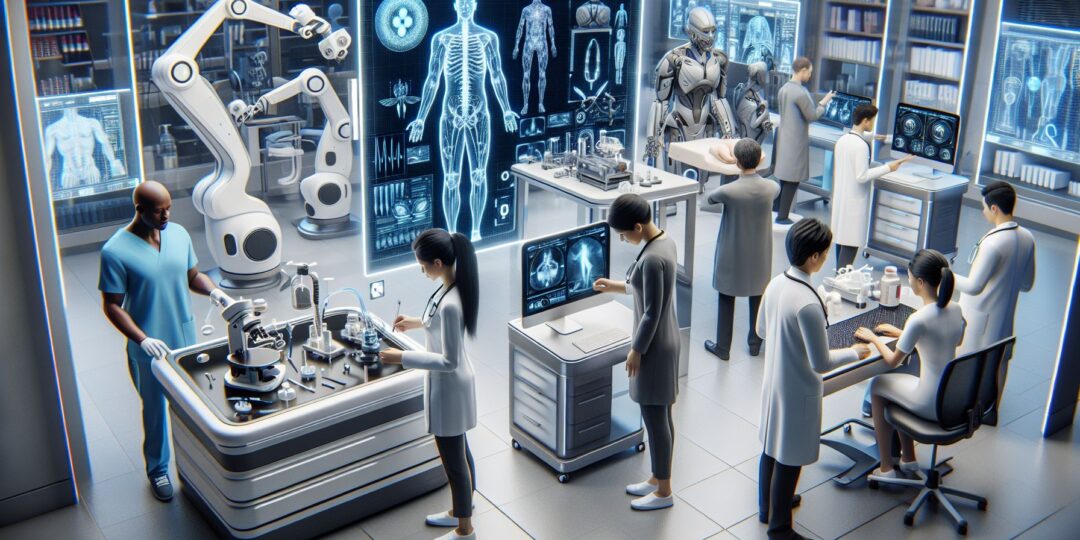
Moreover, medical products have also seen advancements in the field of medical devices. From wearable technology that monitors vital signs in real-time to robotic surgery systems that offer greater precision and control, these innovations have transformed the way healthcare professionals provide care to patients. These devices not only improve patient outcomes but also enhance the overall efficiency of healthcare delivery.

As the pharmaceutical industry continues to evolve, regulatory bodies play a crucial role in ensuring the safety and efficacy of medical products. Strict guidelines and regulations are in place to govern the development, testing, and marketing of healthcare products, ensuring that patients receive high-quality and reliable treatments.

In conclusion, the evolution of medical products and the pharmaceutical industry has transformed the way we approach healthcare. With advancements in personalized medicine, biologics, and medical devices, patients now have access to more targeted and effective treatments. As technology continues to advance, we can expect further innovations that will enhance patient care and improve overall health outcomes.…

Continue reading
The Evolution of Medical Products and the Impact on the Health Industry

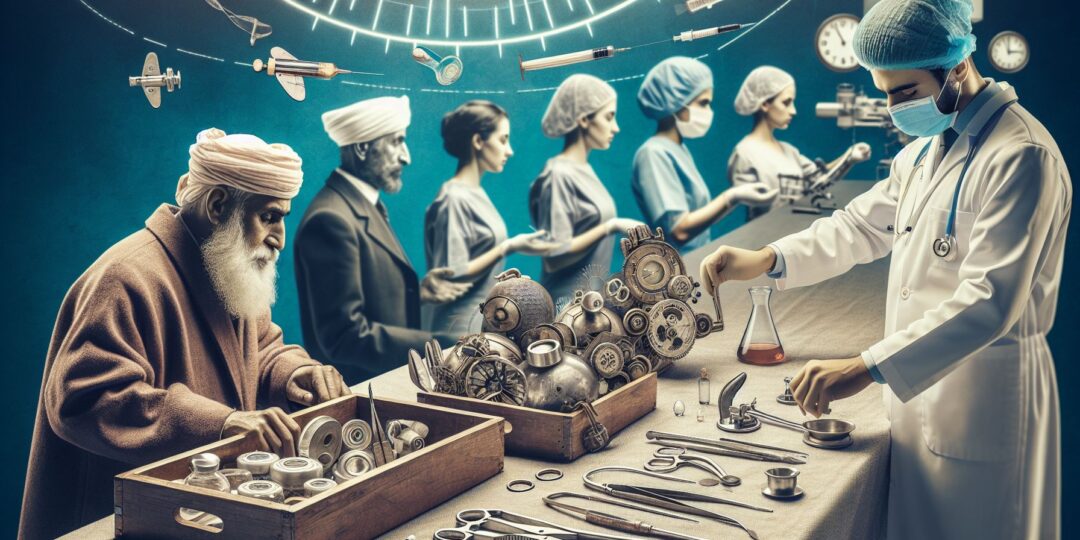
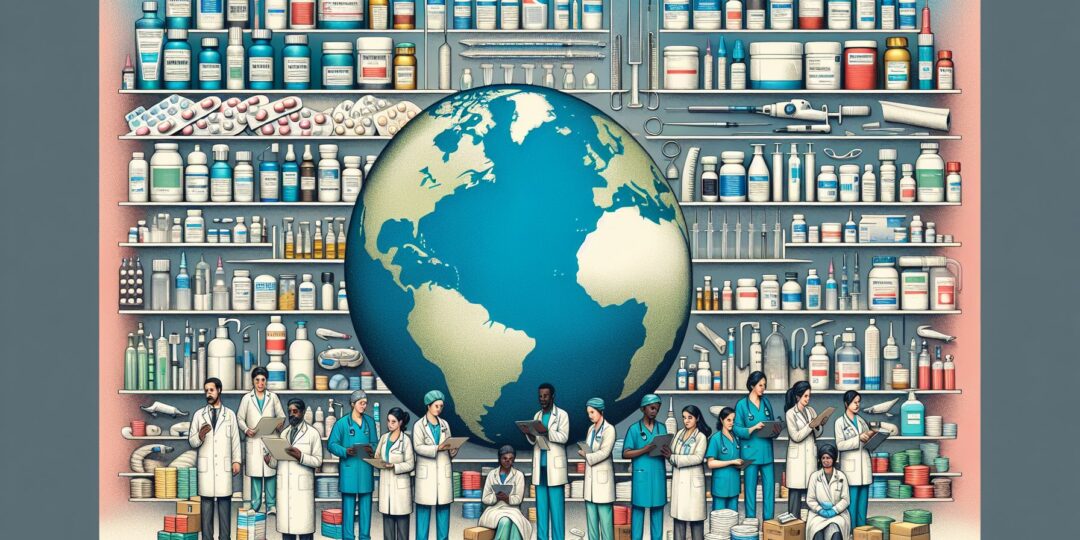
The medical products industry has seen tremendous advancements over the years, leading to significant improvements in patient care and outcomes. From innovative technologies to cutting-edge medications, these products have revolutionized the way healthcare is delivered and have had a profound impact on the health industry as a whole.

One of the key drivers behind the evolution of medical products is the continuous research and development efforts being made by pharmaceutical companies, medical device manufacturers, and biotechnology firms. These companies invest heavily in discovering new treatments, developing novel technologies, and conducting clinical trials to bring safe and effective products to market.

In recent years, we have seen a surge in personalized medicine, where treatments are tailored to individual patient needs based on their genetic makeup, lifestyle factors, and disease characteristics. This precision medicine approach has led to more targeted therapies, improved patient outcomes, and reduced side effects compared to traditional one-size-fits-all treatments.

Advancements in medical imaging have also played a crucial role in the development of new medical products. High-resolution imaging techniques such as MRI, CT scans, and ultrasound have enabled healthcare providers to better diagnose and treat various conditions, leading to more accurate and effective interventions.

Furthermore, the rise of digital health technologies has transformed the way healthcare is delivered, with the development of telemedicine platforms, wearable devices, and health monitoring apps. These technologies have enabled patients to access care remotely, monitor their health in real-time, and actively participate in managing their conditions.

The impact of medical products on the health industry has been profound, with improvements in patient outcomes, reduced healthcare costs, and enhanced quality of care. These products have not only revolutionized treatment options but have also contributed to the prevention and early detection of diseases, leading to better population health overall.

Despite the many advancements in medical products, challenges remain in ensuring access to these technologies for all patients. Issues such as cost, insurance coverage, and regulatory barriers can hinder the adoption of new treatments and technologies, limiting their potential impact on patient care.

In conclusion, the evolution of medical products has transformed the health industry, leading to improved patient outcomes, better disease management, and enhanced quality of care. As technology continues to advance and new discoveries are made, we can expect to see even more groundbreaking innovations that will shape the future of healthcare.…

Continue reading

The Importance of Medical Products and the Industry

The medical products industry plays a crucial role in delivering life-saving and life-enhancing products to patients all over the world. From pharmaceuticals to medical devices, these products are essential for diagnosing, treating, and preventing a wide range of diseases and conditions.

One of the key aspects of the medical products industry is innovation. Companies are constantly striving to develop new and improved products that can better serve patients and healthcare providers. This innovation has led to significant advancements in areas such as personalized medicine, precision therapeutics, and novel drug delivery systems.

In addition to innovation, the medical products industry is also highly regulated to ensure the safety and efficacy of products. Regulatory bodies such as the Food and Drug Administration (FDA) in the United States and the European Medicines Agency (EMA) in Europe play a critical role in evaluating and approving medical products before they can be brought to market.

The medical products industry encompasses a wide range of stakeholders, including pharmaceutical companies, medical device manufacturers, biotechnology companies, contract research organizations, and healthcare providers. These stakeholders work together to develop, produce, and distribute medical products to patients around the world.

Despite the challenges and complexities of the medical products industry, it is an essential part of the global healthcare system. Without medical products, many patients would not have access to the treatments they need to survive and thrive.

In recent years, there has been a growing focus on the importance of medical products in public health emergencies, such as the COVID-19 pandemic. The development and distribution of vaccines, diagnostic tests, and therapeutic treatments have been critical in combating the spread of the virus and saving lives.

As the world continues to face new and emerging health threats, the medical products industry will play a key role in developing innovative solutions to address these challenges. Collaboration and partnerships between industry, government, and academia will be essential in driving forward progress and ensuring that patients have access to the best possible care.

In conclusion, the medical products industry is an essential part of the global healthcare system, providing crucial products that improve and save the lives of patients around the world. Through innovation, regulation, and collaboration, the industry will continue to make significant advancements and impact in the future.…

Continue reading

The Importance of Medical Products and Industry

Medical products are essential for the healthcare industry to function effectively and provide patients with the best possible care. From diagnostic tools to surgical instruments, medical products play a crucial role in improving the health and well-being of individuals around the world.

One of the key aspects of the medical products industry is innovation. Advancements in technology and research have led to the development of new and improved medical products that can help diagnose and treat a wide range of conditions. For example, the introduction of medical imaging devices such as MRI machines and CT scanners has revolutionized the way healthcare professionals are able to diagnose and monitor diseases.

In addition to diagnostic tools, medical products also include a wide range of treatment options. From medications and vaccines to surgical implants and prosthetics, these products are designed to help patients recover from illness or injury and improve their quality of life. For example, the development of new cancer treatments has significantly improved survival rates for patients with various types of cancer.

However, the medical products industry is not without its challenges. The regulatory environment can be complex and stringent, requiring manufacturers to meet strict safety and quality standards before their products can be approved for use. Additionally, the industry must also contend with issues such as counterfeit products and supply chain disruptions that can impact the availability and effectiveness of medical products.

Despite these challenges, the medical products industry continues to grow and evolve as new technologies and treatments are developed. As the global population continues to age and the prevalence of chronic diseases increases, the demand for medical products is only expected to rise in the coming years.

In conclusion, medical products are a vital component of the healthcare industry and play a critical role in improving patient outcomes and quality of life. From diagnostic tools to treatment options, these products help healthcare professionals provide the best possible care to their patients. As the industry continues to innovate and evolve, we can expect to see even more advancements in medical products that will further improve the health and well-being of individuals around the world.…

Continue reading

Revolutionizing Healthcare: The Evolving World of Medical Products

The medical industry is constantly evolving, with new breakthroughs and advancements being made every day. One of the key areas that has seen significant growth in recent years is medical products. From advanced surgical equipment to cutting-edge diagnostic tools, medical products are playing an increasingly important role in improving patient outcomes and streamlining healthcare systems.

One of the most exciting developments in the medical products industry is the rise of personalized medicine. This approach involves tailoring treatments to the specific genetic makeup of individual patients, allowing for more targeted and effective interventions. This has led to the development of a wide range of new products, such as genetic testing kits and personalized medication regimens, that are revolutionizing the way we approach healthcare.

Another area that has seen rapid growth is the field of medical devices. Advances in technology have led to the development of devices that are smaller, more precise, and more effective than ever before. From robotic surgical systems to wearable health monitors, these devices are making it easier for healthcare providers to diagnose and treat a wide range of conditions.

In addition to these innovations, the medical products industry is also being driven by a growing demand for sustainable and environmentally-friendly products. This has led to the development of new materials and manufacturing processes that reduce waste and pollution, as well as the creation of products that are designed to be reused or recycled. This focus on sustainability is not only good for the environment but also for the bottom line, as companies that prioritize sustainability are often able to reduce costs and improve efficiency.

Overall, the medical products industry is a vibrant and dynamic field that is constantly pushing the boundaries of what is possible in healthcare. With new products and technologies being developed all the time, the future of healthcare looks brighter than ever before. By investing in research and development, fostering innovation, and prioritizing sustainability, we can continue to advance the field of medical products and improve the lives of patients around the world.

In conclusion, the medical products industry is a key driver of innovation in healthcare, with advances in personalized medicine, medical devices, and sustainability shaping the future of the industry. By staying at the forefront of these developments, we can ensure that patients receive the best possible care and that healthcare providers have the tools they need to deliver it. The future of healthcare is bright, thanks to the groundbreaking work being done in the field of medical products.…

Continue reading

Revolutionizing Healthcare: The Medical Products Industry

The medical products industry plays a crucial role in revolutionizing healthcare around the world. From innovative medical devices to life-saving pharmaceuticals, these products are essential in providing quality care to patients. In recent years, advancements in technology have led to the development of cutting-edge products that have transformed the way healthcare is delivered.

One of the key areas of focus in the medical products industry is the development of medical devices. These devices range from simple tools like thermometers and stethoscopes to complex equipment such as MRI machines and robotic surgical systems. Medical devices play a vital role in diagnosis, treatment, and monitoring of patients, and continue to evolve with advancements in technology.

Another major component of the medical products industry is pharmaceuticals. These products encompass a wide range of medications that are used to treat various medical conditions. From antibiotics to chemotherapy drugs, pharmaceuticals have significantly contributed to improving patient outcomes and quality of life. The development of new drugs and therapies continues to be a major focus within the industry, with research and innovation driving advancements in patient care.

In addition to medical devices and pharmaceuticals, the medical products industry also includes a wide range of products such as surgical instruments, diagnostic tests, and medical supplies. These products are essential in providing comprehensive care to patients and supporting healthcare professionals in their daily practice. The industry works closely with healthcare providers to ensure that products meet the highest quality standards and adhere to regulatory requirements.

The global medical products industry is continuously growing, with new players entering the market and established companies expanding their product offerings. As the healthcare landscape evolves, the demand for innovative medical products continues to rise, creating opportunities for companies to develop new solutions that address the changing needs of patients and healthcare providers.

In conclusion, the medical products industry plays a crucial role in revolutionizing healthcare by providing essential products that support diagnosis, treatment, and monitoring of patients. With advancements in technology and research driving innovation, the industry continues to develop cutting-edge products that improve patient outcomes and quality of care. As the industry continues to evolve, it will play an increasingly important role in shaping the future of healthcare around the world.…

Continue reading

The Importance of Medical Products and Industry

The medical industry is crucial in providing the necessary products and services to ensure the well-being and health of individuals. From pharmaceuticals to medical devices, the sector plays a vital role in diagnosing, treating, and preventing illnesses and diseases.

One of the key aspects of the medical industry is the production and distribution of medical products. These products range from medications to medical equipment such as diagnostic tools, surgical instruments, and prosthetics. Without these products, medical professionals would not be able to provide the necessary care to patients.

Medical products undergo rigorous testing and evaluation processes before they are approved for use. This ensures that they are safe, effective, and of high quality. Regulatory bodies such as the Food and Drug Administration (FDA) in the United States and the European Medicines Agency (EMA) in Europe oversee the approval of medical products to safeguard public health.

In recent years, advancements in technology have revolutionized the medical industry, leading to the development of innovative medical products. For example, telemedicine allows for remote consultations with healthcare providers, while wearable devices can monitor vital signs and provide real-time health data to users. These advancements have improved patient care and outcomes, making healthcare more accessible and efficient.

The medical industry is also constantly evolving to meet the changing needs of the population. As new diseases emerge and existing ones evolve, the demand for new medical products and treatments increases. Research and development play a crucial role in this process, as scientists work to discover new drugs and therapies to combat diseases and improve patient outcomes.

In conclusion, the medical industry and its products are essential for maintaining the health and well-being of individuals. From medications to medical devices, these products play a vital role in diagnosing, treating, and preventing illnesses. Advancements in technology continue to drive innovation in the industry, leading to the development of new and improved medical products. As the industry continues to evolve, it is important to prioritize patient safety and ensure that medical products meet the highest standards of quality and effectiveness.…

Continue reading

The Importance of Medical Products and Industry

Medical products play a crucial role in the healthcare industry, providing healthcare professionals with the tools and equipment they need to diagnose, monitor, and treat patients. From syringes and bandages to MRI machines and surgical robots, medical products come in a wide range of forms and serve various purposes.

The medical products industry is a multi-billion dollar sector that encompasses manufacturers, distributors, and healthcare providers. It is a complex and highly regulated industry that is constantly evolving as new technologies and innovations emerge. The demand for medical products continues to grow as the global population ages and chronic diseases become more prevalent.

One of the key drivers of the medical products industry is the continuous advancements in technology. From wearable devices that monitor vital signs in real-time to artificial intelligence algorithms that assist in diagnosing diseases, technology has revolutionized the way healthcare is delivered. Medical products are becoming more sophisticated and personalized, allowing for more precise and effective treatments.

Another important factor in the medical products industry is the increasing focus on patient safety and outcomes. Regulatory bodies such as the FDA and the European Medicines Agency have stringent requirements for the approval and monitoring of medical products to ensure they are safe and effective for use. Healthcare providers are also under pressure to deliver high-quality care and achieve positive patient outcomes, driving the demand for innovative medical products.

Despite the many benefits of medical products, the industry also faces challenges such as high costs, supply chain disruptions, and counterfeit products. The high costs of certain medical products can limit access to healthcare for some patients, while supply chain disruptions can lead to shortages of essential items. Counterfeit medical products pose a significant risk to patient safety and can undermine the credibility of legitimate manufacturers.

In conclusion, medical products are essential for the delivery of quality healthcare and play a critical role in improving patient outcomes. The medical products industry is a dynamic and diverse sector that continues to innovate and evolve to meet the needs of patients and healthcare providers. By investing in research and development, adopting new technologies, and prioritizing patient safety, the medical products industry can continue to drive advancements in healthcare and improve the lives of people around the world.…

Continue reading

The Importance of Medical Products in the Healthcare Industry

Medical products play a crucial role in the healthcare industry by providing essential tools and equipment for diagnosing, treating, and managing various medical conditions. From surgical instruments and equipment to pharmaceuticals and medical devices, these products are essential for ensuring patients receive the best possible care.

One of the key aspects of medical products is their role in improving patient outcomes. By using advanced medical equipment and pharmaceuticals, healthcare professionals can more accurately diagnose and treat medical conditions, leading to better patient outcomes and improved quality of life. For example, advanced imaging equipment can help doctors identify diseases and conditions early, allowing for timely intervention and treatment.

In addition to improving patient outcomes, medical products also play a vital role in reducing healthcare costs. By investing in innovative medical technology and pharmaceuticals, healthcare providers can streamline processes and improve efficiency, ultimately leading to cost savings. For example, the use of telemedicine technologies can reduce the need for in-person doctor visits and hospital admissions, lowering overall healthcare costs for both patients and providers.

Furthermore, medical products are essential for advancing medical research and innovation. Through the development of new pharmaceuticals, medical devices, and diagnostic tools, researchers can make significant advancements in the understanding and treatment of various medical conditions. This innovation not only benefits patients by providing them with access to cutting-edge treatments but also drives economic growth and creates new opportunities within the healthcare industry.

However, the medical product industry is not without its challenges. From regulatory hurdles and stringent quality control requirements to the high cost of research and development, companies in this sector face numerous obstacles in bringing new products to market. Despite these challenges, the demand for innovative medical products continues to grow as the global population ages and the prevalence of chronic diseases increases.

In conclusion, medical products play a critical role in the healthcare industry by improving patient outcomes, reducing healthcare costs, and driving innovation. As technology continues to advance and new medical discoveries are made, the importance of medical products will only continue to grow. By investing in research and development and fostering collaboration between industry stakeholders, we can ensure that patients receive the best possible care and that the healthcare industry continues to thrive in the years to come.…

Continue reading

Revolutionizing Healthcare: The Role of Medical Products and Industry

The medical industry has witnessed incredible advancements over the years, with new medical products playing a vital role in the diagnosis, treatment, and management of various health conditions. From state-of-the-art medical devices to innovative pharmaceuticals, these products have revolutionized healthcare and improved the lives of millions of people around the world.

Medical products encompass a wide range of items, including diagnostic tools, surgical instruments, pharmaceuticals, and medical equipment. These products are designed to aid healthcare professionals in providing accurate diagnoses, effective treatments, and efficient care to patients. With the advent of cutting-edge technology, the medical industry has seen tremendous growth in the development of new and improved medical products that are helping to save lives and enhance patient outcomes.

Diagnostic tools such as MRI machines, CT scanners, and blood tests have revolutionized the way diseases are detected and diagnosed. These tools allow healthcare providers to identify health issues earlier, leading to more timely interventions and better outcomes for patients. Surgical instruments and medical equipment have also undergone significant advancements, enabling surgeons to perform intricate procedures with greater precision and reduced risk to patients.

Pharmaceuticals are another essential component of the medical industry, with new drugs being developed every day to treat a wide range of health conditions. From antibiotics to cancer treatments to vaccines, pharmaceuticals play a crucial role in managing diseases and improving quality of life for patients. The development of personalized medicine, which tailors treatments to an individual’s unique genetic makeup, is another exciting area of growth in the pharmaceutical industry.

The medical products industry is a dynamic and rapidly evolving sector that continues to push the boundaries of what is possible in healthcare. With the rise of digital health technologies, artificial intelligence, and telemedicine, the future of medical products looks promising. These innovations have the potential to revolutionize healthcare delivery, making it more accessible, affordable, and effective for patients around the world.

In conclusion, medical products have played a significant role in transforming healthcare and improving patient outcomes. From diagnostic tools to pharmaceuticals to medical equipment, these products have revolutionized the way diseases are diagnosed, treated, and managed. As technology continues to advance, the medical products industry will undoubtedly continue to innovate and expand, bringing new hope and possibilities to patients and healthcare providers alike.…

Continue reading