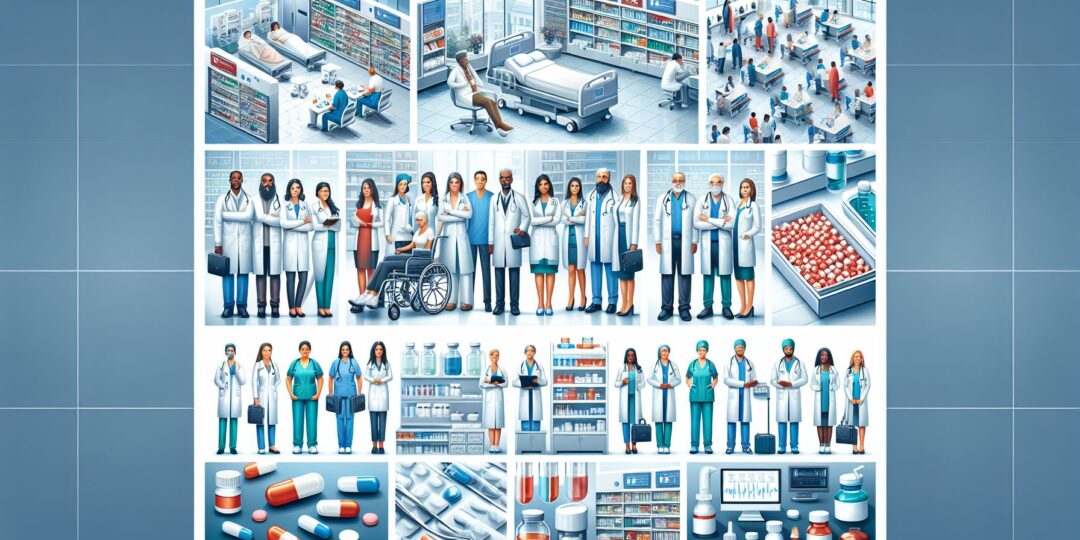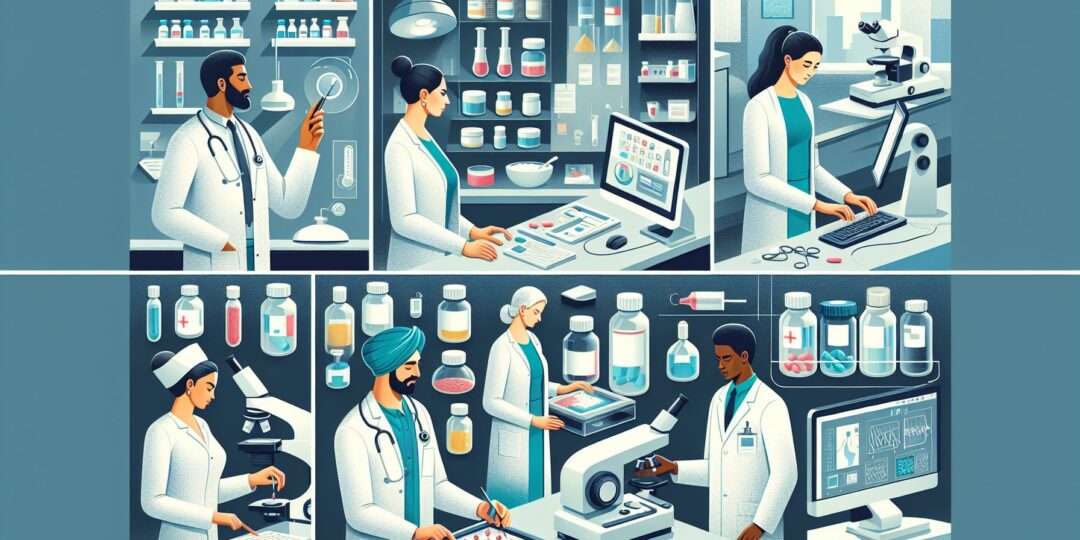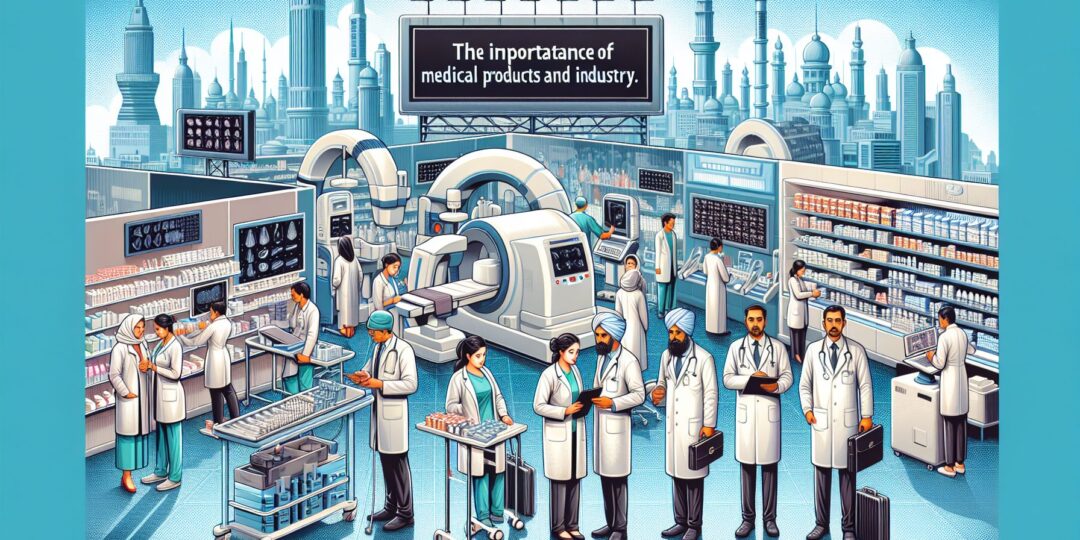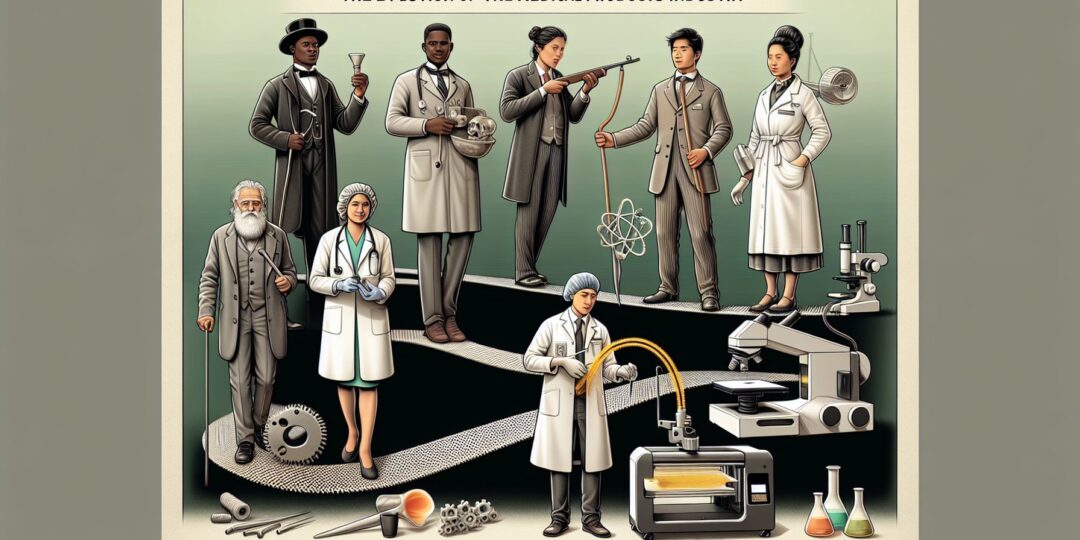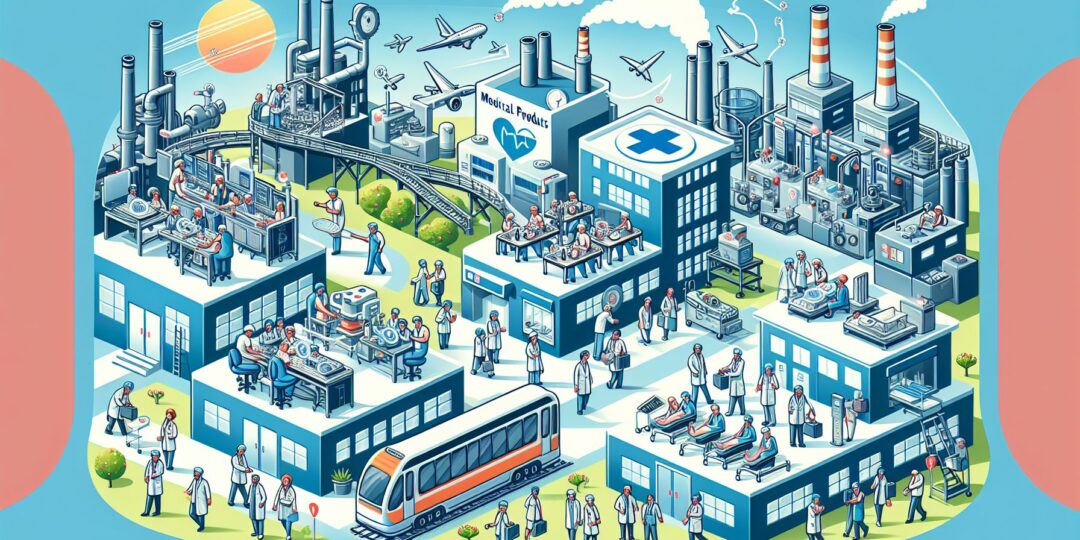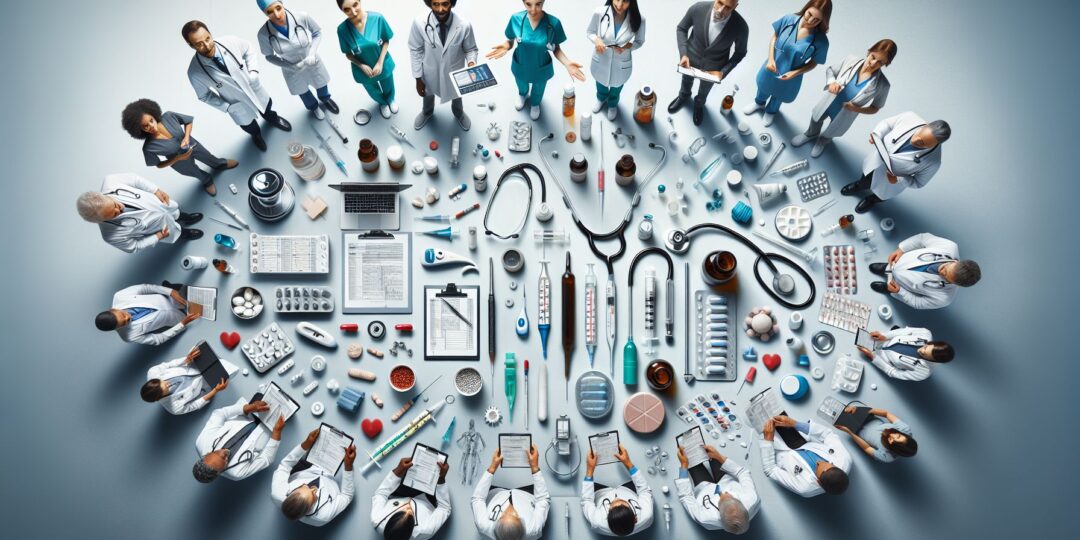
The healthcare industry relies heavily on medical products to improve patient care, enhance diagnostics, and support treatment protocols. From medical devices to pharmaceuticals, these products play a vital role in ensuring the well-being of patients and facilitating the work of healthcare professionals.
Medical Devices:
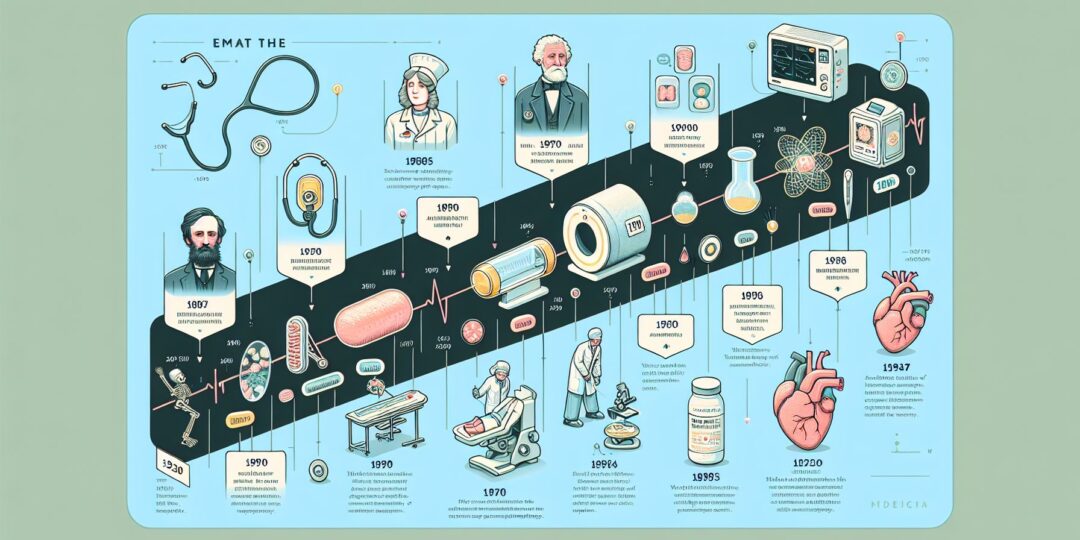
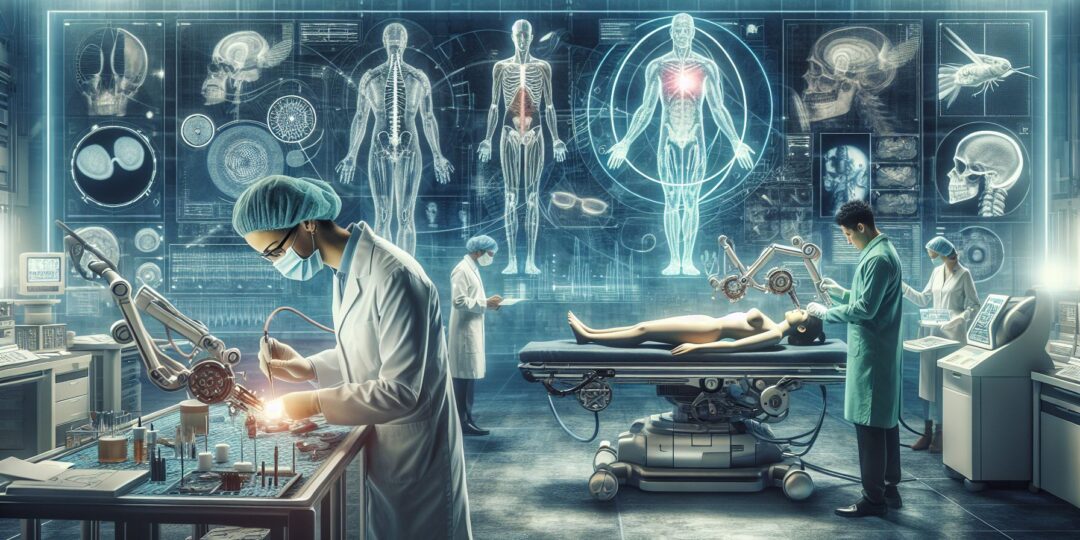
Medical devices are essential tools used in the diagnosis, treatment, and monitoring of various medical conditions. These devices range from simple items like thermometers and stethoscopes to complex machines such as MRI scanners and ventilators. The development of advanced medical devices has revolutionized healthcare, allowing for more accurate diagnoses, minimally invasive surgical procedures, and improved patient outcomes.
Pharmaceuticals:
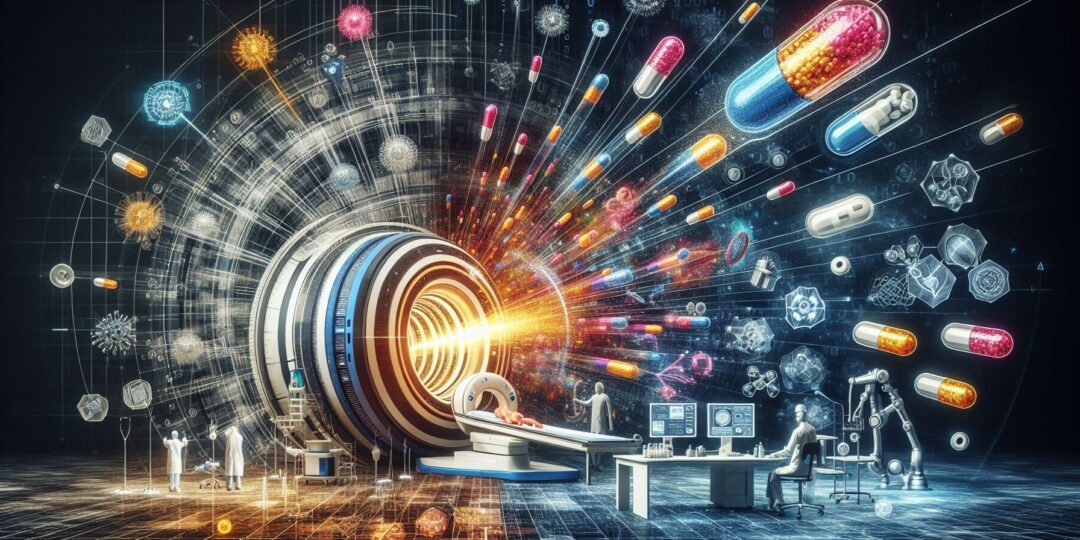
Pharmaceuticals are chemical substances used for treating, preventing, or managing diseases. These products include prescription medications, over-the-counter drugs, vaccines, and biologics. The pharmaceutical industry plays a crucial role in developing new treatments, conducting clinical trials, and ensuring drug safety. Without pharmaceuticals, many medical conditions would be difficult to manage, and patient outcomes would suffer.
Innovations in Medical Products:
The medical products industry is constantly evolving, with new innovations and technologies shaping the future of healthcare. Advances in medical devices, such as wearable sensors and telehealth platforms, are revolutionizing patient care delivery. Similarly, the development of personalized medicine and gene therapy is opening new possibilities for treating previously untreatable conditions. These innovations are reshaping the healthcare landscape and improving the quality of patient care.
Challenges in the Medical Products Industry:
Despite the many benefits of medical products, the industry faces several challenges. Regulatory hurdles, market competition, and pricing pressures can hinder innovation and access to life-saving products. Ensuring the safety and efficacy of medical products is also a constant concern, as adverse events and recalls can have serious consequences for patients and healthcare providers. Addressing these challenges requires collaboration between industry stakeholders, regulatory agencies, and healthcare professionals to ensure that patients receive the best possible care.
Conclusion:
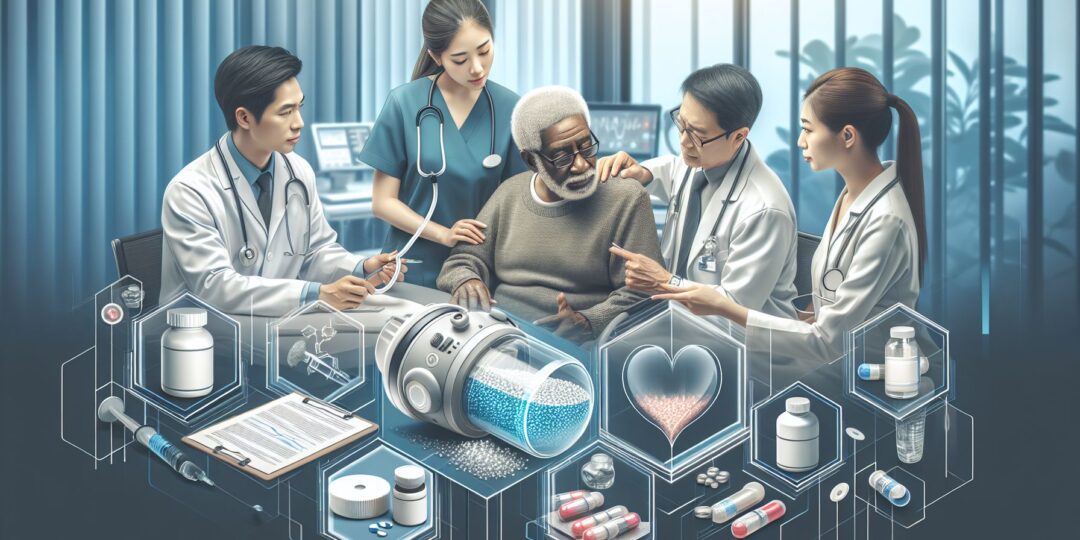
Medical products are essential components of the healthcare industry, driving innovation, improving patient care, and supporting medical advancements. From medical devices to pharmaceuticals, these products play a crucial role in diagnosing, treating, and managing medical conditions. As the industry continues to evolve, addressing challenges and embracing new technologies will be key to advancing patient care and improving outcomes. By investing in research, development, and quality assurance, the medical products industry can continue to make a positive impact on healthcare worldwide.…
Continue reading